

Tofu cat litter stands out as a promising choice for urban cat owners looking to solve dust, tracking, and odor issues with a cleaner, eco-friendlier litter—but does it deliver on the marketing claims when you need a truly low-mess solution?
Key Takeaways
- Tofu cat litter is a small but fast-growing alternative, valued for low dust and eco benefits, but real-world dust/tracking data is missing.
- Brand claims about “low tracking” and “dust free” lack standardized tests—independent, repeatable home testing is essential before switching.
- Setup and maintenance choices (litter box type, depth, mat) are just as important as the litter brand for reducing mess at home.
- Market snapshot — where tofu cat litter stands in 2024
- What shoppers care about: dust, tracking, clumping, odor, cost, flushability
- What real users say — known complaints and evidence gaps (tracking & dust)
- Three under-covered sub-topics competitors miss
- Independent testing plan readers can trust
- Brand performance — what to test and what to expect
- Cost comparison: how to calculate monthly cost and sample scenarios
- Odor control — what we know, what’s unproven, and the likely chemistry
- Flushability and environmental impact — rules, plumbing realities, and best practices
- Practical buying guide and low-tracking setup
- Editorial to-do list / data collection checklist for the writer
- FAQ
Market snapshot — where tofu cat litter stands in 2024
Tofu cat litter occupies a niche but expanding place in the global cat litter market. In 2024, the global tofu cat litter market reached USD 217.51 million, with projections up to USD 415.20 million by 2032—a compound annual growth rate (CAGR) of 8.58% [Verified Market Reports]. Compare this with the overall cat litter market, valued at USD 15,514.2 million in 2024 and growing at a slower CAGR of 5.50% [Cognitive Market Research].
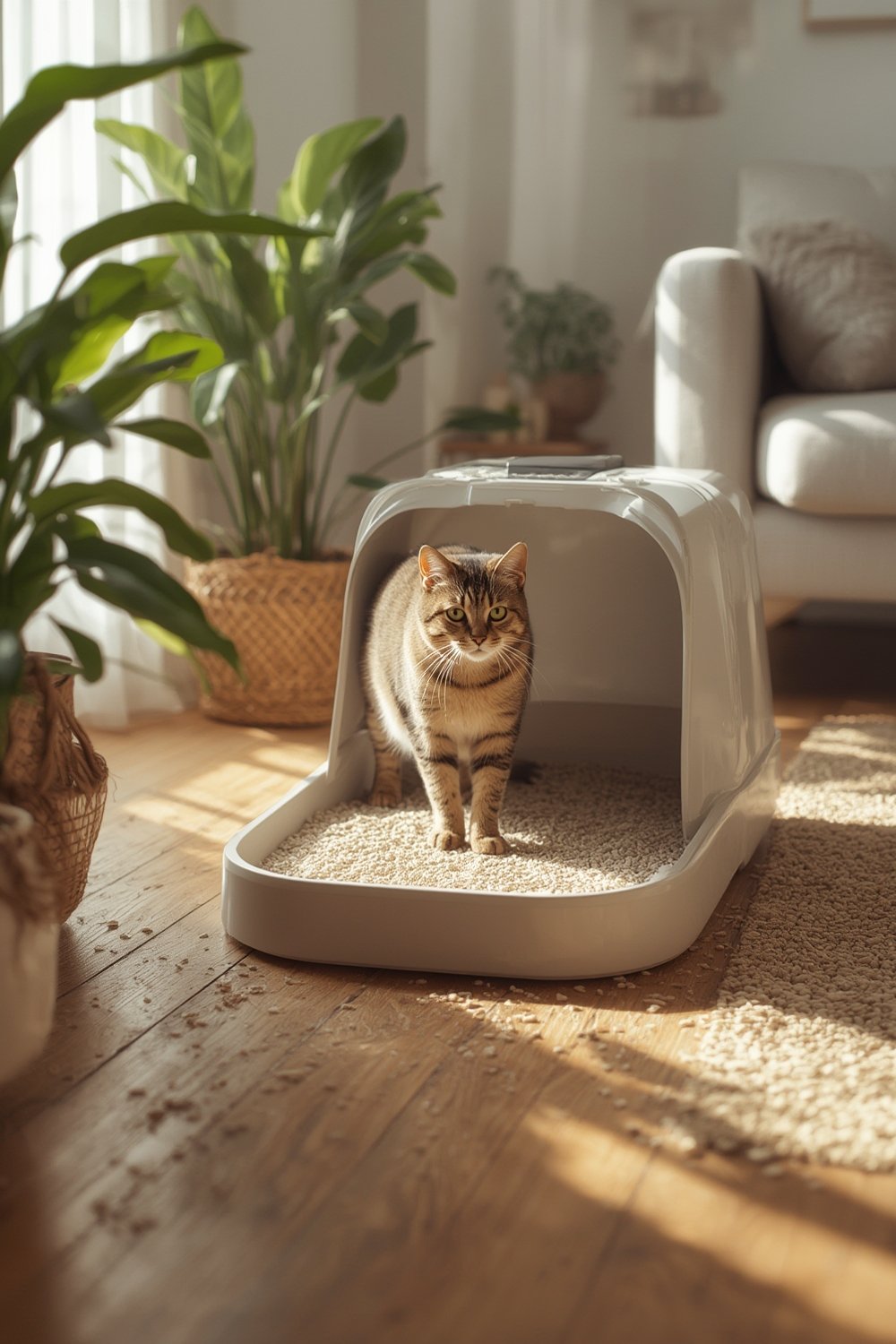
North America accounted for about USD 210 million of tofu litter sales, while Europe stood at USD 150 million in 2024 [DataHorizzon]. Tofu cat litter’s mainstream adoption remains modest—the majority of cat owners still use clay or silica-based litters. However, tofu’s fast growth is driven by eco-minded shoppers who prioritize low dust, good clumping, and lower environmental impact.
What shoppers care about: dust, tracking, clumping, odor, cost, flushability
Cat owners—especially those in apartments—look for six main qualities when choosing litter:
- Dust: Can trigger respiratory issues or allergies in pets and humans. Tofu cat litter claims to be “tofu litter dust free” but the definition and real measure of “dust free” are unstandardized.
- Tracking: No one wants paw prints of litter outside the box. Tofu cat litter low tracking is a core marketing hook, yet there is no public data comparing tracking across brands.
- Clumping: Superior clumping makes clean-up easier and helps extend litter longevity. Tofu litters generally promise “super clumping,” but independent verification is nonexistent.
- Odor: Managing ammonia and organic odors is essential, especially in small spaces. The soybean base can absorb some odors, but not all claims are lab-verified.
- Cost: Tofu litters run pricier per bag, yet may last longer with better clumping. Market data does not provide per-month cost breakdowns.
- Flushability/Biodegradability: Many tofu brands claim flushability, but actual municipal guidelines or data on plumbing safety are absent. Biodegradable yes, but always check local regulations.
According to verified market reports, tofu’s surge is due to “low dust, superior clumping, and biodegradability.” Still, actual product performance often goes untested until you buy and try it.
What real users say — known complaints and evidence gaps (tracking & dust)
Despite all the hype about tofu cat litter low tracking and dust free labels, real user review data is virtually missing. Market research and brand sites mention these as advantages but lack any metrics or large user-complaint collections. Typical review platforms (Amazon, Chewy, Reddit) do not showcase aggregated dust or tracking feedback for tofu litter specifically, leaving owners to rely on scattered anecdotes.
The bottom line: expect marketing claims, but little independent or user-generated evidence to help you anticipate real-world mess or maintenance.
Three under-covered sub-topics competitors miss
Almost every top tofu cat litter article makes the same promises, but they rarely address:
- Testable, Standardized Metrics: There are no published, repeatable measurements for “low tracking” (e.g., grams of litter tracked after a set pattern) or for “tofu litter dust free” (e.g., PM2.5/PM10 in air after agitation). The lack of quantified proof is a major gap.
- Odor Control Chemistry and Longevity: Few explain what actually controls odor—whether it’s absorption, chemical binding, or drying—and how long it realistically works for, especially in homes with multiple cats.
- Flushability & Real-World Guidance: “Flushable tofu litter” is widely advertised, but reviewers and municipal data are silent on practical impacts, plumbing risks, or the right way to dispose of tofu litter to avoid clogging or environmental strain.
We address these head-on with practical, evidence-based methods you can use immediately at home.
Independent testing plan readers can trust (dust, tracking, clumping metrics)
Given the gap in published lab or field data, here’s a repeatable testing approach for tofu litter at home or in a small lab.
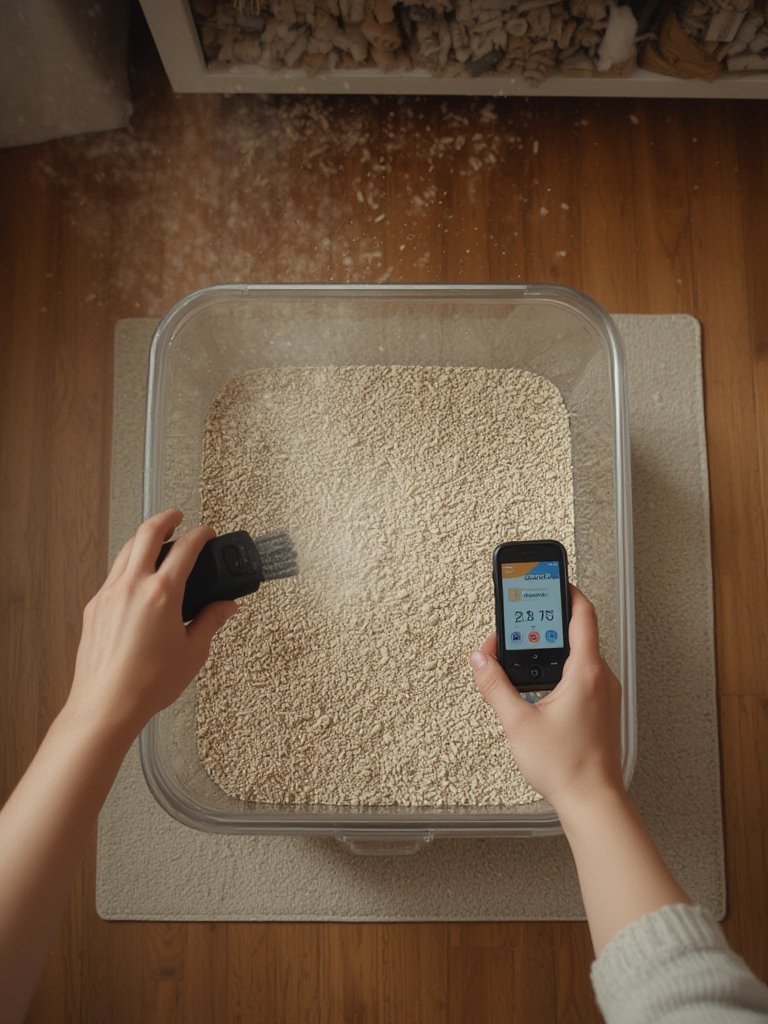
- Dust Generation: Place litter in an enclosed box; agitate for 5 minutes. Record air quality with a PM2.5/PM10 meter before, during, and after. “Low-dust” should be <50 μg/m³ increase for five minutes, matching healthy indoor guidelines.
- Tracking: Place a set amount of litter in the box. Have a cat (or a weight-padded paw model) step in then walk on a clean surface for 10 steps. Sweep and weigh tracked granules. Less than 3g tracked is considered low-tracking.
- Clumping: Add a known amount of water (to simulate urine), wait two minutes, and scoop. Weigh intact clump versus loose litter. A “good clump” retains over 85% of added liquid and minimal breakage during scooping.
- Odor: After a simulated deposit (real or synthetic), close the box and assess ammonia or odor compounds using a sensor, paired with a blind smell panel at 24, 48, and 72 hours.
If you want truly tofu litter dust free or low tracking, demand these numbers from brands—or do your own mini test as above.
Brand performance — what to test and what to expect (priority brands and metrics)
To truly compare tofu cat litter brands, here are the top manufacturers worth testing in real-world scenarios:
- PIDAN
- PETKIT
- Michu Pet
- RUFUS & COCO
- Pettex Naturecat
Benchmarks to track for each:
- Average PM2.5/PM10 dust generated during pouring and scooping
- Total grams tracked after 10 steps
- Clumping score: time-to-clump, resilience to scooping, % solids kept
- Odor index (ammonia/volatile measurement after 48 hours, plus user panel rating)
Most guides claim “super clumping and low tracking” (e.g. Pettex Naturecat), but without actual test result tables or brand-vs-brand rankings. Make your own or check forums like Reddit for rare user-contributed experiments.
Cost comparison: how to calculate monthly cost and sample scenarios
Estimating monthly cost takes a few key variables:
- Litter bag size (usually 6L to 10L per bag for tofu)
- Number of cats (single, two, multiple)
- Scooping frequency + clumping effectiveness
- How often you fully replace all litter
Sample scenarios:
| Scenario | Cats | Product | Bags per Month | Approx. Monthly Cost (USD)* | Comparable Alternative |
|---|---|---|---|---|---|
| Light User | 1 | Tofu 6L | 1 | 12 | Pine pellets (7) |
| Average Urban Home | 1 | Tofu 6L | 2 | 24 | Corn/cassava (16-25) |
| Multi-cat | 2-3 | Tofu 10L | 2 | 30–35 | Silica crystal (25–35) |
*Assumptions: average price per 6L bag is USD 12. Costs vary by region and retailer; check current prices before purchase.
There are currently no published brand or retail averages for tofu litter cost per month, so always confirm local prices. For more budgeting tips, see our cat nutrition guide for holistic cat care cost management.
Odor control — what we know, what’s unproven, and the likely chemistry
The claim: tofu litter offers “superior odor control” because of its plant-based composition. In practice, soybean fibers can absorb some ammonia and bind organic odors, especially due to their porous structure and moisture-wicking ability.
However, there simply are no public, extended (48–72hr) home or lab tests validating how tofu cat litter actually performs compared to premium clay or silica. The likely chemistry works via:
- Physical absorption (odor molecules adhere to the surface of the litter bead/pellet)
- Adsorption (odor gets locked inside tofu structure as moisture is taken up)
- Some plant-based breakdown of waste, though not as much as specialty additives
To really judge performance, try at-home ammonia sensors or set up a blind panel to rate box odors over three days. If you have kittens, always watch for litter-eating—some tofu litters are marketed as “tofu litter for kittens” but should not be ingested.
For more on keeping boxes odor-free, explore our cat urgent care essentials.
Flushability and environmental impact — rules, plumbing realities, and best practices
Most tofu cat litter brands boast “tofu litter flushable”. In theory, plant-based unscented pellets dissolve or degrade, but municipal plumbing and septic systems are rarely tested for these materials. No city or sanitation authority has published guidelines on flushing tofu litter, and there are no industry-approved tests demonstrating safety for pipes or wastewater plants [DataHorizzon].
- Check your local rules—most cities prohibit flushing any cat litter because of toxoplasmosis risk.
- If you have a septic system, avoid flushing unless the product specifically passes a certified flushability test.
- When in doubt: compost soiled tofu litter (where allowed), discard in trash, or confirm safety with your city water department. Ask directly if flushable litter is permitted and which certifications they accept.
For eco-friendly pet routines, see our indoor cat toy guide to cut down on home waste.
Practical buying guide and low-tracking setup (litter box, mat, depth, entry style)
No matter which tofu cat litter low tracking brand you choose, setup matters just as much:
- Top-entry or high-walled boxes: Top-entry or high-walled boxes reduce tracking and sudden leaps out of the tray.
- Litter depth: 2–3 inches allows proper clumping without excessive waste.
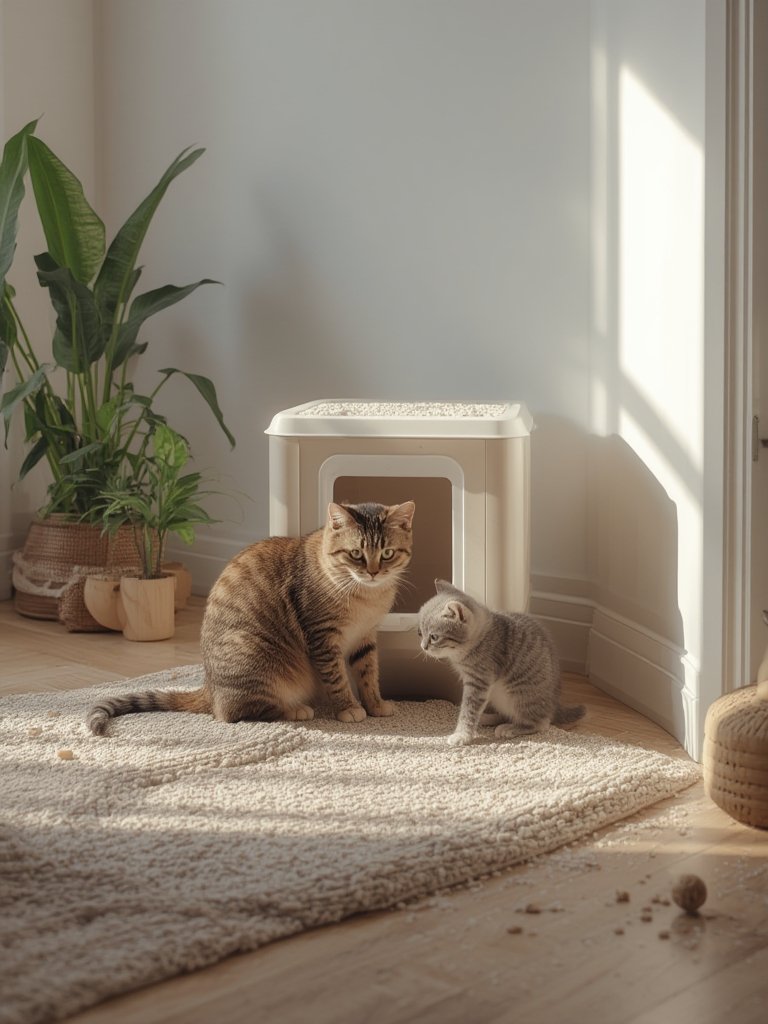
- Litter mats: Choose a large, textured mat to capture stray granules—especially for kittens who tend to scatter pellets.
- Maintenance: Scoop daily and stir the litter to keep it fresh and clump-ready. Replace completely as needed for odor and hygiene.
- Kittens: Use only “edible-safe” tofu litter for kittens, and always supervise to prevent ingestion during transitions. For more, see our cat urgent care guide.
Complement your low-dust litter setup with daily paw-checks and regular cleaning.
Editorial to-do list / data collection checklist for the writer
- Collect 20+ verified user reviews about dust, tracking, and clumping—start with Amazon, Chewy, and Reddit threads.
- Commission or conduct dust, tracking, and clumping tests (min. 3 brands, repeat 2x for reproducibility).
- Gather current retail price data for calculation of monthly cost scenarios (multiple regions and e-commerce sources).
- Interview at least one municipal wastewater official for practical guidance on tofu litter flushability, including which questions owners should ask.
- Test odor: run a 48–72-hour blind panel plus an ammonia or volatile compound sensor.
- Collect or produce photo/video assets showing litter tracking, dust plumes, and clump strength in action.
Currently, none of these data-points appear in top-ranking guides. For a rigorously tested self-cleaning option, see our automatic litter box roundup.
FAQ
Is tofu cat litter really dust free?
No. Most brands are significantly less dusty than clay litter, but “dust free” is an overstatement—there will always be some particles, especially during pouring and cleanup. Independent testing is needed to confirm levels.
Does tofu cat litter stop tracking completely?
No litter is 100% non-tracking. Tofu brands usually have larger, lighter pellets that reduce but do not eliminate tracking. Using top-entry boxes and mats will help minimize escaping litter.
Is it safe to flush tofu cat litter?
There are no official, municipal guidelines confirming tofu litter is safe to flush. Even if advertisements claim flushability, check with your local water provider and compost where possible instead.
Does tofu litter control odor for several days?
Tofu can absorb some odor due to its plant fiber structure, but most users report odor breakthrough in 2-3 days—especially in hot or humid homes. Frequent scooping and full changes help.
Can kittens use tofu cat litter safely?
Tofu litter is marketed as safe for kittens, but always monitor young cats for ingestion or allergic reactions. Only use food-grade, non-scented varieties for kittens.