

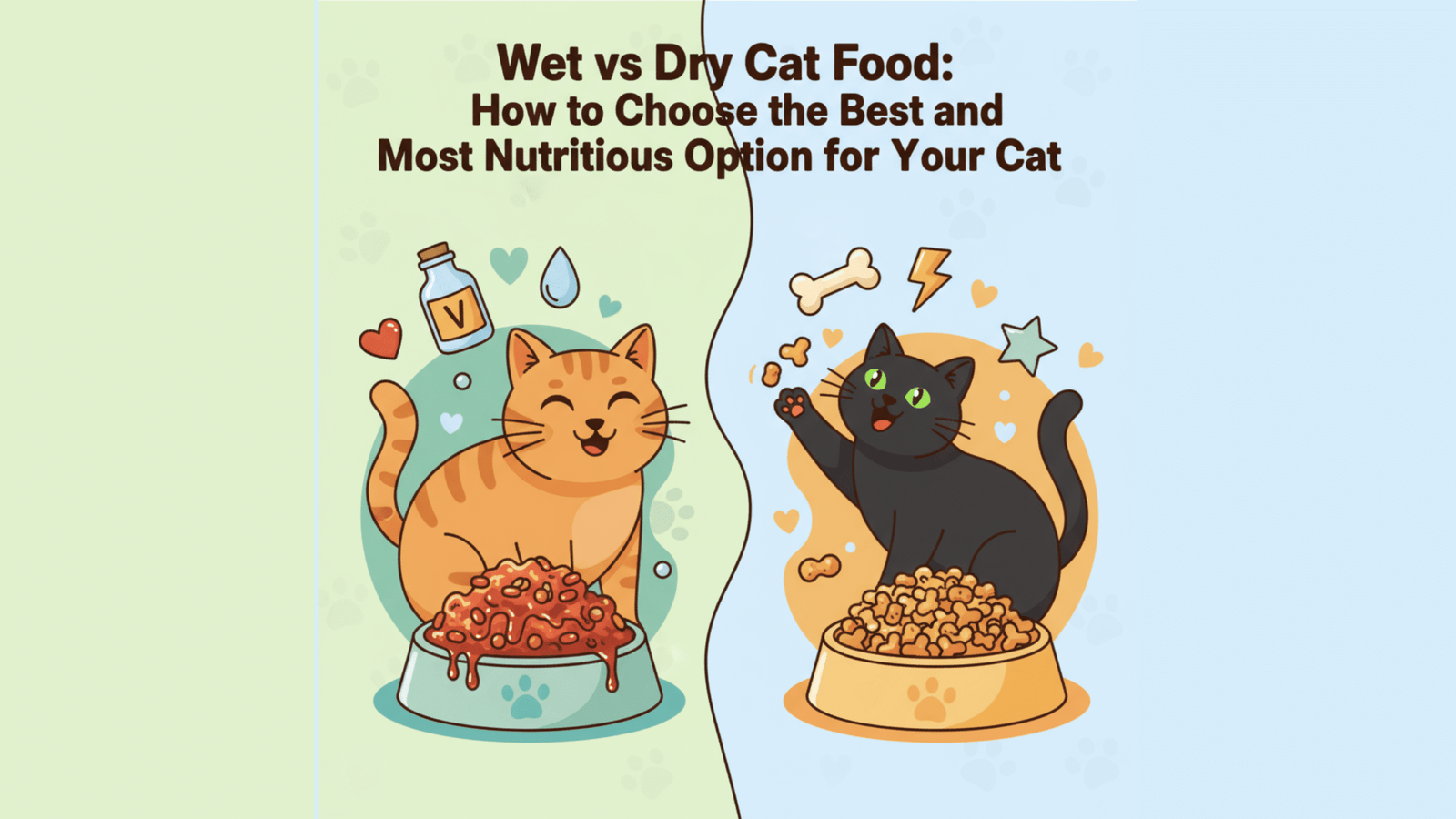
Choosing the right cat food affects health, hydration, and longevity. This article explores wet and dry cat food, what defines ‘good’ and ‘best’ options, and how Purina fits into the market. Read on for practical comparisons, ingredient insights, feeding guidance by life stage and condition, plus tips to select the best, nutritionally balanced food for your cat and long-term outcomes.
Understanding Cat Nutritional Needs
Cats are obligate carnivores, which means their bodies require nutrients found predominantly in animal tissues. Unlike omnivores, cats have evolved to eat diets high in animal protein and have unique physiological needs. Their metabolism is fine-tuned to use proteins and fats rather than carbohydrates for energy. The ideal protein target varies by life stage: kittens need around 30-35% protein on a dry matter basis for healthy growth, adults do well with 26-30%, and seniors often benefit from 30% or more to help maintain lean muscle mass.
Several essential nutrients must be provided in every cat’s diet. Taurine, an amino acid, is vital as cats can’t synthesize enough themselves; deficiency leads to vision and heart problems. Arachidonic acid (a fatty acid), preformed vitamin A, and B vitamins like niacin are also crucial, all of which are found naturally only in animal-derived ingredients. Good cat food, whether wet cat food or dry cat food, must be formulated to supply these nutrients.
Cats get much of their water from food. Eating dry cat food provides very little moisture, so their kidneys work harder to concentrate urine, raising risks of urinary tract issues. Thus, moisture—inherent in wet cat food—is vital in the best cat food for kidney or urinary health.
Energy requirements depend on weight, age, and activity. To estimate daily caloric needs, multiply your cat’s body weight in kg to the 0.67 power and then multiply by a standard factor (for most adults, 70 x body weight(kg)^0.67 ≈ kcal/day). For example:
- 4 kg adult cat: 70 x (4^0.67) ≈ 200 kcal/day
- 3 kg kitten: 70 x (3^0.67) x 2* ≈ 250-280 kcal/day (*kittens need about twice the energy per kg of adults)
Life stage and health change needs: kittens need more protein and energy; seniors need high, digestible protein; spayed/neutered cats or those with obesity need fewer calories; diabetes, kidney disease, or dental issues often require specialized formulas.
To ensure your cat’s diet meets core needs:
- Check labels for “complete and balanced” according to AAFCO or FEDIAF standards.
- Prioritize animal protein as the first ingredient in wet or dry cat food.
- Look for added taurine, omega-6s (arachidonic acid), and vitamins specific to cats.
- Choose formulas specific to your cat’s age and health status.
- Consider your cat’s hydration; if feeding dry cat food, encourage additional water intake.
- For Purina or other brands, compare ingredient quality and ensure the food addresses your cat’s unique needs.
Good cat food covers all the above bases; the best cat food does so with high-quality, highly digestible ingredients, palatability, and safety.
Wet Cat Food Benefits and Practical Considerations
Wet cat food offers unique physiological benefits for feline health, thanks to its high moisture content. Hydration is crucial for cats, especially because many are reluctant drinkers, and moist food supports urinary tract and kidney function, helps dilute urine, and aids in thermoregulation. Wet cat food is often the best cat food option for cats predisposed to kidney disease or urinary issues, as increased fluid intake can help reduce crystal formation and discomfort. The aroma and soft texture of wet food often enhance palatability for picky or senior cats.
- Types of wet food: Common forms include pâté (smooth paste), chunks in gravy, and loaf. Different textures suit different preferences: some cats only accept one kind or require slightly warm food (about room temperature, not cold from the fridge) to trigger their appetite.
- Reading labels: Seek foods listing named animal proteins like “chicken”, “turkey”, or “salmon” as the first ingredient. While meat by-products can be nutritious, the best cat food avoids vague terms like “meat meal” or labeling fillers (corn, rice, wheat, soy) among the first ingredients. Watch for added salts and thickeners — carrageenan is a common thickener with still-debated safety.
- Calorie density: Wet cat food tends to have lower kcal per serving than dry. For a 4 kg adult cat, maintenance may require one 85g-100g can or pouch twice daily (total ~140–180 kcal/day). For weight loss, daily intake might drop to ~120 kcal, which is about one 85g can per 12 hours.
- Storage and safety: Refrigerate unused portions promptly (within two hours), and discard uneaten wet food after 24 hours. Opened cans keep in the fridge up to 2 days if stored airtight.
- Cost and medical reasons: Meal-for-meal, wet food usually costs more than dry. However, it is medically recommended for cats with chronic kidney, urinary, or dehydration issues, and for cats that avoid drinking water.
- Checklist: Is wet cat food a priority?
- Your cat has kidney or urinary issues
- Your cat needs extra hydration or ignores water bowls
- Your cat is older, toothless, or a picky eater
- Weight management is challenging with dry food
- You want to offer the best cat food for medical needs or palatability
Dry Cat Food Benefits and Practical Considerations
Dry cat food offers distinct advantages that make it a popular choice in many households seeking good cat food options. One of its primary benefits is convenience: dry kibble can be measured out and left in bowls without risk of rapid spoilage, making free-feeding practical for working owners and multi-cat families. Its shelf stability is notable, lasting weeks in proper storage, while the cost-per-calorie is generally lower than wet food. These factors make dry food attractive when budget or logistics are significant concerns.
Despite these advantages, dry cat food comes with key limitations. Foremost is its lower moisture content—a challenge for cats with a naturally low thirst drive or issues like kidney or urinary disease, when hydration is vital. Most kibble features a higher carbohydrate load compared to high-quality wet diets, which can be problematic for weight management. A common myth is that kibble cleans cats’ teeth. Current veterinary evidence shows that most dry food offers little dental benefit; special dental diets may help reduce tartar, but regular feeding of standard kibble does not reliably maintain oral health.
Evaluating a good cat food in the dry category requires reading ingredient lists critically.
- Prioritize named proteins (such as “chicken” or “salmon”) in the first ingredients for optimal nutrition.
- Carbohydrate sources (rice, corn, potatoes) should be lower on the list.
- Look for healthy fats (chicken fat, fish oil) and avoid vague animal by-products where possible.
Dry kibble is more calorie-dense than wet food, requiring careful portion control. For a 4 kg adult cat, weight maintenance may range from 50–60 grams/day (approx. 200–240 kcal), while weight loss may need 40–45 grams (approx. 160–180 kcal). Use the guaranteed analysis to find calories/gram: take the bag’s kcal/kg and divide by 1,000 for kcal/g, then portion accordingly.
To maintain product freshness, store dry cat food in airtight containers in a cool, dry place, avoiding sunlight and exposure to air, which can oxidize fats and accelerate spoilage.
Dry food can be ideal for multi-cat homes, for owners who travel frequently, or where budget is a main factor. Conversely, it is not recommended for cats prone to dehydration, chronic kidney or urinary concerns, or those needing extra dietary moisture.
- Pros of dry cat food:
- Convenient and manageable for free-feeding
- Lower cost-per-calorie
- Easy long-term storage
- Broadly available (many Purina cat food options to choose from)
- Cons:
- Low moisture content—hydration risk for some cats
- Often higher carbohydrates than best cat food standards recommend
- Minimal true dental benefit
- Mix dry and wet cat food to improve hydration and palatability.
- Transition blends slowly to avoid digestive upset.
- Reassess portions to avoid overfeeding when feeding both types.
How to Choose the Best and Identify Good Cat Food
-
Reading the label and comparing Guaranteed Analysis:
- Check for protein, fat, fiber, and moisture content. To accurately compare wet cat food and dry cat food, convert their nutrient percentages to a dry matter basis (DMB). For example, if a wet cat food lists 10% protein and 78% moisture, calculate DMB:
- Percent dry matter = 100 – moisture% = 22% dry matter
- DMB protein = (listed protein ÷ dry matter) × 100 = (10 ÷ 22) × 100 = 45% DMB protein
For a dry cat food with 32% protein and 10% moisture:
- Percent dry matter = 90%
- DMB protein = (32 ÷ 90) × 100 = 35.5% DMB protein
Look for higher DMB protein, especially for active cats.
- Check for protein, fat, fiber, and moisture content. To accurately compare wet cat food and dry cat food, convert their nutrient percentages to a dry matter basis (DMB). For example, if a wet cat food lists 10% protein and 78% moisture, calculate DMB:
-
Ingredient order and naming:
- The best cat food and good cat food use named animal proteins (e.g., chicken, turkey, salmon) as the first ingredients. Avoid vague terms like “meat meal,” “poultry by-product”.
-
AAFCO statement:
- Ensure the food meets AAFCO “Complete and Balanced” standards for growth (kittens), maintenance (adults), or all life stages. This ensures essential nutrients are present for your cat’s life stage.
-
Special diet flags:
- “Grain-free” is not automatically better and, for some cats, may be linked with heart risks (DCM). Look for evidence-based brands and consult your vet before boutique or novel ingredient diets.
-
Nutrition vs. budget:
- Prioritize species-appropriate protein and proven nutritional adequacy over marketing claims like “holistic” or “natural.” Even within budget options, the best cat food includes real animal proteins, evidence of digestibility, and a clear AAFCO statement.
-
Simple decision checklist:
- Life stage matches your cat (kitten, adult, senior).
- First ingredient is a named protein (not by-product).
- Protein percent on dry-matter basis is adequate (aim for 30%+ DMB for most healthy adults).
- Has an AAFCO “complete and balanced” statement for your cat’s age.
- Moisture content (choose wet cat food if your cat needs more hydration).
- For special needs, is approved by your vet and has well-documented research behind it.
- Mini-plan: Suppose you’re choosing between two Purina formulas—one wet cat food and one dry cat food—for an adult cat.
- Compare dry-matter protein via the calculation above.
- Verify first ingredient is named meat (e.g. “chicken”).
- Check for AAFCO statement for maintenance.
- Factor in moisture—choose wet if your cat needs hydration or is prone to urinary issues.
- If both are similar, weigh cost per meal and what your cat accepts most willingly.
This ensures you select the best cat food for nutrition, practicality, and your cat’s preferences.
Spotlight on Purina and Practical Feeding Strategies
- Purina brands offer a range of options for cat owners, catering to different nutritional needs and budgets. Purina Pro Plan is positioned as a premium line, often recommended by veterinarians and focusing on evidence-based nutrition with formulas for specific concerns like hairball control or urinary health. Purina ONE sits within the value-premium tier, delivering targeted nutrition with named protein sources and added vitamins. Fancy Feast is well-known for its palatable wet cat food, with specialty options for picky eaters and older cats, while Friskies represents a budget entry with variety and accessibility in both wet and dry cat food.
- Comparing Purina formulas involves careful consideration of ingredients, protein sources, and moisture content. For wet cat food—like Fancy Feast and Pro Plan canned lines—expect higher moisture (75–80%), real meat proteins (e.g., chicken, salmon), and easy palatability. Dry cat food from Purina Pro Plan and Purina ONE is lower in moisture (~10%) but often features concentrated protein and fiber. For kittens, Purina Pro Plan Kitten offers DHA for brain development. For adults and seniors, products like Purina Pro Plan Prime Plus (supporting aging health) or Purina ONE Sensitive Systems (gentle on the stomach) fit specific needs. Weight management or indoor cats may benefit from Pro Plan Weight Management or ONE Indoor Advantage. Urinary health products like Pro Plan Urinary Tract Health are specialty options.
-
Scenario guidance and formulas:
- Indoor adult cat overweight: Purina Pro Plan Weight Management dry, or wet option from ONE Healthy Metabolism, for satiety and calorie control.
- Senior cat with early kidney disease: Fancy Feast Classic Pâté for palatability and moisture; advanced age formulas such as Purina Pro Plan Prime Plus, but always under vet guidance.
- Picky eater: Fancy Feast broths or minced recipes renowned for acceptance; Pro Plan grain-free wet options for variety.
-
Switching to Purina:
- Days 1–3: Mix 25% new (Purina) with 75% old food.
- Days 4–6: 50% Purina, 50% old food.
- Days 7–10: 75% Purina, 25% old food.
- Days 11–14: 100% Purina.
Monitor for vomiting, diarrhea, or poor appetite. If persistent GI upset occurs, pause transition and consult your veterinarian.
-
Mixed-feeding schedules for a 4 kg adult cat:
- Primarily wet, kibble snack: Two 85g cans of wet cat food (e.g., Fancy Feast Classic) split into morning and evening meals; 10g dry kibble (Purina ONE Indoor) midday as a snack.
- Primarily dry, wet topper: 35g dry kibble (Purina Pro Plan Indoor Care) split into two meals; add half a can (40g) of wet cat food (Purina Pro Plan Savor) atop the evening meal.
Adjust portions based on caloric needs, weight goals, and your veterinarian’s advice.
-
Evaluating marketing claims and labels:
- Focus on named proteins, life stage match, and AAFCO statements over flashy claims.
- Look for formulas with added benefits like prebiotics or omega fatty acids; avoid unnecessary fillers or artificial colors.
- For cost savings, explore Purina’s loyalty programs, coupons on their website, and subscription delivery for regular discounts.
-
Purina diet monitoring checklist:
- Smooth, shiny coat and healthy skin
- Consistent, formed stools
- Normal, stable weight
- Steady appetite and hydration
- No vomiting, diarrhea, or increased hairball frequency
- Seek veterinary review for any persistent GI upset, dramatic weight changes, or health decline
Conclusions
Evaluating wet versus dry cat food, reading labels, and matching nutrition to life stage and health needs helps you choose a good or best option for your cat. Purina offers a range of formulas but compare ingredients, moisture, and protein. Consult your veterinarian for tailored advice, transition diets gradually, and prioritize high-protein, moisture-rich foods for most feline health goals effectively.