

Probiotics for dogs with diarrhea can make a real difference—if you know what to buy, how to use it, and when to call your vet. Not all probiotics are created equal. Here’s how to choose the right strains and spot early red flags for your dog (or puppy), with advice grounded in real veterinary research and owner experience.
Key Takeaways
- Strain-specific probiotics backed by studies work faster and better than generic blends; look for strains like Lactobacillus plantarum and Bifidobacterium animalis.
- Start with a bland diet, use a strain-proven probiotic, and monitor closely—expect improvement for mild cases within 24–72 hours.
- Combining pumpkin and probiotics is popular but not clinically proven; focus on safe amounts and veterinary-backed products first.
- Why strain specificity matters (not all probiotics are equal)
- Measurable outcomes vets look for — what “works” means
- Quick evidence-based protocol for acute diarrhea (what owners can try first)
- Puppy vs adult considerations — safety, strains, and dosing differences
- Vet-recommended formulations vs. OTC/generic products — what differs (and what we don’t know)
- Common owner complaints and side effects — what to expect and how to respond
- Pumpkin plus probiotics — is the combo supported by clinical data?
- When to avoid or discontinue probiotics — red flags and contraindications
- Buying checklist — how to pick a quality dog probiotic
- Sample product types and ballpark cost considerations (how to budget)
- Top 3 content gaps competitors miss — topics your article must answer
- Quick-reference at-a-glance chart
Why strain specificity matters (not all probiotics are equal)
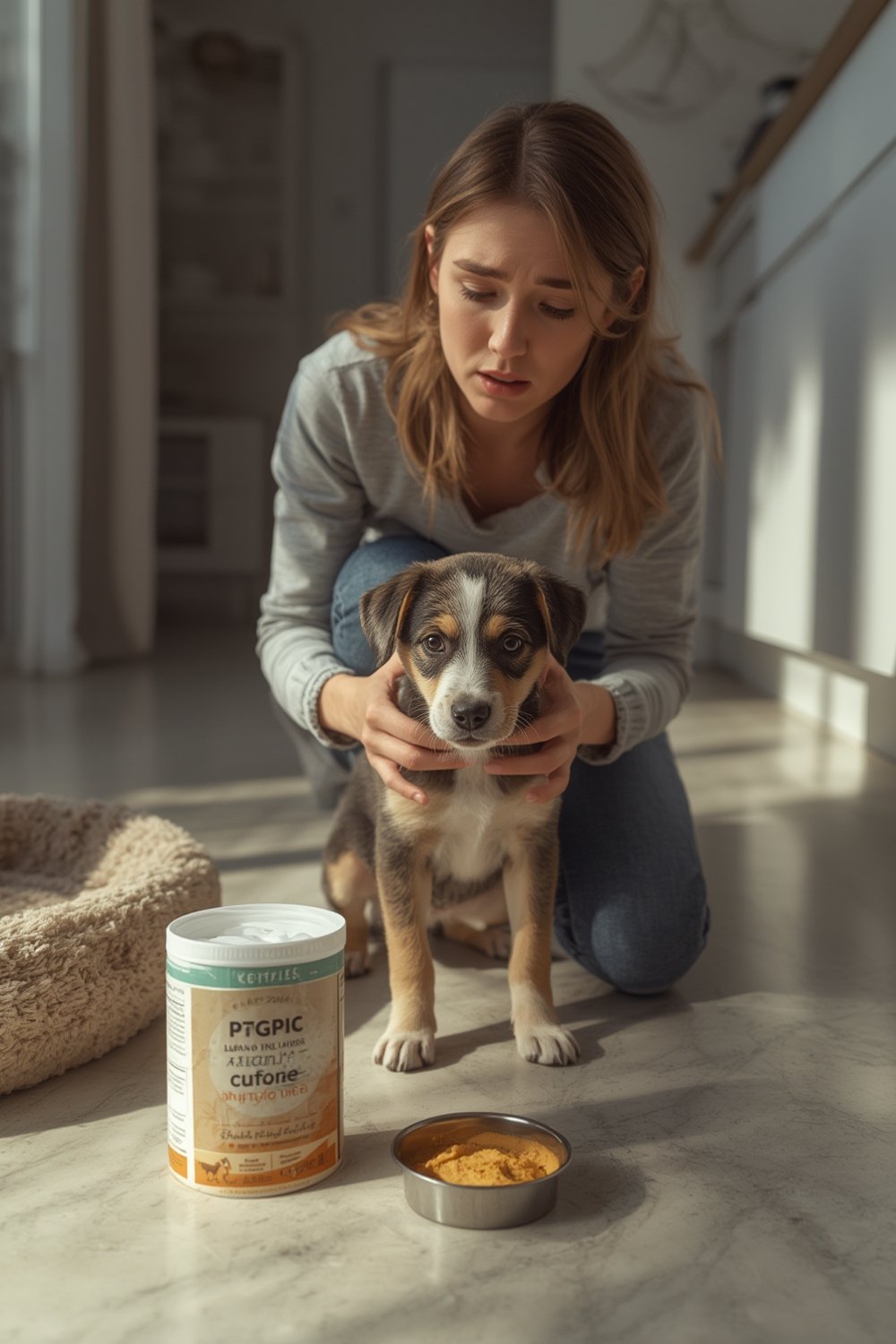
Not all probiotics for dogs with diarrhea have the same effects. Veterinary research shows that which strain you pick actually matters more than how many “billions” of live bacteria the label advertises. For example, a tested blend of Lactobacillus plantarum AMT4/AMT14 and Bifidobacterium animalis AMT30 (“good” bacteria found in canine guts) resolved diarrhea in 47.62% of puppies within 24 hours and 83.34% by 72 hours (source).
Other effective strains include Saccharomyces boulardii (a helpful probiotic yeast), Lactobacillus acidophilus (improves sodium balance and digestion), and Bacillus subtilis (a spore-forming bacteria that curbs pathogens). These strains show real benefits in dog trials: better stool consistency, improved body condition scores, and even lower levels of gut inflammation. Strain names must be listed—if the product hides this, skip it.
Measurable outcomes vets look for — what “works” means
“Works” is more than marketing: veterinarians measure time to firmer stools, reduced frequency of accidents, improved body weight, and biomarker changes (like calprotectin, a gut inflammation indicator).
- Saccharomyces boulardii reduced stool frequency and improved consistency in chronic enteropathy, and dropped gut inflammation markers like calprotectin and IgA (source).
- Multi-strain blends increased healthy bacteria like Blautia and Faecalibacterium, while suppressing harmful Clostridium perfringens in acute diarrhea (source).
- In puppy trials: 83.34% saw normal stools within 72 hours—far quicker than “wait and see” or antibiotic regimens.
Look for clear reporting on these outcomes—if a product only talks about “adding billions of cultures” but can’t show improvements in firm stools or weight, be skeptical.
Quick evidence-based protocol for acute diarrhea (what owners can try first)
For a healthy puppy or adult with mild, non-bloody diarrhea, skip shotgun antibiotics unless your vet specifically prescribes them. Veterinary protocols now recommend this stepwise plan:
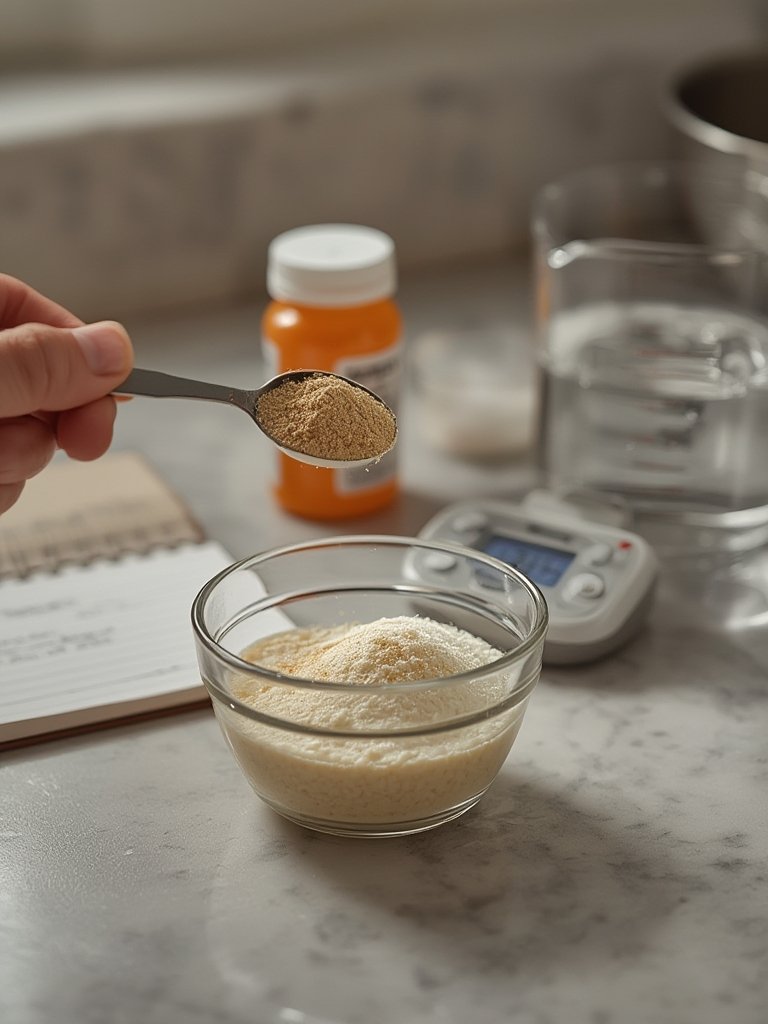
- Bland diet for 24–48 hours: Offer cooked plain chicken/turkey with rice or a small amount of plain canned pumpkin (1–2 tsp per 10 lb dog; see “Pumpkin Plus” below).
- Add a proven probiotic: Choose one listing clinical strains (see above); avoid “proprietary blend” only. If possible, pick formulas referencing published trials.
- Monitor closely: See if stool consistency improves within 24–72 hours. Puppies with the right probiotic combo (as cited above) improved measurably in this window (source).
- When to call the vet: If diarrhea lasts beyond 48–72 hours, your dog is lethargic, has blood in stool, vomits repeatedly, or stops eating, call immediately.
Puppy vs adult considerations — safety, strains, and dosing differences
Puppies (like Sarah’s six-month-old rescue) may have more fragile guts and different microbiomes than adults. Research shows the multi-strain blend (L. plantarum AMT4/AMT14, B. animalis AMT30) is safe for young pups—even as a stand-alone treatment for up to 5 days—with 83.34% resolving diarrhea within 72 hours and no fatalities (source).
Key puppy-specific guidance:
- Use only probiotics studied in puppies—adult-only formulas may have strains not tested for short-term safety in the very young.
- Always follow weight-appropriate dosing (check the label or ask your vet).
- Extra caution in neonates and immunocompromised dogs; avoid all probiotics if your vet says so.
For both puppies and adults, never exceed label doses. If your dog gets worse (vomits, acts sick), stop use and reassess quickly.
Vet-recommended formulas vs. OTC/generic products — what differs (and what we don’t know)
Vet-recommended formulas (like FortiFlora, Nutramax Proviable, or Purina Pro Plan Veterinary Diets) claim several advantages over generic OTC (“over-the-counter”) blends:
- Strain specificity: Vet formulas list the clinical strains and reference research; OTC brands may only say “proprietary blend.”
- Manufacturing controls: Higher-quality options may use third-party microbial testing, batch stability, or refrigeration to guarantee live bacteria counts at expiration.
- Clinical trial backing: Many vet brands cite or supply published trial data—even if not all data is equal.
- Transparent dosing: Vet products clearly list dosing by pet weight and age, which is crucial for puppies.
However, there is no public comparative research on exact strain makeup, clinical results, or cost differences between these vet and OTC products (source). Always read the fine print before choosing.
Related read: Complete Guide to Dog Day Care and Everyday Dog Care
Common owner complaints and side effects — what to expect and how to respond
Most dogs tolerate probiotics for sensitive stomach issues, but a few real-life issues can crop up:
- Palatability: Some dogs dislike powdered or capsule forms. Chewables are generally better accepted.
- Perceived lack of effect: Not all blends work equally. If you see no result within 72 hours, time to switch strains or check with your vet.
- Transient GI upset: Mild temporary diarrhea, gas, or—rarely—vomiting. If symptoms worsen or your dog seems sick, stop use and call your vet (study protocol).
No major “owner-trend” data is published as of 2024. You may want to document any adverse effects or preferences and report them to your vet—just as you would with any supplement or medication.
Pumpkin plus probiotics — is the combo supported by clinical data?
Pumpkin (unsweetened, plain) is one of the most popular home remedies for dog diarrhea, thanks to its fiber content. Many owners also use a pumpkin + probiotic for dogs combo. Here’s what we know:
- There is no published clinical trial as of 2024 showing pumpkin–probiotic synergy or reporting on optimal dosages (source).
- Vet guidelines do recommend multimodal approaches (diet + fiber + probiotics), but pumpkin itself isn’t singled out above other fibrous foods.
- Safe serving: For mild diarrhea, use 1–4 teaspoons of plain canned pumpkin per 10 pounds body weight daily, split into meals (start smaller for puppies).
Mixing a probiotic powder into pumpkin is safe, but don’t expect a miracle. Watch for improvement in 48–72 hours and check with your vet if there’s no change.
Learn more ways to support canine digestion: Freeze Dried Dog Food Toppers: Mealtime Boost Guide
When to avoid or discontinue probiotics — red flags and contraindications
Probiotics for dogs with diarrhea are generally safe, but there are times to avoid or discontinue:
- Do not use in dogs with severe systemic illness or suspected sepsis unless your veterinarian approves.
- Pause or stop if your dog shows new vomiting, lethargy, or worsening diarrhea after starting probiotics.
- Consult your vet before use in very young puppies (neonates) or dogs with immune disorders.
Vets recommend probiotics as first-line care for most mild acute cases or as part of chronic diarrhea management, but with careful owner monitoring (source). No universal contraindications exist, but rare temporary stomach upset has been reported.
Buying checklist — how to pick a quality dog probiotic
Here’s a plain-language checklist to help you shop smarter for a dog gut health supplement:
- Clinical strain names: Look for L. plantarum, B. animalis, S. boulardii, or B. subtilis—ideally with specific strain codes (not just “Lactobacillus spp.”).
- CFU count (but don’t obsess): Aim for at least 1–5 billion CFU/dose, but strain matters most.
- Stability: Shelf-stable is fine; avoid if no storage advice is clear. Refrigerated isn’t always better.
- Third-party testing or veterinary label: Brands with transparent batch testing and research connections generally offer more reliable results.
- Clear dosing for age/weight: Don’t guess—labels should tell you how much to use for your dog’s weight and age.
- Avoid human products unless directed by a vet: Human formulas may lack the right strains or dosing for canine guts.
Compare with tips from our Best Cat Toys for Indoor Cats post—pet supplements demand the same level of quality control as toys or food.
Sample product types and ballpark cost considerations (how to budget)
Probiotics for dogs come as:
- Chewables (usually best for picky eaters, often costlier per dose)
- Powders (easy to mix in food, variable palatability; sometimes more budget-friendly)
- Pastes & gels (handy for rapid administration or upset tummies)
Vet-backed brands pitch clinical strains and transparent testing, and may run $1–$2 per daily dose. OTC or generic options cost less but often skimp on clinical strain data. Unfortunately, no direct head-to-head cost–value comparison is published (vet guidance).
Weigh cost alongside evidence and safety, especially for puppies or dogs with recurring stomach sensitivity.
Budget dog care tip: Dog Cooling Vest: Buyers Guide—save on emergencies so you can invest more in proven digestive supplements.
Top 3 content gaps competitors miss — topics your article must answer
- Owner-reported issues & troubleshooting: Most sites skip real-world trends. Expect palatability quirks and rare GI upsets. Track, adjust, and always document effects with your vet.
- Vet vs OTC strain/cost clarity: No published ingredient or price breakdown exists. Insist on strain codes and research references in both vet and store-bought supplements. Vet-label usually means better research, but not always better price.
- Pumpkin + probiotic protocols: No trial backs the combo. Use pumpkin as a bland fiber (1–4 tsp per 10 lbs daily), but don’t expect magic from mixing unless future studies confirm benefit.
Demand these details from brands and blogs. If a resource dodges these, it’s not acting in your (or your dog’s) interest.
Quick-reference at-a-glance chart
Dog Diarrhea Probiotic Quick-Reference
| Recommended Clinical Strains | Starter Dosing Timeline | Red Flags (Call Vet) |
|---|---|---|
|
|
|
Based on puppy trial data: 47.62% recovered in 24h, 83.34% in 72h; S. boulardii improved key GI markers.
Conclusion
If you want probiotics for dogs with diarrhea to actually work for Sarah’s puppy—or your own—read labels for research-proven strains, not just CFUs or fanciful names. Stick to the bland diet plus proven probiotic approach, watch for improvement by 72 hours, and be ready to call your vet if red flags crop up. High-quality supplements and careful monitoring are your best tools for rapid, safe relief. Start smart, stay safe, and help your dog heal quicker—shop by evidence, not hype.
Ready for more targeted pet care? Explore our Cat Nutrition Guide or Best Automatic Litter Box Tips and keep your whole household thriving.
FAQ
How fast will probiotics help my dog’s diarrhea?
With the right strain-specific probiotic, you may see firmer stools in 24 hours; 83% of puppies in a clinical trial recovered within 72 hours. If there’s no improvement after 2–3 days, consult your vet.
Can puppies safely take probiotics for diarrhea?
Yes, but only use formulas that have been tested in puppies. Clinical blends like L. plantarum AMT4/AMT14 and B. animalis AMT30 are shown safe for young dogs—always use age-appropriate dosing and ask your vet first if your puppy is under 8 weeks or very small.
Do I need to refrigerate my dog’s probiotic?
Not always. Shelf-stable products are fine if labeled that way. Always check storage instructions—some require refrigeration to maintain potency, others do not.
What are real risks of side effects?
Most dogs tolerate probiotics well, but some may have mild digestive upset (extra gas, loose stool, rarely vomiting). Stop use and talk to your vet if your dog becomes lethargic, vomits more, or develops new symptoms after starting.
Is pumpkin plus probiotic actually better than probiotic alone?
No clinical trial proves the combo is superior, but pumpkin is a safe fiber source for most dogs and may help bulk up loose stools. For best results, try pumpkin as part of a bland diet while using a strain-proven probiotic.