

enzyme cleaner for cat urine is the single most important product busy cat owners need for truly eliminating stubborn pet odor—if you know how, when, and where to use it properly. Most products claim to remove stains and smells, but only enzyme formulas break down the toughest compounds in cat pee at the molecular level. Here’s a tested, no-nonsense guide to help you fix carpet and couch mishaps for good—or know when a pro is needed.
Key Takeaways
- Enzyme cleaners (with protease and urease) actually digest uric acid to remove odor at the source, unlike regular cleaners that just mask smells.
- Permanent results for old stains often require repeated, prolonged applications—temperature and pH matter more than you think.
- No one product is a guaranteed miracle for deep-set or years-old stains, but using the right ingredient and application protocol gives the best shot.
- Why enzyme cleaners are recommended for cat urine
- Step-by-step application protocols by surface
- Advanced analysis & common pitfalls
- Conclusion and actionable next steps
- FAQs & Troubleshooting
Why enzyme cleaners are recommended for cat urine
Most cat urine removers just cover up odor with fragrance, but an enzyme cleaner for cat urine (especially products labeled as the best enzyme cleaner for cat pee) actually targets the root problem: uric acid crystals. Cat urine is much more complex than it smells—it’s loaded with proteins, urea, uric acid, and ammonia. While regular sprays might briefly make the smell go away, uric acid reactivates and stinks whenever humidity or water gets into the fabric.
Enzyme cleaners contain protease and urease, proteins that break down the stubborn molecular bonds in both proteins and uric acid, converting them into harmless water, CO2, and gases that evaporate. This isn’t about covering up odors—it’s about digesting them at the source. Top brands like Rocco & Roxie and Nature’s Miracle are formulated to trigger this reaction, and it’s why veterinary advice specifically recommends enzymatic cleaners over anti-spray alternatives for organic pet accidents.
Step-by-step application protocols by surface
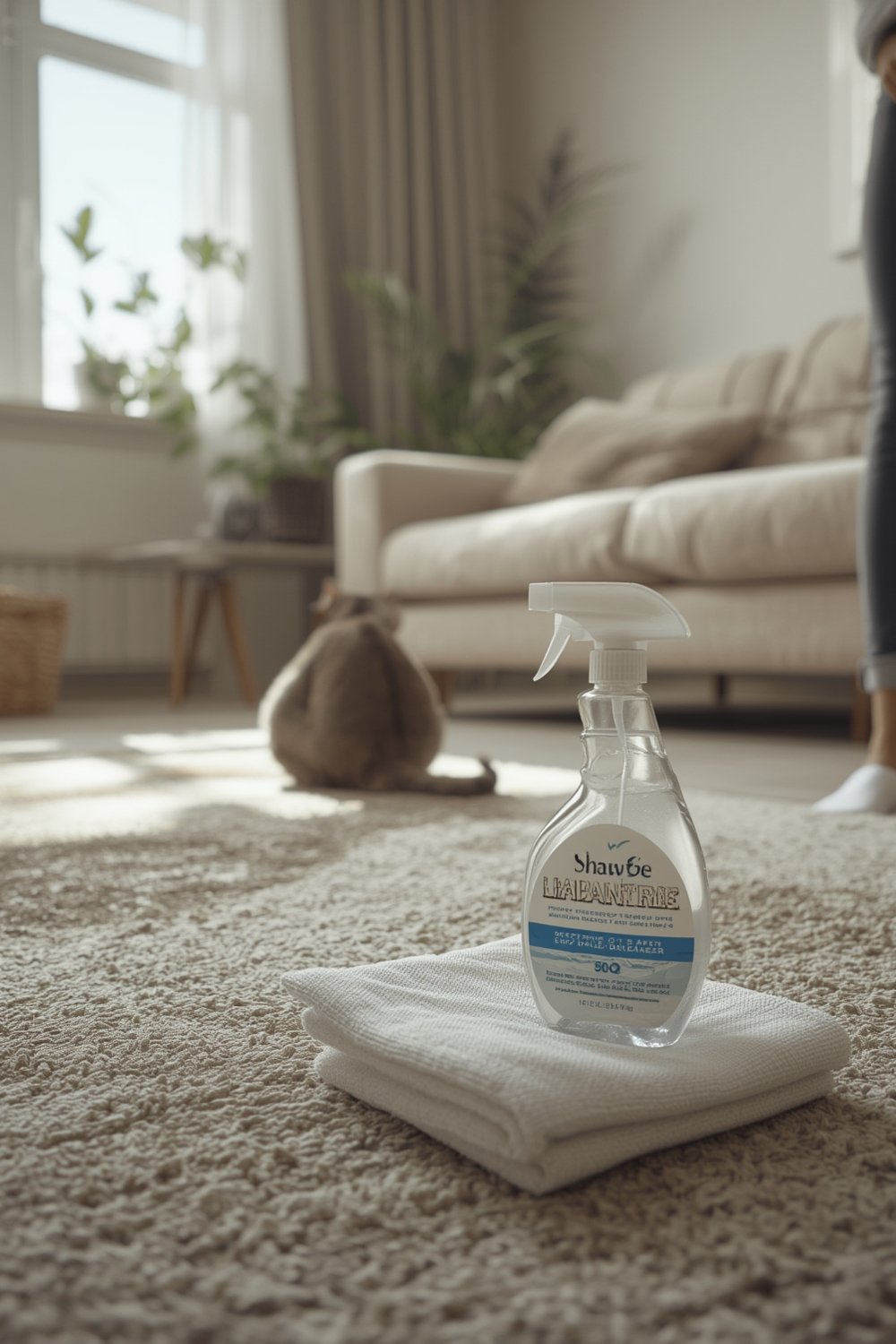
Using enzyme cleaner for cat urine is all about maximizing surface contact and giving the enzymes the time they need to work—especially for carpets, couches, and old dried spots. Here’s how to get the best results, surface by surface:
- Carpet:
- Blot fresh urine with paper towels—don’t rub. For old stains, gently dampen the area before applying.
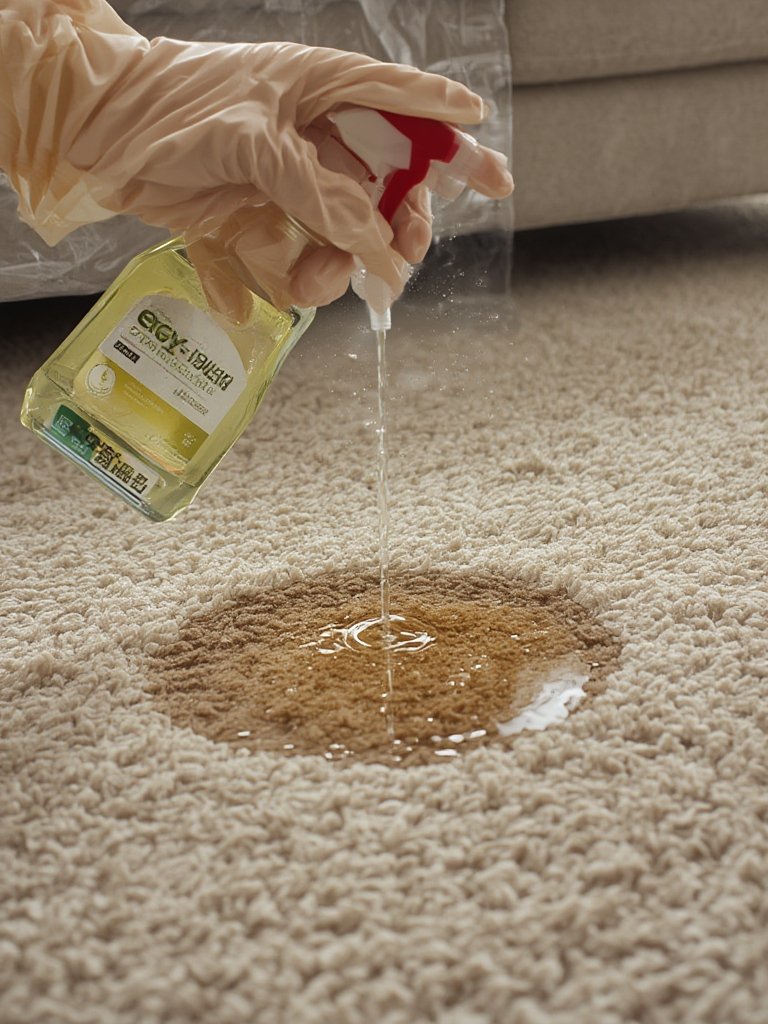
- Apply enzyme cleaner for cat urine generously, soaking through to the pad if possible. Use enough to reach all layers the urine touched.
- Allow a dwell time of 15 minutes for new stains or 1–8 hours for old/deep stains. Cover with plastic wrap to prevent drying if treating overnight.
- Remove plastic, let fully air-dry (12–24 hours). Check for remaining odor and visually inspect for stains.
- Repeat the process as needed—most deep stains need 2–3 cycles.
- Couch/Upholstery:
- Blot (or gently dampen old spots). Check if the cushion covers are removable—treat both sides if possible.
- Apply enzyme cleaner. Tilt and squeeze to make sure it penetrates layers—not just the surface.
- Wait at least 30 minutes (up to overnight for heavy odors), using plastic wrap to hold moisture if safe for the material.
- Let dry completely before replacing covers or using the couch. Assess odor before reassembly.
- Multiple treatments are often required for couch cushions—especially memory foam or thick inserts.
- Hard Floors:
- Wipe up urine, then spray enzyme cleaner liberally.
- Let sit 5–10 minutes. Mop or wipe with a damp cloth (no harsh disinfectant), and allow to dry.
- For grout or cracks, use a brush to help the product penetrate, then repeat if odor persists.
Spot-test any cleaner on a hidden area before treating large fabric surfaces. High-quality enzyme cleaners are generally safe and non-toxic for pets and people, but some fabrics (like delicate wool) may react unpredictably.
Looking for tools to help with recurring accidents? automatic litter box can keep things fresher and may help prevent marking in the first place.
For in-depth cat health advice, see the complete guide to cat urgent care.
Advanced analysis & common pitfalls
Even the best enzyme cleaner for cat pee can disappoint if you expect instant magic on all stains and surfaces. Here are the biggest reasons these products sometimes come up short, plus a table comparing enzyme and non-enzymatic options:
- Insufficient soak time. Enzymes need moisture and long dwell time, especially for old or dried stains that penetrate padding or foam. A 2-minute spray and wipe is rarely enough.
- Temperature and pH sensitivity. Cold rooms or low humidity slow enzyme activity. Using a cleaner in a chilly basement, or after using another chemical, may neutralize its effects. Check the manufacturer’s ideal temperature range, usually above 55°F (13°C).
- Old/concentrated stains require repetition. One application usually doesn’t remove deep-set odors from couches, mattresses, or under carpet pads. Plan for 2–5 treatments over several days.
- Incorrect product selection. Not all enzyme cleaners are the same. You need both protease and urease (bio-enzymatic blends are best) for cat urine. Watch for brands that pad their label with generic “odor removers,” harsh oxidizers, or heavy fragrance instead of real digestive enzymes.
- Not all claims are backed by research. No current studies quantify the percentage of cat urine stains removed and odors permanently prevented with any cleaner. Veterinary endorsements exist, but the last independent lab comparison dates to 1989 (study summary).
| Type | How It Works | Best For | Limitations |
|---|---|---|---|
| Enzyme Cleaner (protease + urease) |
Biologically digests uric acid, urea, and proteins | Recent, mild-to-moderate stains; safe for families/pets | Requires repeated/prolonged contact, sensitive to temp/pH, limited lab data |
| Anti-spray/Chemical Cleaner | Masks odor with scent; may use oxidizers | Surface-level cleaning; quick fixes | Does not digest uric acid; often ineffective for repeat marking |
| Non-enzymatic “Advanced Chemistry” | Claims to break bonds via chemical reaction | Some old/deep stains; when enzymes fail | Less safety data; less real-world testing; can be harsh |
More on enzyme vs. non-enzymatic chemistries here.
If odor still lingers after several proper treatments, or if you’re facing stubborn repeat marking, it may be time for professional cleaning or testing an “advanced chemistry” solution. If you have concerns about toxic ingredients or pet safety, always look for “bio-enzymatic”, non-toxic, fragrance-free products. Consult your vet for particularly sensitive households.
Veterinary sources note the importance of ingredient transparency—look for detailed enzyme listings like protease and urease. Some of the most reliable products come with endorsements from the ASPCA, DVM360, or vet reviews. (See more vet opinions.)
Want to enrich your cat’s world and prevent accidents? Try these best cat toys for indoor cats.
Conclusion and actionable next steps
For most busy cat owners, using an enzyme cleaner for cat urine remains the gold standard for removing odors and breaking the cycle of repeat marking. But persistent, old, or deep stains require multiple, well-timed treatments and the right ingredient blend—there’s no one-size-fits-all miracle. If you still have trouble, consider professional cleaning or testing a newer non-enzymatic product as a last resort.
Ready to fix the mess? Buy a top-rated, concentrated enzyme cleaner with both protease and urease, and follow the protocol above. Be realistic: you may need to treat multiple times, especially for couches and old spots. For further feline care tips, see the cat urgent care guide or learn more about optimal cat nutrition.
Don’t settle for surface cleaning. Start your deep-cleaning plan today with a trusted enzyme cleaner for cat urine—and get your home, and your peace of mind, back.
FAQs & Troubleshooting
Will enzyme cleaners work on month-old or older stains?
Yes, but you’ll likely need to soak the area overnight, possibly more than once. Older stains require prolonged, repeated enzyme contact for results. If odor persists after several cycles, try a non-enzymatic solution or get help from a professional cleaner.
Do I need to remove couch cushions or carpet to fully clean cat pee?
Whenever possible, remove and treat both the outer fabric and any foam inside separately. Pee seeps deep—surface-only cleaning often fails. If covers don’t come off, inject solution or soak and let air dry thoroughly.
Are enzyme cleaners safe for kittens and children?
Most enzyme cleaners for cat urine are safe when labeled non-toxic and used as directed. Still, store out of reach, and avoid applying to areas that are damp when your cat or child could ingest directly. Ventilate rooms and follow manufacturer guidance.
What if odor returns after rain, carpet cleaning, or high humidity?
Uric acid can reactivate with moisture if it wasn’t fully digested. Reapply the enzyme cleaner when the weather is dry, and allow for a longer dwell time. Consider professional extraction for stubborn cases. Use a pet air purifier to control lingering odors.
How can I prevent repeat marking inside my home?
First, neutralize the original odor fully with an enzyme treatment. Then, address possible triggers, enrich your cat’s environment with interactive toys, and keep litter boxes scrupulously clean. For severe behavioral marking, consult your vet.