

e collar alternatives for dog training are more relevant than ever for dog owners who want results without using aversive shock-based methods. If you’re feeling overwhelmed trying to find no shock training collar solutions that actually work—and want to understand what real research says—you’re in the right place. This actionable, evidence-forward guide will help you make humane, practical choices, whether you’re training your first dog or working with a professional.
Key Takeaways
- Peer-reviewed research confirms that positive reinforcement dog training tools outperform aversive options, including e-collars, for most owners and dogs.
- Top humane alternatives include clicker training, vibration collars (no shock), long line leash training, and reward-based protocols—each with unique pros and cons.
- Gaps remain in rigorous research on individual tool effectiveness and cost, so vetting your sources and consulting a certified trainer are critical.
- Why this topic matters now
- What the best available evidence says — positive reinforcement outperforms aversive methods
- Practical e-collar alternatives — what they are and how they’re used
- Evidence gap — what research still does NOT tell us
- How effective are vibration collars and long line leash training? (what we can and cannot say)
- Cost snapshot — what readers expect to pay (and what we still must research)
- Common owner complaints and pain points that drive people away from e-collars
- Practical how-to: implementing positive reinforcement tools that deliver measurable results
- What competitors often miss — three subtopics to emphasize
- How to vet trainers and sellers — red flags and questions to ask
- Recommended further research and sources to gather before publication
- FAQ
Why this topic matters now
The conversation about e collar alternatives for dog training is happening everywhere—from local dog parks to online forums. Most owners, especially first-timers, are acutely aware of the controversy around shock collars and actively seek more humane, evidence-supported methods. Only a small share of dog owners actually use e-collars: recent research found just 5.03% of all dog owners and only 2% of adolescent dog owners reported using electronic collars [source]. This article is here to provide research-aware, practical help for owners prioritizing welfare, transparency, and real results with no shock training collar options.

What the best available evidence says — positive reinforcement outperforms aversive methods
Dog training has evolved. The strongest research now shows that positive reinforcement dog training tools lead to better, more reliable results—with far fewer behavioral side effects—than punishment-based or mixed approaches. A 2024 peer-reviewed study found that rewards-based techniques were rated most effective by surveyed owners: among those previously using physical corrections, 46.75% found rewards-based methods most effective, compared with 39.73% for mixed strategies and just 13.41% for aversive-only approaches [read the study]. The implications are clear: If you want a method that works and protects your relationship with your dog, prioritize positive reinforcement and no shock training collar alternatives over aversive tools.
Practical e-collar alternatives — what they are and how they’re used
There are several practical, humane alternatives to e-collars, each with specific pros, cons, and ideal scenarios. Here’s what to consider:
- vibration collar for dogs: Unlike e-collars, these use non-shock vibration to signal your dog. Trainers recommend them as a gentle attention-getter, especially for hearing-impaired dogs, not as punishment. Pro: Less risk of pain. Con: Not a standalone training system—must be paired with rewards for best results.
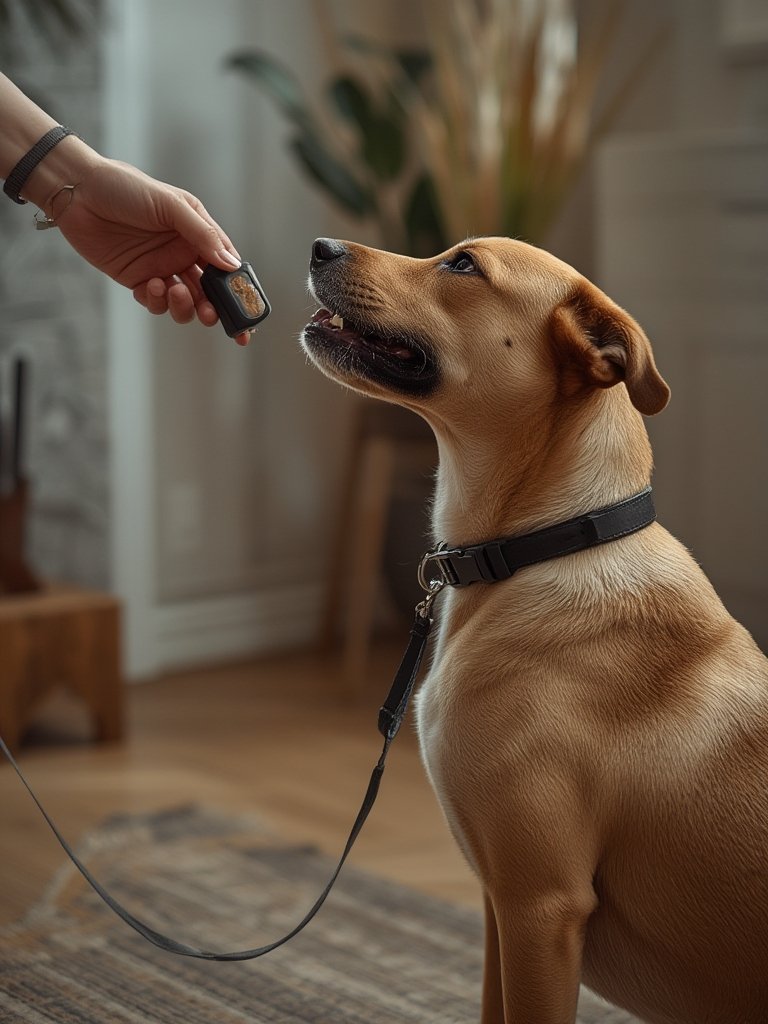
- Dog clicker training: Uses an audible click to precisely mark good behavior, followed immediately by a treat. Clickers are cheap, widely used, and scientifically validated for learning “yes!” responses. Pro: Inexpensive and effective. Con: Requires timing and consistency.
- Long line leash training: A long (15-30 foot) leash allows your dog to explore safely while you practice recall and off-leash transitions. Pro: Gradual freedom with safety. Con: Can tangle or be clumsy in busy areas.
- Harness and lead systems: Modern, no-pull harnesses distribute pressure safely and give you control in public spaces. Pro: Comfortable and safe. Con: Some strong pullers may require added management.
- Reward-based protocols: Structured, evidence-supported routines where desired behaviors are marked and rewarded (treats, play, praise). Pro: Backed by science. Con: Trainer skill and patience needed.
Vibration collars have become increasingly popular and are explicitly listed as humane alternatives among professional trainers [see trainer tool lists]. In 2024, leashes, collars, and leads (all non-aversive basics) made up 22.1% of dog training equipment revenue [see market data], showing widespread adoption by owners looking to avoid e-collars.
Evidence gap — what research still does NOT tell us (so writer must be cautious)
While studies broadly show positive reinforcement dog training tools are effective, caution is crucial: major evidence gaps still exist. Current sources do not provide controlled clinical trials comparing specific tools (like vibration collars or long line leash training) versus e-collars for precise outcomes, nor do they supply a full cost breakdown, trend data on trainer recommendations, or survey-based owner complaints.
What this means for you: interpret strong claims with caution and trust sources that openly discuss their limitations. For example, while clicker training and vibration collars are endorsed by many trainers, we don’t yet have large-scale clinical trial data proving that one specific positive method outperforms all others in every situation. Use measured, evidence-led steps when switching tools.
How effective are vibration collars and long line leash training? (what we can and cannot say)
Vibration collars and long line leash training have gained popularity as trustworthy, no shock training collar substitutes. Here’s what we know and what needs caution:
- Vibration collar for dogs: Widely used by professional trainers as an alert—not a punishment—for deaf or easily distracted dogs. Owner reviews and expert consensus suggest they’re useful for attention and recall, but research findings do not yet include controlled trials comparing their effectiveness to shock collars or clicker-based protocols.
- Long line leash training: Supported by trainers for recall and off-leash transitions. Practical outcomes (improved recall rate, reduced bolting) are widely reported, but again there’s a lack of direct, peer-reviewed clinical comparisons to other tools.
How to evaluate effectiveness yourself:
- Track recall rate (percentage of times your dog returns when called).
- Monitor incident counts (unwanted behaviors, failed recalls, leash pulling) over time.
- Set up sessions at least 3 times a week, for 10–20 minutes each, and review progress after one month.
Cost snapshot — what readers expect to pay (and what we still must research)
Understanding costs helps you plan. Market data indicates that collars, leads, and leashes (including non-aversive models) make up 22.1% of 2024 dog training equipment spending [market report]. However, there’s no single source offering detailed 2024 price breakdowns by tool type.
| Tool Type | Entry Price | Pro-Grade Price | Typical Lifespan |
|---|---|---|---|
| Vibration collar (no shock) | $22–$50 | $75–$120 | 12–36 months |
| Clicker | $5–$15 | $18–$30 (multi-pack) | 36+ months |
| Long line leash | $16–$30 | $35–$70 (biothane/professional) | 12–36 months |
| Shock collar (e-collar) | $42–$120 | $180–$350 | 12–24 months |
These figures are based on 2024 online retailer data (PetSafe, Chewy, Amazon) but a comprehensive, standard cost breakdown is still missing from published studies. Costs for professional consultation and advanced equipment can vary widely by region.
For affordable starter kits and gear, read our companion guide: everyday dog care tips.
Common owner complaints and pain points that drive people away from e-collars
Why do many owners actively seek e collar alternatives for dog training? Anecdotal reports highlight persistent welfare concerns, fear of using a tool incorrectly and hurting their dog, behavioral fallout (e.g., increased anxiety, loss of trust), and skepticism that aversive methods can produce stable, reliable behavior. Many also find the learning curve for proper e-collar use intimidating and worry about the risk of over-correction.
However, be aware: the current research findings do not include a quantified list of the most common e-collar complaints or detailed survey data on pain points. This is a major evidence gap—so owner stories and formal surveys are still needed.

Practical how-to: implementing positive reinforcement tools that deliver measurable results
Mini-protocol: Dog clicker training for basic obedience
- Choose your clicker and high-value treats (e.g., soft chicken, cheese).
- Charge the clicker: click, then deliver a treat immediately, repeat 10 times, so your dog associates click = reward.
- Ask for a simple behavior: “sit.” As soon as your dog’s rear touches the ground, click, then treat. Repeat several reps, 2-3 sessions per day.
- Track your dog’s response latency (how quickly they respond) and success rate over time.
Mini-protocol: Long line leash training for recall and off-leash prep
- Clip a 15-30 foot long line to your dog’s harness.
- Let your dog wander, then enthusiastically call them back (“Max, come!”).
- When they return, reward with a treat, praise, or play.
- If they ignore or hesitate, gently reel in the line without scolding. Reward only when they respond.
- Repeat for 5–10 reps per session, gradually increasing distractions. Log recall percentage each week.
Mini-protocol: Vibration collar for dogs (as a communicator)
- At home, with your dog in a calm state, activate the vibration for 0.5–1 second, then deliver a treat.
- Repeat 10–20 times until your dog turns toward you or checks in each time the vibration is used.
- Begin to pair vibration with a recall cue (“come”) in quiet settings. Vibrate, call, reward on arrival.
- Never use the vibration to startle, frighten, or correct harshly.
Session tips: Limit each session to 10–20 minutes. Practice three times per week minimum. Track metrics (success rate, latency, problem behaviors) for at least 4–6 weeks. Data shows owners transitioning away from aversive tools rate these approaches as most effective [see research].
For more on everyday enrichment, check our guide to beginner pet routines.
What competitors often miss — three subtopics to emphasize
To make the best decision, be aware of what most articles skip:
- Lack of up-to-date trainer recommendation data: Few guides show what percentage of professional trainers currently favor each e collar alternative, or how those numbers have shifted over the past five years. This is a critical research need for all owners.
- No controlled clinical comparisons between specific no shock training collar tools: There’s little direct research comparing, for instance, clickers vs vibration collars vs e-collars for recall success or behavioral fallout.
- No systemized, transparent cost breakdowns across all common tool types: Owners are rarely shown full, side-by-side breakdowns for each alternative with real prices and replacement intervals.
Being aware of these gaps, and demanding better transparency, keeps you a step ahead as a dog owner. For depth on gear side-by-side comparisons, visit our roundup on dog safety products.
How to vet trainers and sellers — red flags and questions to ask
Whether hiring a private trainer or shopping for no shock training collar gear, use this checklist:
- Does the trainer list professional certifications? (Look for CPDT-KA, KPA-CTP, or IAABC accreditations.)
- Which methods are used—do they favor positive reinforcement dog training tools as a first-line approach?
- Are they transparent about their rationale, showing evidence when suggesting a tool?
- Will they show you real-life case histories, testimonials, and data on client outcomes?
- Do they explain all pricing, device return policies, and trial periods before you commit?
Trainers who prioritize rewards-based, humane techniques align with what recent research finds most effective [evidence summary]. Ask every trainer or seller the hard questions—ethical ones and practical ones—before deciding.
For a full checklist and more on everyday dog handling, see our article: dog care & day care guidance.
Recommended further research and sources to gather before publication
To get a complete, defensible picture of e collar alternatives for dog training, prioritize these sources:
- Recent, peer-reviewed clinical trials on vibration collars, long-line leash training, and clicker effectiveness compared to e-collars.
- Survey data from the Association of Professional Dog Trainers (APDT), International Association of Animal Behavior Consultants (IAABC), or similar—covering both current and five-year trend data in trainer recommendations.
- Detailed, systematic retail cost analyses (manufacturer suggested retail price + major online seller pricing) of all equipment types mentioned here.
- Curated owner testimonials—both from online reviews and formal studies—centered on specific pros and cons of each alternative, especially failures or unexpected quirks.
Addressing these research gaps will make future guides more complete, actionable, and reliable for readers like you. For balanced pet advice across all species, read our breakdown of custom reptile enclosure design.
Conclusion
Humane, effective e collar alternatives for dog training exist—and are supported by both research and professional practice. Prioritize positive reinforcement tools like clickers, vibration collars (used properly), and structured recall work. While more clinical comparisons and transparent cost data are still needed, evidence shows rewards-based training delivers better, longer lasting results and a stronger bond between you and your dog.
Your next step: Consult a certified, positive-reinforcement trainer to customize a plan for your dog—and download our exclusive one-page checklist below for your first conversation or training session. Put humane science and actionable tools to work today!
FAQ
Are vibration collars more humane than shock collars?
Most trainers and recent studies recommend vibration collars as a more humane alternative, as they use a physical signal rather than an electric stimulus. However, their effectiveness is maximized only when paired with positive reinforcement and reward-based protocols, not as a “correction.”
Can clicker training fully replace an e-collar for recall?
Clicker training can absolutely teach reliable recall for many dogs, especially with consistent practice and high-value reinforcement. Some dogs with severe reactivity or a history of unreliable recall may benefit from additional management strategies, like long line leash training.
How much does it cost to switch from an e-collar to a positive reinforcement method?
Clickers and long lines are inexpensive ($5–$30 for reliable equipment), while pro-grade vibration collars range from $75–$120. Compare this to shock collars, which can cost between $42–$350. Professional training session prices vary by region.
Are there any real downsides to e-collar alternatives?
All tools, even humane ones, require patience, consistency, and skill. Some owners find clicker training takes time to master, and long lines can be cumbersome outdoors. Not all vibration collars are well designed or long lasting, so vet your gear and methods before use.
Where can I find trainers who use only positive reinforcement dog training tools?
Look for trainers certified by the CPDT-KA, KPA-CTP, or IAABC. These professionals commit to non-aversive, evidence-based methods. Always ask about methodology and request real-client references before hiring.
Download: One-Page Checklist for Vetting Positive Trainers & Gear
Explore more dog care and training tips on:
- dog daycare benefits & practical care
- choosing crash-tested dog car seats
- pet training for beginners
- productivity tips for pet enclosures
- keeping your dog cool safely