

Dog car seat crash tested isn’t just a marketing phrase—it’s a claim that could mean the difference between trusted safety and empty promises. If you’re a safety-focused dog owner who spends time on the road, understanding what stands behind these labels is critical before you invest.
Key Takeaways
- Most “crash tested” dog car seats and harnesses fail independent crash tests—always require public, third-party evidence, not just marketing claims.
- The only widely recognized independent program for pet restraints is Center for Pet Safety (CPS); few products, like Sleepypod Clickit Sport, carry real CPS certification.
- Fit, comfort, real-world usability, and correct sizing are just as important as the “crash tested” label—especially for small and narrow-chested dogs.
- Executive summary — what “crash tested” actually means right now
- The testing protocols that matter — CPS, FMVSS, ECE/ISO and what each measures
- Which brands/products truly publish verifiable test results (who to trust)
- Common user-reported problems — fit, comfort, usability and durability
- Center-console and booster-style dog seats — what the evidence says (and doesn’t)
- Sizing, breeds and weight limits — matching restraints to your dog
- Cost vs. verified safety — trade-offs and what you get for premium prices
- Three critical selection/use points competitors miss (actionable checklist)
- Quick buyer decision flow & installation checklist (convert readers)
- Sources and further reading (to build credibility)
Executive summary — what “crash tested” actually means right now
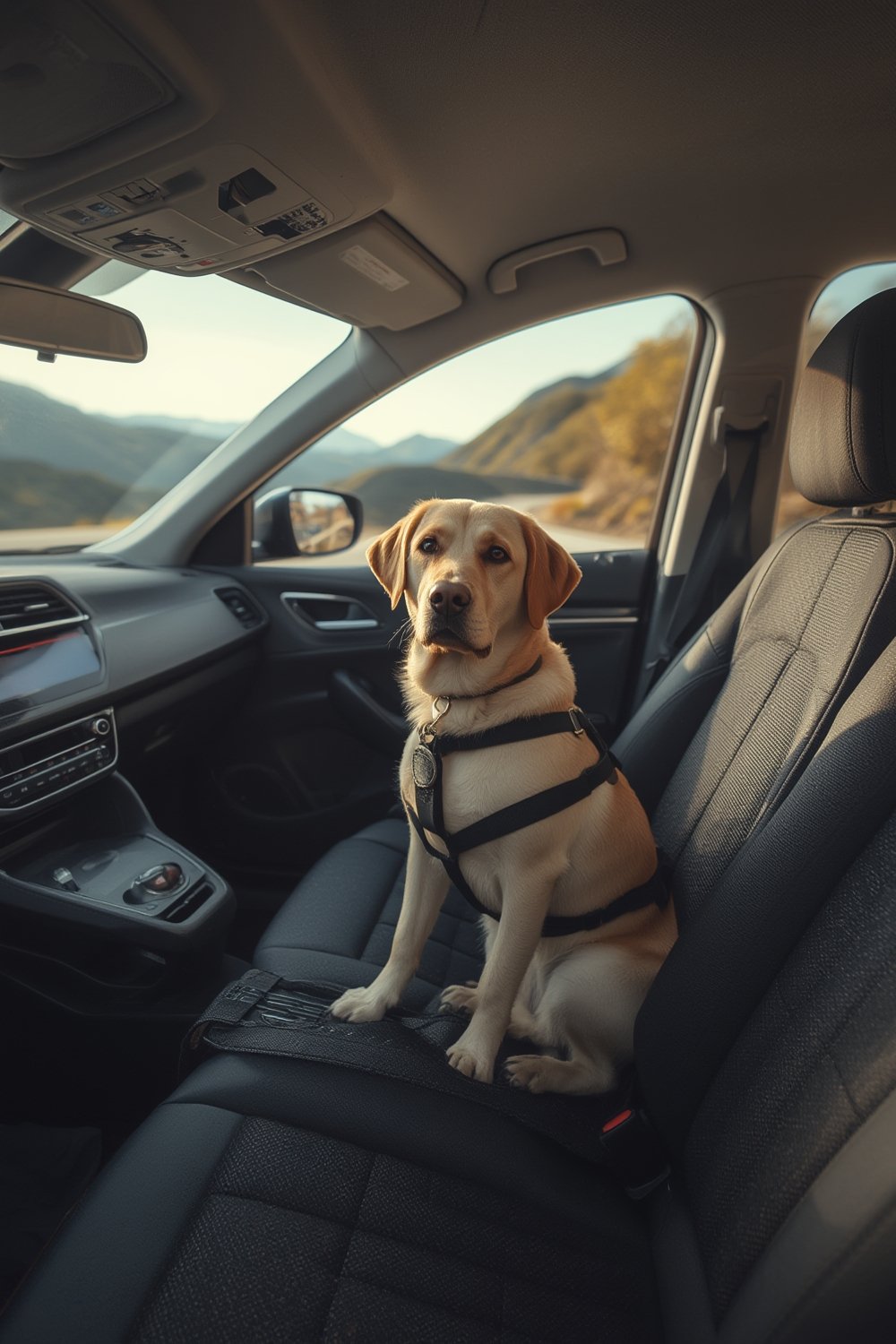
The phrase “dog car seat crash tested” appears on dozens of products—but very few have ever passed a real, independent test. Most brands conduct internal tests or use ambiguous terms, leaving safety-conscious buyers in the dark. The only widely recognized independent program is the Center for Pet Safety (CPS), which does not certify most of the market. In CPS studies (2011 and 2013), nearly every tested harness failed. The standout exception: the Sleepypod Clickit Sport, which not only passed but earned a 5-star CPS safety rating, tested to U.S., Canadian, and E.U. child seat standards. Independent verification remains rare—which means buyers need to cut through marketing hype and require proof.
The testing protocols that matter — CPS, FMVSS, ECE/ISO and what each measures
Not all crash tests are created equal. Here’s how the key standards differ:
- CPS (Center for Pet Safety): The only fully independent pet-specific protocol. Measures excursion (distance the dog travels post-impact), strap loosening, leg stability, and outright disqualifies products using extension tethers or attachments. Certification requires zero catastrophic failures and public reporting. CPS certified products are listed for transparency.
- FMVSS 213: The U.S. regulatory crash test for child passenger seats. No dog product is legally required to pass this, but makers like Kurgo Tru-Fit sometimes use it as a benchmark and test at automotive labs (such as Calspan). However, these are usually manufacturer-led tests, not public or third-party certified.
- ECE R-17 & ISO 27955: European automotive standards for restraints. Rarely used for dogs, but AllSafe Comfort harness has claimed testing to these in Germany, with published tensile strength ratings.
Ultimately, only products with public, third-party test reports (ideally CPS) stand out. Others offer marketing—but not always real evidence.
Which brands/products truly publish verifiable test results (who to trust)
This industry has a transparency problem. Here’s what the data shows about trustworthy options:
- Sleepypod Clickit Sport: The only widely-available harness with a current public CPS 5-star certification and a full, published test report. Slip-resistant design with three-point contact to limit excursion.
- Kurgo Tru-Fit & Impact: Tested to the FMVSS 213 child seat standard at automotive facilities (Calspan). Some public reports available but no current CPS certification. Not all models meet the same criteria—check each version.
- AllSafe Comfort: Tested in Germany to ECE R-17 and ISO 27955, with tensile strengths up to 4,410 lbs. Manufacturer provides documentation upon request.
- Ruffwear Load Up: Shares dynamic crash and tensile testing data. Lacks CPS listing but details results on its website.
Always demand transparent protocols and published test links. Avoid “crash tested” products that never show the results. If you want a Sleepypod alternative, start by checking if Kurgo or AllSafe provides test certificates—not just claims.
Want more day-to-day care tips for your dog? Read our complete guide to dog day care for extra safety and wellness advice.
Common user-reported problems — fit, comfort, usability and durability
Real-life users encounter some key frustrations after purchase:
- Poor fit for certain breeds: Many harnesses (like EzyDog Drive with its wide, rigid chest plate) just don’t fit narrow-chested or small dogs. This leads to slippage, reduced safety, or discomfort.
- Complex adjustments: Sleepypod Clickit Sport and other high-rated models can take real effort to adjust tightly—especially for squirmy dogs or new users. The process sometimes frustrates owners and leads to “semi-loose” deployments.
- Comfort and movement: Bulky, highly armored designs may keep dogs safe—but can cause heat build-up, chafing, or throat pressure if the harness is not sized exactly. This is worse on long trips or everyday commutes.
- Durability vs. bulk: Beefier models (like OptimusGear Defender or Kurgo Impact) are praised for materials but considered heavy and too cumbersome for smaller pets.
- Unsafe design elements: Cheap harnesses often rely on extension tethers (“seatbelt extenders”)—which CPS categorically disqualifies for safety hazards. Avoid them, even if “crash tested” is claimed.
For guides on picking easier daily walking gear, see our resource on best cooling vests for dogs. For road safety, always prioritize a crash tested dog seat belt harness over regular walking harnesses or clip-ins.
Center-console and booster-style dog seats — what the evidence says (and doesn’t)
Interest in center console dog car seat and booster-style dog car seats is high because many owners want a small dog near them. But: No independent crash test data exists for these products. Studies and manufacturers do not publish verifiable results. Third-party reviews and CPS data focus exclusively on harness systems, which outperform all untested boosters by design. In fact, CPS-certified harnesses like the Sleepypod Clickit Sport perform best because their multi-point designs physically limit excursion, preventing ejection or whiplash injury.
- Most booster seats allow more movement, which increases the risk of injury in a crash.
- Extension tethers (common in console/booster seats) are a major safety red flag and will disqualify a harness from CPS review.
- No “dog booster seat safety rated” designation is recognized by any independent agency as of 2024.
Need expert advice for less conventional pets? See our custom reptile enclosure guide.
Sizing, breeds and weight limits — matching restraints to your dog
Most buyers select by weight alone—but girth and breed shape matter equally. Here’s what leading brands publish about sizing:
- Kurgo Tru-Fit: 25-75 lbs (approx. 11-34 kg), S-XL noted. Suits most medium to large breeds.
- Ruffwear Load Up: 5-105 lbs (XXS-L/XL), works for 13-42″ chest girth—covers the biggest breed range.
- CarSafe: Up to 32 kg (approx. 70 lbs), transforms for walks.
- AllSafe Comfort: S-XL (girth-specific: 6.4-12″ for S, tensile tested to 2,205-4,410 lbs for M-XL).
- Sleepypod Clickit Sport: 15-90 lbs listed for best performance. Wide three-point adjustment.
Problems arise when buyers ignore chest width, neck shape, or underestimate a dog’s tension during impact. Narrow-chested breeds, seniors, and puppies are at highest risk for a poor fit—so always measure chest girth at the widest point, not just weight. Large breeds may exceed test forces or require added hardware strength; small dogs risk loose fit or slipping past the chest plate.
For cats, we’ve written a science-backed round-up on best cat toys for indoor cats if you also care for feline travelers.
Cost vs. verified safety — trade-offs and what you get for premium prices
Premium, independently certified products often cost more—and there’s a reason. While no full 2024 price list is available, past reports show:
- Sleepypod Clickit Sport (CPS-certified) sits at the high end (actual prices vary online).
- Kurgo Tru-Fit and Impact test to FMVSS and cost $30–110 depending on model/size.
- Ruffwear Load Up and AllSafe Comfort may range broadly, especially in international markets, but both provide at least some public data on testing or stress capacity.
Premium harnesses (with verifiable independent testing) are typically bulkier, include more adjustment points, and sacrifice some user-friendliness. Cheaper models—often labeled Sleepypod alternative—may look tempting, but usually lack transparent test performance or adequate restraint. Your investment? Pay for “peace of mind” and real protection—or risk buying a label, not a result.
Three critical selection/use points competitors miss (actionable checklist)
Beneath the surface, three often-skipped issues separate a genuinely safe dog car seat crash tested experience from disappointment:
- Avoid extension tethers completely. These are banned by CPS, cause unsafe forward excursion, and often lead to ejection in real-world tests. Only use direct seatbelt or headrest attachments.
- Demand proof of independent testing—never settle for vague “crash tested” claims. Look specifically for:
- Current listing on the CPS Certified Product List
- Link to a downloadable or viewable CPS, FMVSS, ECE, or ISO test report
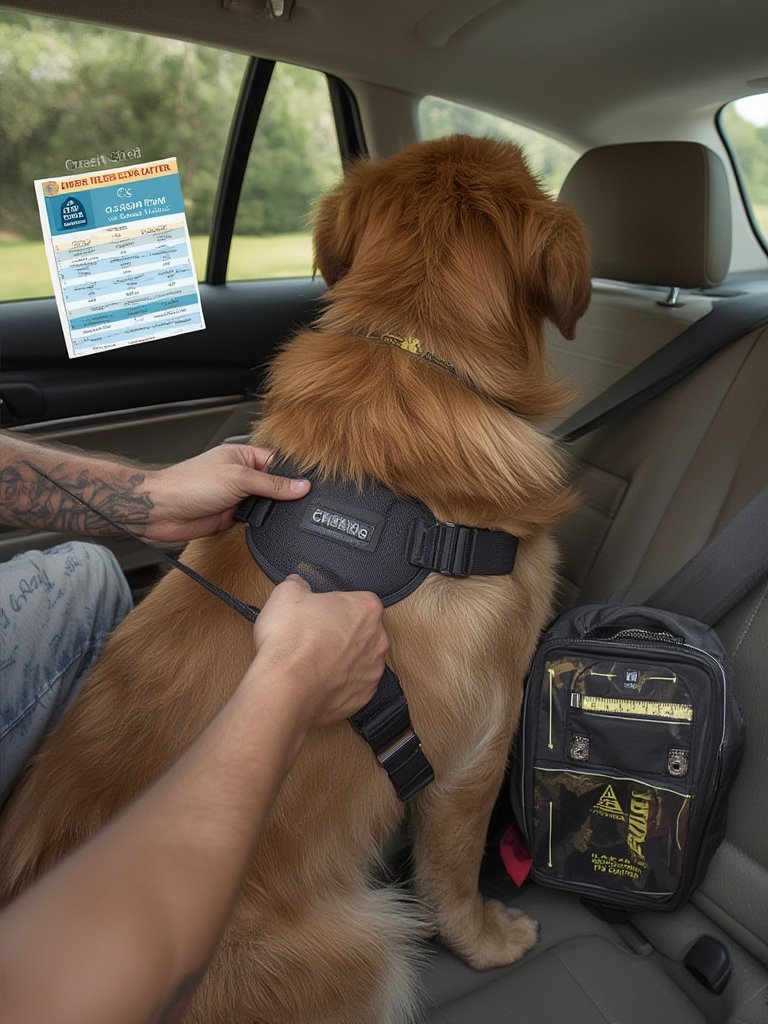
- Ensure correct fit using girth as your gold standard. Measure your dog’s chest at the widest area behind the front legs. Try the harness on—check there’s no throat or esophagus pressure, no way to slip an arm through, and no room to escape. Repeat after the first short drive, as nylon can loosen slightly.
Simple walkthroughs apply to other pet care scenarios too, whether you’re evaluating beginner reptile pets or a new restraint solution for travel.
Quick buyer decision flow & installation checklist (convert readers)
Ready to take action? Use this five-minute flow for selecting and installing a proven dog seat belt harness or dog booster seat safety rated system:
- Measure your dog’s chest girth at the widest point and their current weight.
- Check if your chosen harness/car seat is listed on the CPS Certified Product List, or has a direct link to a FMVSS/ECE report.
- Compare the product’s published weight and size capacity to your dog; select accordingly (avoid “one size fits all” claims).
- Test fit the harness at home—look for snug fit with padding, no pressure on the neck/trachea, and proper range of motion.
- Perform a short drive with your dog restrained. Listen and watch for discomfort, chafing, or escape attempts. Readjust as needed.
- Register your product with the brand for recall alerts and warranty access.
Remember: Sleepypod Clickit Sport is still the benchmark for a dog car seat crash tested and proven to limit dangerous movement (excursion) in collisions. Verification saves lives.
Sources and further reading (to build credibility)
- CPS Certified Product List and Crash Test Studies — See which crash tested dog car harness products passed independent testing. Includes links to test reports and methodology.
- Sleepypod Clickit Sport Safety Ratings & Testing Data — Independent lab reports and product certifications in one place.
- GoPetFriendly.com Crash Test Review Round-Up — Side-by-side comparisons, fit issues by breed, and owner experiences.
- Car and Driver: Best Dog Car Seats (2024) — Real-world owner reviews and test performance breakouts.
For additional canine comfort, see our top picks for indoor cat enrichment (perfect if your dog has a feline friend).
FAQ: Dog Car Seat Crash Tested & Safety Harnesses
What is the safest dog car seat or harness on the market?
The Sleepypod Clickit Sport is currently the only widely available harness with a public, 5-star Center for Pet Safety (CPS) safety rating, tested to child car seat standards. Always check the CPS Certified Product List for updates.
Are center console or booster dog car seats safe in a crash?
No. There is no independent crash testing data available for center console or dog booster seats. CPS and other agencies focus on harness systems, which have proven to outperform seat-based restraints by limiting movement during collisions.
How do I check if my dog’s harness is truly crash tested?
Check if your harness is listed on the CPS Certified Products List. If test reports or protocols are not public, consider the “crash tested” claim unverifiable.
How should I fit and adjust my dog’s car harness?
Measure your dog’s chest girth at the widest point, not just weight. Fit the harness snugly around the chest with no throat pressure and test for possible escape. Always adjust after the first ride as webbing may loosen slightly.
Why shouldn’t I use harness extensions or seatbelt extenders?
Extensions are unsafe and disqualified by CPS testing, as they can cause excessive forward movement (excursion) and potential ejection during a crash. Always attach the harness directly to the car’s seatbelt system.