

### Blog Post:
airline approved pet carrier expandable is one of the top concerns for pet travelers who want to maximize their pet’s in-cabin comfort and avoid stress or rejection at the gate. The challenge: major airlines publish soft-sided carrier “maximums,” but the real under-seat fit depends on aircraft, row, and even subtle differences in seat infrastructure. If you want your small dog or cat to fly with you—safely, legally, and comfortably—getting the step-by-step right is crucial. Here’s how to confidently select, test, and fly with an expandable carrier that works on your route.
Key Takeaways
- Airlines list “maximum” pet carrier dimensions, but real under-seat space often varies by aircraft and row—collapse-testing your expandable carrier is essential.
- Only choose an airline approved pet carrier expandable if it easily collapses to meet the airline’s closed-size requirements without distorting structure or restricting ventilation.
- Measure your pet (IATA sizing), verify closed carrier dimensions for every airline you will fly, test fit under similar seats, and document your prep to avoid stressful surprises at the airport.
- Why under-seat fit matters more than “maximum” dimensions
- Exact under-seat dimensions by major airline (practical summary)
- Airline and TSA policy essentials for expandable soft-sided carriers (2024)
- How expandable carriers fit into airline rules — collapse, test, and document
- Comfort, breathability and safety — what to evaluate (expandable vs standard soft-sided)
- Measured fit for your pet — using IATA sizing + airline maxes
- Top three recurring pain points buyers face with expandable cat carriers (and how to avoid them)
- What policy and product guides often miss (3 high-impact gaps to address)
- Price, materials and durability — how to evaluate (and a buyer’s checklist)
- Gate strategy and documentation — what to show airline/TSA if questioned
- Model recommendation approach (how we’ll pick the finalists in a product roundup)
- Quick buyer’s checklist (final decision flow)
- FAQ: Airline Approved Pet Carrier Expandable
- Conclusion and Call to Action
Why under-seat fit matters more than “maximum” dimensions
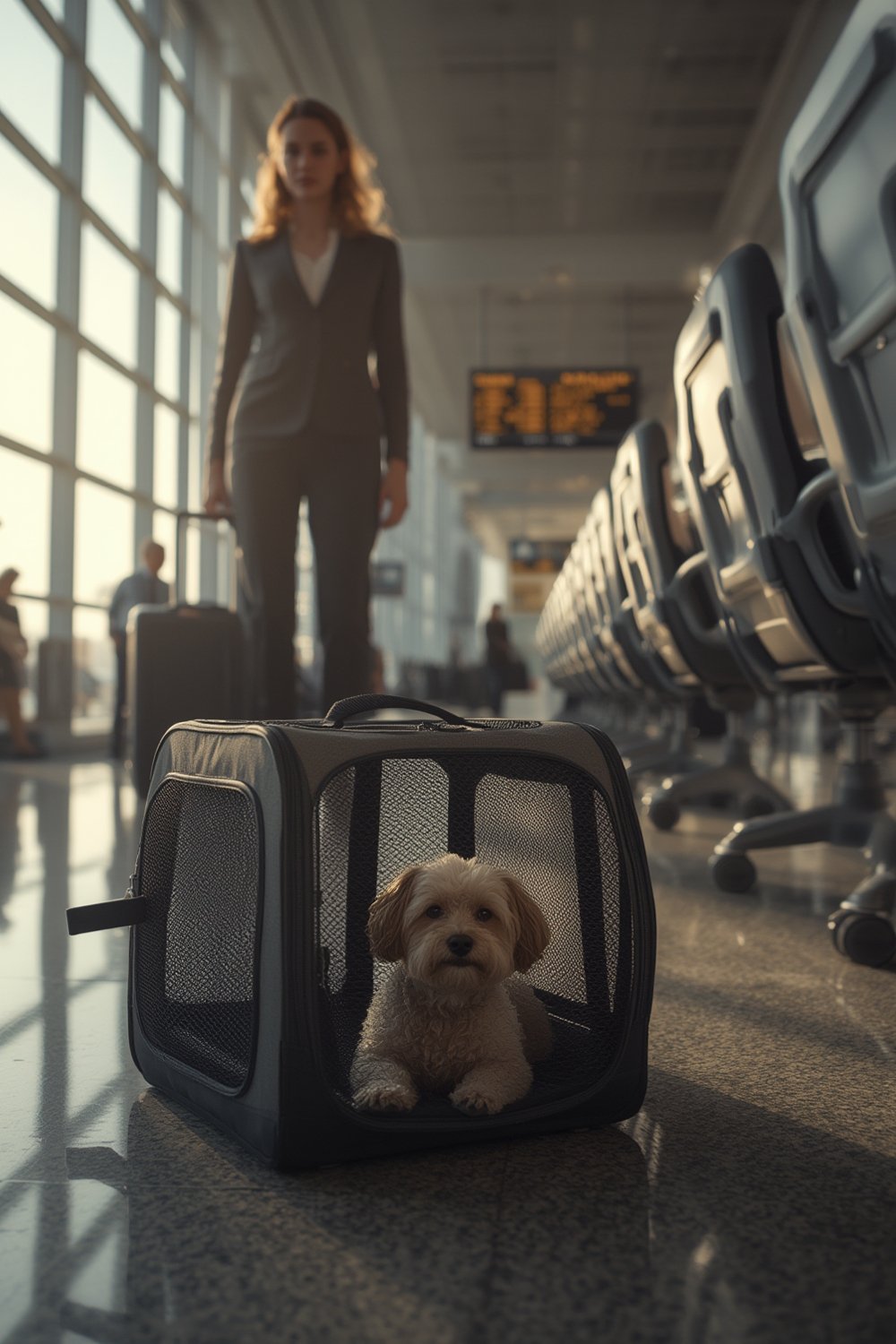
Most airlines give a “maximum” under-seat pet carrier dimension for soft-sided carriers—often 18 x 11 x 11 inches, though it can vary by airline and aircraft. But that number is only the start. Actual under-seat space can be less, especially on regional jets, window or bulkhead rows, or aircraft with entertainment boxes
under some seats. American Airlines and Delta both list 18 x 11 x 11 inches for soft-sided carriers—meaning you must be able to squeeze a slightly-larger soft carrier into their smallest under-seat gap without “excessive collapse.”
For expandables, you’ll need to measure both the open and closed state, make sure the closed (or “stowed”) state always fits the true available space, and check that mesh ventilation and safe padding remain unaffected. With airlines enforcing these rules, nothing is more important than getting this step right.
Exact under-seat dimensions by major airline (practical summary)
If you’re traveling with a soft-sided or expandable carrier, the real under-seat space (not just published “max” specs) is what counts. Here are 2024 under-seat carrier maximums for major airlines (always confirm before booking as policies can change):
| Airline | Soft-sided Max (inches) | Notable Variance/Notes |
|---|---|---|
| American | 18 x 11 x 11 | Allowed if collapses to fit under-seat, “no excessive force” |
| Delta | 18 x 11 x 11 | Soft-sided preferred; verify aircraft type |
| United | 18 x 11 x 11 | Check Express/regional jets for tighter fit |
| Southwest | 18.5 x 13.5 x 9.5 | Wider but slightly lower—biggest floor area |
| JetBlue | 17 x 12.5 x 8.5 | Smaller height—best for very small pets |
| Spirit | 18 x 14 x 9 | Wider, but lower |
| Frontier | 18 x 14 x 11 | Generous width, standard height |
| Allegiant | 18 x 14 x 8 | Lowest height restriction |
| Air Canada | 16 x 17 x 8 (most narrowbody) | Aircraft-dependent—always check |
| KLM | Varies (see link) | Tightest on 737/Embraer |
Reference: Complete 2024 airline pet policies |
Air Canada Official Guide
For more pet care and travel tips, see our guide to everyday dog care strategies.
Airline and TSA policy essentials for expandable soft-sided carriers (2024)
TSA does not regulate carrier size or type for in-cabin pets—their focus is on security screening. When you reach the checkpoint, you’ll remove your pet (leashed/harnessed) and carry them while the empty carrier goes through X-ray. Airlines, not TSA, decide whether a airline approved pet carrier expandable is acceptable.
Universal airline requirements in 2024:
- Soft-sided or expandable carriers allowed if fully closed and collapsed to the stated size (e.g., 18 x 11 x 11 in on American and Delta).
- Carrier must be water-repellent, padded, fully secured, and have mesh ventilation on at least three sides—even when collapsed.
- Pet must be able to stand, turn, sit and lie naturally with the carrier closed.
- Doors/mesh panels must be fully secured during taxi and takeoff, and typically for boarding/airport.
- No explicit airline bans on expandables—final acceptance is up to gate agents if the closed carrier fits and is safe.
See: American Airlines pet policy 2024 and Delta Pet Travel page for recent examples.
How expandable carriers fit into airline rules — collapse, test, and document
An expandable carrier is only airline approved if it reliably collapses and closes down to the under-seat maximum when stowed. Here’s the repeatable “collapse test” you’ll want to use (in-store or at home) before buying:
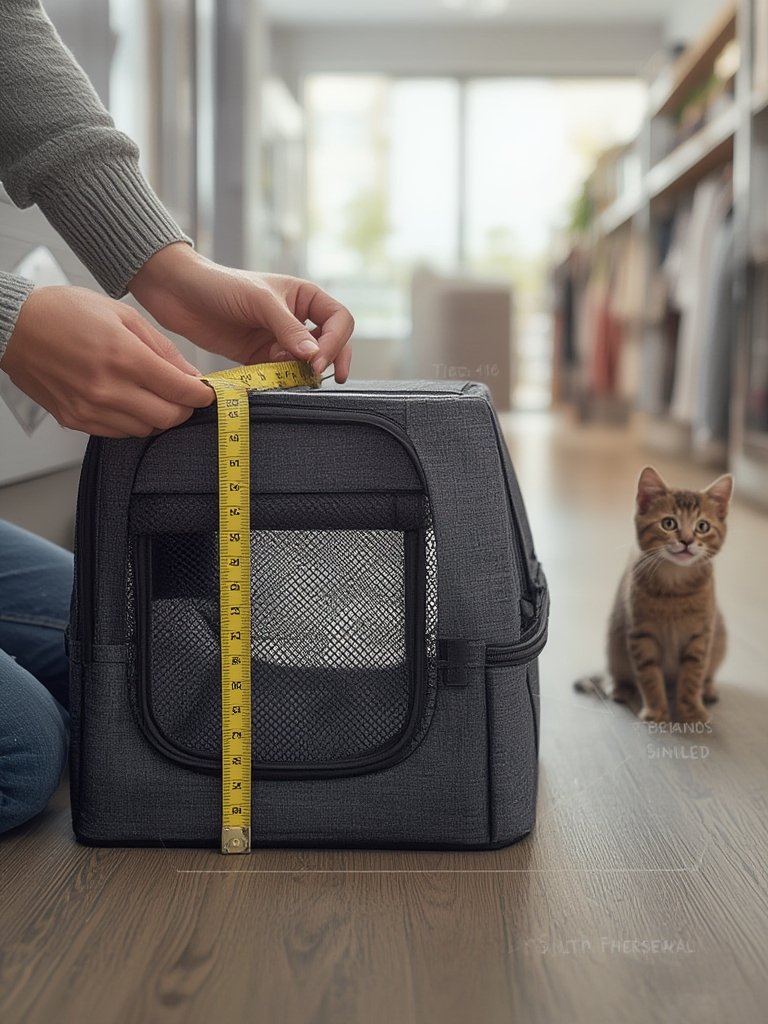
- Measure the manufacturer’s stated “closed” (not expanded) outside dimensions—do this yourself, not just by label.
- Fully collapse and zip every expansion panel so the carrier is in its airline mode.
- Simulate squeezing the carrier from the top/side to fit under a hard box or shelf of the height and width you measured (e.g., 11 inches high for American, 8.5 for JetBlue).
- Check: can you collapse gently until it fits, without distorting the walls, crushing ventilation, or stressing zippers?
- Take photos of the carrier closed, next to a ruler, and (if possible) inside a small folding box or luggage bin of the right size for documentation.
American and most airlines explicitly allow soft-sided or expandable carriers if they “fit without excessive force.” Test at home to avoid a last-minute surprise at the gate.
- Document your results. Keep photo proof on your phone, and have a printout of the airline’s policy and the carrier’s spec sheet to show any gate agent.
- If you ever feel pushback, being able to show your collapse test process, plus photos of fit, will usually tip things in your favor.
Looking for expert advice on other pet comfort essentials? Our best cat toys for indoor cats guide covers daily enrichment and boredom prevention during travel downtime.
Comfort, breathability and safety — what to evaluate (expandable vs standard soft-sided)
Choosing the best airline pet carrier (expandable or not) is about more than just dimensions—it’s about your pet’s in-flight well-being. Here are the three must-evaluate areas:
Comfort
- Soft padding, ample bedding and especially a removable/washable liner are critical.
- Expandable zones can give extra stretch/headroom at the airport, but when closed, make sure there’s no crowding.
Breathability
- Airlines require mesh panels on three or more sides. Some expandables lose side ventilation when the panels are folded—avoid these.
- Look for robust mesh that won’t collapse onto your pet’s face or paws.
Safety
- All zippers must lock or firmly close to prevent escape.
- Reinforced base inserts protect against sagging or tilting. Test for flex—overly “soft” expandables can bow down and make pets nauseous.
- Shoulder and luggage straps should be sturdy enough for rushing through airports.
Choose a carrier with strong structural support, especially if you prefer expandable models.
Measured fit for your pet — using IATA sizing + airline maxes
A carrier that meets airline maximums is not “well-fitted” for every pet. IATA container sizing, commonly cited by airlines, helps ensure actual comfort and reduce travel stress.
- Length: Measure your pet from nose to tail root (A) plus half their front leg length (B). Carrier interior should be at least (A + ½B).
- Width: Measure the width at the widest point (C), double it for interior carrier width.
- Height: Measure from ground to top of head or ear tip (D), add bedding thickness—carrier should at least match (D + bedding).
Compare these numbers to the closed carrier interior size—but also make sure the outer closed dimensions stay under your airline’s “max.”
- If your IATA-fit carrier is too big for the airline max, select a different model—don’t risk crowding (or getting denied at check-in).
- If your pet is much smaller than airline max, choose petite models—they prevent sliding and provide reassurance.
Want more practical animal measurement advice? Visit our guide on sizing and care for small animals and reptiles.
Top three recurring pain points buyers face with expandable cat carriers (and how to avoid them)
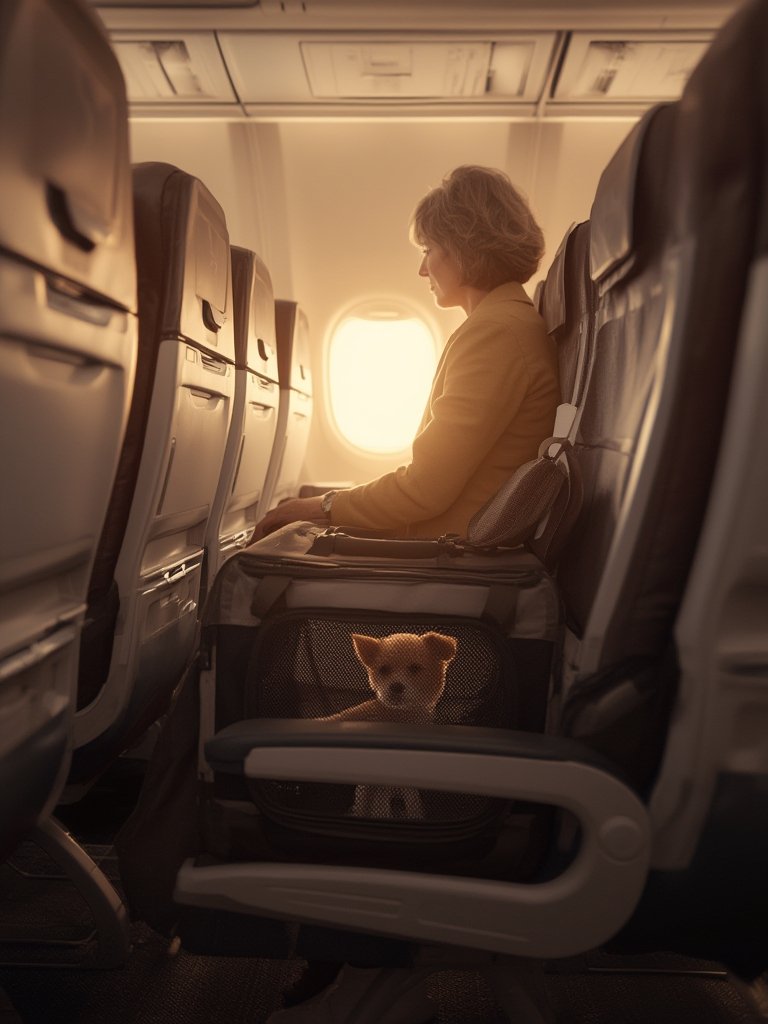
- Carriers that meet “listed” max dims but won’t fit under real seats: Always check both the published airline rule and the real seat space (window, bulkhead, and small jets may be 1-2 inches less). Never rely on the marketing description alone.
- Expandables that lose structure or ventilation when collapsed/expanded: If you can only reach the max size by “crushing” the carrier, airlines may refuse it. Fully zip close and then gently squeeze—does it hold up without losing interior comfort or key ventilation? Avoid carriers where mesh sides disappear or “pop in” when folded.
- Poor padding or floor support: If the base insert is flimsy, your pet will sag or slouch when moved. Look for thick, inflexible base panels, and test them by loading books or weight before letting your pet try.
These steps will help you avoid the biggest pitfalls and travel confidently with a soft sided expandable pet carrier.
For further tips on supporting your pet’s comfort before and after your trip, see our post comparing automatic litter box solutions for stress-free litter changes.
What policy and product guides often miss (3 high-impact gaps to address)
- Aircraft-specific under-seat space differences: Most guides list only the airline’s general max—rarely mentioning that seat-to-seat variations may leave you with less space (e.g., regional jets, window seats). Always reference your actual plane’s layout.
- Repeatable “collapse-testing” before you buy: Many competitor roundups never describe the test. Do your own: measure, fit, document. This simple step can prevent “gate heartbreak.”
- Pet-based (IATA) sizing vs. airline compliance: Buy to fit your pet, not just the airline number. If in doubt, prioritize comfort by measuring your pet and verifying the carrier works for both policies and real-life needs.
By using these three practical filters, you’ll avoid almost all of the common disappointments with an airline approved cat carrier.
Price, materials and durability — how to evaluate (and a buyer’s checklist)
Airline-approved pet carriers range from $50 up to $250, but price doesn’t always mean durability. No published durability scores exist—so check for these features:
- High-denier nylon fabric (at least 600D or above) for abrasion resistance
- Water-resistant coating, well-stitched seams, reinforced base panel (no cardboard-only inserts—they collapse!)
- Quality mesh panels (tough, not floppy or loose)
- Dual zippers with locking heads for escape resistance
- Removable, washable liners—preferably plush and absorbent
- Warranty of at least one year or a 30-day “no fit, return” policy
Considering airlines may charge $99 (Frontier) up to $125 or even $150 (Delta, United, American) for a one-way cabin pet fee, investing in a reliable soft sided expandable pet carrier pays off quickly.
Looking after your pet’s hydration is important—explore our cat water fountain guide for healthy travel hydration tips.
Gate strategy and documentation — what to show airline/TSA if questioned
Occasionally, a gate agent or TSA screener may challenge your expandable carrier’s fit. Here’s how to handle it:
- Keep a quick-access folder on your phone: photos of your carrier next to a ruler, document of the carrier’s “closed” specs, and printout or link to the airline’s own pet carrier policy.
- If challenged, show your carrier closed/fully collapsed, and calmly demonstrate that it slides under a template (carry a small folding box or plastic bin of the airline-specified size for proof if you worry about tight fits).
- Have your pet’s IATA-based measurements handy, demonstrating that your pet fits and can stand, turn, and lie inside the carrier comfortably.
- Refer to Delta’s rule: carrier doors must be secured at gate/boarding area (never leave mesh panel unzipped).
Politeness and clear documentation almost always resolve edge-case disputes without stress.
Model recommendation approach (how we’ll pick the finalists in a product roundup)
When we publish our product roundup, we’ll use these criteria to select the best airline pet carrier options:
- Verified collapsed (closed) dimensions meet top airline maximums and real-world under-seat fit, using physical “collapse tests.”
- Ventilation on 3+ sides, with strong, crush-resistant mesh that stays open when expanded or stowed.
- Padding, removable liner, and reinforced base for pet comfort and support.
- Secure zippers, shoulder/luggage straps, and overall build quality.
- Ease of cleaning, warranty or fit guarantee, with user-friendly return policy.
Note: Since no comparative durability or user complaint data was found in airline policy or review aggregators, we will physically test each available model and document results for our shortlist—no “best of” without real evidence.
Quick buyer’s checklist (final decision flow)
- Measure your pet using IATA method (A, B, C, D)
- Check planned airline(s)’ closed carrier dimensions—use the tightest rule for your itinerary
- Verify the carrier’s closed size meets (or is just under) those limits
- Perform your home collapse-test as described above
- Ensure mesh stays ventilated on all sides and padding is removable/washable
- Confirm warranty/return policy before buying (especially for expensive carriers)
Carriers must fit under seat when closed, be ventilated on at least 3 sides, and let pets stand and turn naturally—don’t settle for less.
FAQ: Airline Approved Pet Carrier Expandable
Are expandable pet carriers allowed on major airlines?
Yes—expandable soft-sided pet carriers are allowed by major airlines as long as they collapse and zip closed to meet the airline’s under-seat maximum dimensions during boarding, taxi, and takeoff. Airlines do not allow you to use the expanded space during these times.
How do I handle a multi-airline or international itinerary?
Always follow the most restrictive airline’s sizing rules for your entire trip. For international flights or code shares (e.g., connecting Air Canada and United), use the smallest published maximum for all legs.
What if my aircraft changes after I buy my ticket?
Aircraft swaps happen. After booking, monitor your reservation for changes. Before day of travel, check seat maps and confirm under-seat space again. Consider having a backup compact carrier if your chosen model is a tight fit.
What fees should I expect for in-cabin pet travel?
Most U.S. airlines charge $99 to $150 per flight leg for in-cabin pets. These fees are per carrier, per journey, and are non-refundable. Airline policies and fees may change, so confirm before booking.
Do TSA agents decide if my carrier is allowed onboard?
No—TSA only screens your pet and carrier for security. Final approval of your carrier’s size and fit is always made by airline check-in and gate agents per their published requirements.
Conclusion and Call to Action
The secret to hassle-free pet travel is never relying on a product label alone. Measure your pet using IATA guidelines, collapse-test your airline approved pet carrier expandable to make sure it fits every airline you’ll fly, and always document your prep. Choosing comfort over the biggest legally allowed size not only protects your pet—it protects your peace of mind.
Download our printable carrier collapse-test checklist and get notified first when we publish our hands-on shortlist of the best airline pet carrier expandable options for 2024.
If you found this guide useful, check out our
crash-tested dog car seat safety guide
for your next road trip!
—