

pet friendly ice melt is one of the most confusing winter purchases for responsible dog owners, and for good reason: product labels rarely match what’s actually safe for pets, with many formulas still leaving your dog at risk for burns, irritation, or worse. In this guide, you’ll get straight answers on which ingredients matter, the “pet-safe” claims worth ignoring, and exactly how to minimize paw and ingestion dangers—plus short, actionable buying and usage checklists to keep your pets truly safe.
Key Takeaways
- “Pet-friendly” ice melt labels often don’t guarantee true safety; ingredient lists and third-party testing matter most.
- Chloride-based ingredients like calcium chloride, magnesium chloride, and sodium chloride can still harm your dog’s paws and health, even in “paw safe salt” blends.
- Always use the minimum amount needed, wipe paws after walks, and check for third-party tested products with clear ingredient lists.
- Why “pet-friendly” labels aren’t a guarantee
- The real risks — ingredients that commonly harm dogs
- What “safe” formulas do differently (and what they still don’t eliminate)
- How to read ingredient lists and labels (quick checklist)
- Testing, certifications, and what actually exists (and what doesn’t)
- Pricing: are dog-safe deicers more expensive? (how to justify the cost)
- Recalls and safety alerts — what the record shows (2022–2024)
- How to use ice melt safely (best practices to protect paws and pets)
- Short product vetting checklist (one‑page buyer’s checklist)
- FAQs + quick answers (top transactional concerns)
- Bottom line and recommended next steps
Why “pet-friendly” labels aren’t a guarantee
Most shoppers assume a “pet friendly ice melt” is proven, tested, and gentle on paws and health. Reality? The “pet-safe” stamp is not standardized—it’s used for everything from reduced-chloride to ordinary salt with a coat of dye. Many well-known “pet-friendly” brands still rely heavily on chlorides (including calcium chloride, sodium chloride), which are established paw and GI tract irritants.
Marketing language such as “non-toxic” and “safe for pets” typically lacks backing by public third-party lab results or regulatory certification. For example, “Safe Paw claims 100% pet-safe… but lacks cited third-party tests,” while “No specific laboratory test results or certifications for toxicity/skin irritation are detailed for major pet-friendly brands.” (source).

Bottom line: always look past the front label. Only ingredient transparency and credible, independent test results indicate a safer formula.
The real risks — ingredients that commonly harm dogs
The core hazards in so-called “calcium chloride pet safe” and “paw safe salt” products aren’t always removed. Here’s what to look for:
- Calcium chloride: Can cause rapid paw dryness, cracking, irritation, or outright burns. Ingestion (from licking paws or fur) commonly causes vomiting, diarrhea, drooling, and lethargy in dogs. Not safe for ingestion or routine paw contact.
Research quote: “Calcium chloride… poses high risks to dogs’ paws (dryness, cracking, burns, irritation) and health (toxicity if ingested…).” (source) - Magnesium chloride: Less corrosive, but still risky—upsets the GI tract, can be dangerous for pets with kidney disease.
- Potassium chloride: Linked to hemorrhagic diarrhea and vomiting if ingested. Not appropriate where pets regularly contact treated areas.
- Sodium chloride (“rock salt”): Directly irritates and dries out paws, can be toxic even in small amounts if licked off fur/paws.
- Propylene glycol: Safer for dogs than ethylene glycol, but potentially dangerous to cats, causing hemolysis (a red blood cell disorder).
Symptoms to watch for after exposure: increased licking or chewing at paws, limping, red or raw paw pads, excess drool, vomiting, diarrhea, or lethargy. Even “pet friendly” ice melts can trigger these reactions if not formulated properly.
For further pet health protection, see our full guide to dog care tips.
What “safe” formulas do differently (and what they still don’t eliminate)
Most “dog safe deicer” or “ice melt for concrete safe for pets” formulas use non-chloride blends or reduced-chloride mixes. These products attempt to lower the corrosive, irritant effect on paws and surfaces. However, almost none are fully salt-free—ingredients may still irritate if overused or allowed to linger on paws.
Research notes: “Sources emphasize unaddressed nuances like varying safety of ‘pet-safe’ claims… and lack of entirely risk-free deicers due to salt content.” (source).
Key tradeoffs of these formulas:
- Less corrosive and gentler on surfaces (good for concrete, driveways).
- Often more expensive per pound or application.
- May break down ice more slowly, especially in extremely low temperatures.
- Still present possible GI and paw risks if used in excess or not cleaned off promptly.
No “safe ice melt for dogs paws” is truly risk-free. Responsible use and ingredient awareness are critical.
How to read ingredient lists and labels (quick checklist)
When comparing “pet friendly ice melt” or “dog safe deicer” options, use this quick checklist:
- Avoid: Calcium chloride, magnesium chloride, sodium chloride, potassium chloride listed high on the ingredient list.
- Safer alternatives: Urea, calcium magnesium acetate (less harsh but still not edible), beet juice blends (may stain surfaces), or proprietary non-chloride blends—always confirm safety data.
- Be skeptical of:
- “All-natural,” “non-toxic” claims not backed by public third-party laboratory testing or certifications.
- No ingredient list or only “proprietary blend” language (skip these).
- Green coloring as a sign of “pet-safe” (just a marketing tactic, not actual evidence).
- Prefer: Brands citing EPA guidelines, independent lab test results, or detailed safety data. “CP Industries products meet EPA guidelines and are third-party tested for pet/vegetation safety, pavement gentleness.” (source)
Testing, certifications, and what actually exists (and what doesn’t)
The landscape of credible product testing and certifications for safe ice melt for dogs’ paws is murky—most “pet-friendly” claims aren’t backed by public data. Here’s what you need to know:
- No major brand currently publishes laboratory toxicity or skin irritation tests on their retail product pages, even if they broadly claim “100% safe.”
- For example, Safe Paw claims complete safety but lists no third-party test results. “No specific laboratory test results or certifications for toxicity/skin irritation are detailed for major pet-friendly brands.”
- Some formulas (CP Industries) are “third-party tested” and claim to meet EPA vegetation and pet safety guidelines. These are preferable—but always ask to see the actual report if paying a premium.
Don’t assume any “safe ice melt for dogs paws” formula is perfect—optical “green” labelling isn’t enough. Public, independent lab data should be a must for future buyers.
Pricing: are dog-safe deicers more expensive? (how to justify the cost)
More evidence-based, pet-focused “dog safe deicer” products usually cost more than basic salt, but exact “2024 price differentials” aren’t available in published research. Still, for buyers like Sarah—who prioritize safety, clear ingredient lists, and genuine performance—they’re often worth it, especially if you have dogs, children, or specialty concrete surfaces.
Sample Pricing* (March 2024, online retail):
- Safe Paw, 35 lb container: $44–$55
- CP Industries Pet Friendly Ice Melt, 25 lb bag: $30–$40
- Standard rock salt, 50 lb bag: $10–$18
- Magnesium chloride blend, 50 lb bag: $25–$33
*Sample pricing reflects late-winter market averages and can change with retailer and region. These are market samples, not definitive averages due to lack of published comparative reports.
For smaller areas or extra paw safety, using less is always better—combine spot-treating with physical removal (shovel, scraper) for both budget and pet health.
For pet parents concerned about value and health, consider re-routing regular winter walks and investing in dog paw cleaner cup (see: dog paw cleaner cup guide).
Recalls and safety alerts — what the record shows (2022–2024)
According to recent research, “No product recalls for pet-friendly ice melt brands from 2022–2024 are mentioned in the search results.” (source).
This is generally good news, but does not mean all products are risk-free or properly tested. Brands may still quietly change formulas or labels, so it’s smart to periodically check:
- The manufacturer’s website for updates or advisories
- USDA, FDA, or CPSC recall databases in the US
- Veterinary hospital news (like this resource) after major weather events
As with any pet product, mistakes in storage or misapplication (using too much, failing to wipe paws, product substitution) drive most incidents rather than mass product recalls.
How to use ice melt safely (best practices to protect paws and pets)
Using even the “safest” ice melt for dogs’ paws demands a careful routine from every pet owner. Here’s a practical, step-by-step guide:
- Shovel and scrape as much snow and ice as possible before applying any product.
- Treat only necessary walkways with a “paw safe salt” or dog-safe deicer, following label amounts exactly.
- Keep pets and kids off freshly treated areas until the surface is dry or ice dissolved/rinsed away.
- After walks or yard time, wipe each paw thoroughly with a damp cloth or use a gentle dog paw cleaner cup (see: our guide).
- Store ice melt in a locked cabinet well away from pets and children.
- In case of accidental ingestion or severe irritation: rinse paws with warm water immediately, and call your vet if symptoms continue (vomiting, limping, burns, or excessive drooling).
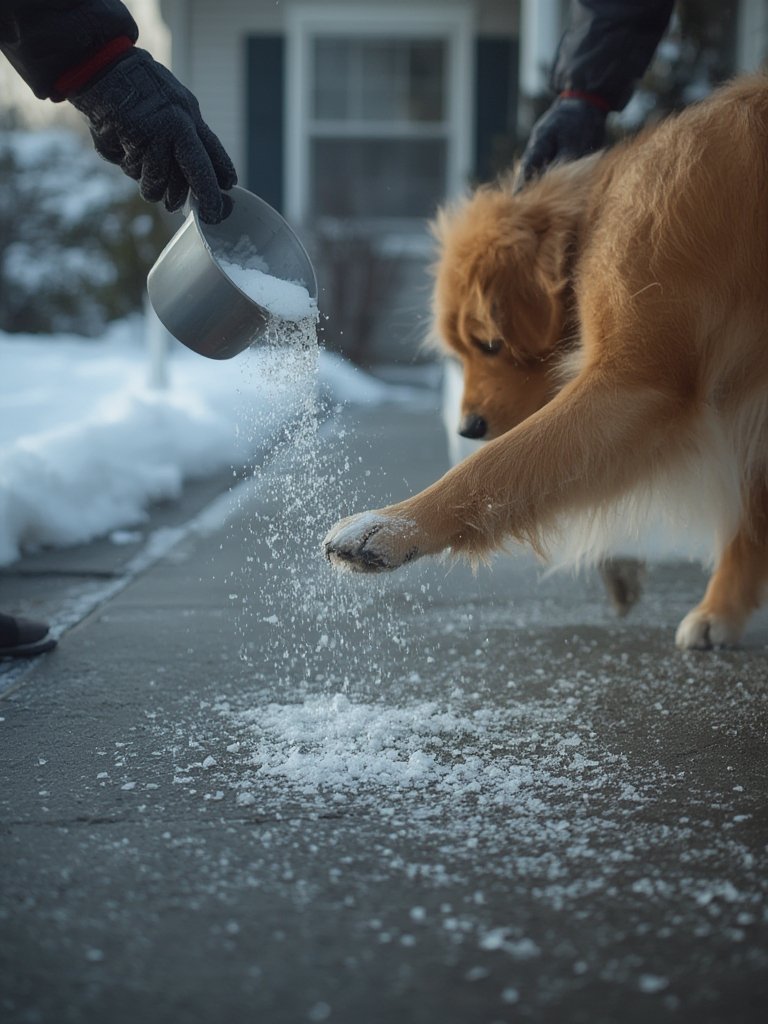
Remember: “Calcium chloride… causes dryness, cracking, burns, irritation; ingestion can cause vomiting, diarrhea, drooling, lethargy.” (source) Take any signs of irritation seriously.
- Rinse paw pads right away with lukewarm water (never hot).
- Apply a pet-safe “paw balm” if available.
- Discourage licking and put on a soft sock or bootie.
- Consult your veterinarian if skin is raw, bleeding, or your dog is limping or lethargic.
Short product vetting checklist (one‑page buyer’s checklist)
- Key ingredients to AVOID: Calcium chloride, magnesium chloride, sodium chloride, potassium chloride at the top of the label.
- Preferred certifications: EPA guidelines met, independent laboratory test results, third-party “pet and vegetation safety” certifications.
- Review checks: Look for recent user reviews noting puppy/dog paw irritation or illness, and check community boards for specific product complaints.
- Pricing expectations: True dog safe deicer costs $30–$50 per 25–35 lbs (see above for market samples); basic salt <$20/bag. Don’t pay more unless seeing true test data.
- Safe storage/use tips: Store out of reach. Sweep up excess crystals after ice melts. Always wipe all paws, even after “pet-friendly” use.
Sources note general pet owner concerns with “pet-safe” products, including persistent risks from chlorides like calcium chloride causing paw irritation and gastrointestinal issues even in formulations claiming safety.
Want to learn more about safe, healthy routines for your dog? See our complete dog care guide and tips for restoring gut health after winter GI upsets.
FAQs + quick answers (top transactional concerns)
Is any ice melt 100% safe for dogs?
No. Even the best “pet friendly ice melt” is not risk-free—use the minimum amount, watch for irritation, and prefer formulas with safe ingredients and independent lab tests.
How soon after ice melt is applied can my dog go outside?
Wait until the ice melt has fully dissolved and surfaces are dry. Then wipe paws after every walk, regardless of “pet-safe” claims.
Are there non-chemical alternatives for slippery sidewalks?
Yes. Use sand, pet-safe traction grit, or heated mats instead of deicers in small areas. These options eliminate chemical exposure.
What symptoms should I watch for after possible ice melt exposure?
Limping, licking/chewing at paws, redness, vomiting, diarrhea, drooling, lethargy, or raw skin. For any of these, rinse paws and contact your vet.
How many pets are injured by ice melt each year?
No specific percentage of reported pet injuries during winter attributed to non-pet friendly ice melt products is available in 2024 data. Most injury reports are anecdotal, but paw and GI irritation are regularly seen in vet clinics.
Bottom line and recommended next steps
Choosing the best pet friendly ice melt comes down to prioritizing clear ingredient lists and third-party testing over marketing claims. Approach even “dog safe deicer” products as potentially risky—always use the lowest effective dose, build daily paw-care routines (wipe, clean, monitor), and opt for brands that supply real lab data or meet EPA/independent safety guidelines. As research says, “No specific laboratory test results… detailed for major pet-friendly brands,” yet “CP Industries… meet EPA guidelines and are third-party tested.”

Ready to act? Compare at least three vetted products, check for independent lab test reports, and implement the one-page buyer’s safety checklist above for every winter purchase. For more on maintaining your dog’s wellbeing at home, check out our dog care guide and review comfort solutions for every season.