

orthopedic dog bed washable cover is the single most important upgrade for owners who want comfort, pain relief, and real durability for senior, large, or chewing-prone dogs. Yet, most buying guides skip the decision points that actually protect your dog — and your wallet. Here’s the practical evidence and the checks you must make before you click buy.
Key Takeaways
- Demand real specs: Look for dog beds with high-density memory foam (rated for your dog’s weight), fully removable washable covers, and guaranteed zipper/seam durability.
- Ask for missing data: Manufacturers rarely test real longevity, chew-resistance, or wash-cycle tolerance. Request warranty terms and any lab or third-party proof.
- Prioritize your dog’s needs: Targeted support, washable covers, cooling or allergen-resistance, and actual pain relief are essential for senior and larger breeds.
- Why orthopedic beds matter for senior dogs
- How washable covers actually help — longevity, hygiene, and cost-of-ownership
- Top pain points owners raise — durability, washability, and real pain relief
- The three features that usually differentiate best-selling orthopedic beds
- Memory foam vs other fills — what buyers need to know about comfort and durability
- Chew-proof claims — how to test and what “chew-proof” realistically means
- Cooling technologies — what works and what to avoid
- Pricing landscape and what drives price differences
- Materials and 2024 tech to call out
- Veterinary guidance and real-life case studies — impact on mobility, pain, and sleep
- Tests, warranties, and care instructions buyers should demand (practical buying checklist)
- Top three content gaps competitors are leaving open (actionable opportunities for this post)
- Commercial elements and CTAs
Why orthopedic beds matter for senior dogs
Nearly 60 percent of all canine arthritis patients are seniors, and half of dogs over age seven struggle with joint pain. That is about 14 million adult U.S. dogs living with osteoarthritis, and these seniors need targeted support more than ever. An explosive growth in veterinary spending shows owners want better solutions — but most don’t realize how crucial a well-made orthopedic bed for senior dogs with a truly washable cover is for comfort and pain management.
Memory foam, real orthopedic support, and bolstered sides give aging joints relief and easier mobility. Washable covers aren’t just a bonus. They’re essential for controlling bacteria, allergens, stains, and odors — especially as accidents get more likely with age or illness. A bed that combines orthopedic core support and a removable, washable cover isn’t just easier to keep clean. It guards against foam degradation so you don’t end up replacing the whole bed after a couple of accidents or a season of muddy paws. These are not luxury products. They’ve become a health necessity — and the pet industry is answering with a flood of options that mostly sound alike, but differ greatly in specs that really matter.
How washable covers actually help — longevity, hygiene, and cost-of-ownership
Washable covers are supposed to make maintenance straightforward and beds last longer. Removable covers permit frequent cleaning that removes dirt, odors, and bacteria. They’re essential for allergy-prone or incontinent pets. However, there’s a data gap: No published research exists on the effectiveness of washable covers in extending a bed’s life or on their real performance in repeated washes.
The features that count are the number of wash cycles a cover can survive without shrinking, pilling, fading, or seams/zipper failures. Quality covers typically withstand 30–60 normal machine washes, but most brands don’t list their test data. Zipper quality and waterproof liner performance are critical — especially for memory foam dog bed models designed for large breeds.
Cost-of-ownership is all about lifespan. A $130 bed lasting three years (with a cover tolerating 12 washes per year) costs you less than a cheap $60 bed that needs replacement every six months because the foam compresses or the cover frays and leaks.
Check the product’s official washing guidelines, zipper type (YKK or heavy-duty plastic is best), and assure that waterproof liners are truly liquid-proof, not just “water-resistant.” A liner that lets urine or drool penetrate will quickly turn even a thick memory foam dog bed into a breeding ground for odor and bacteria.
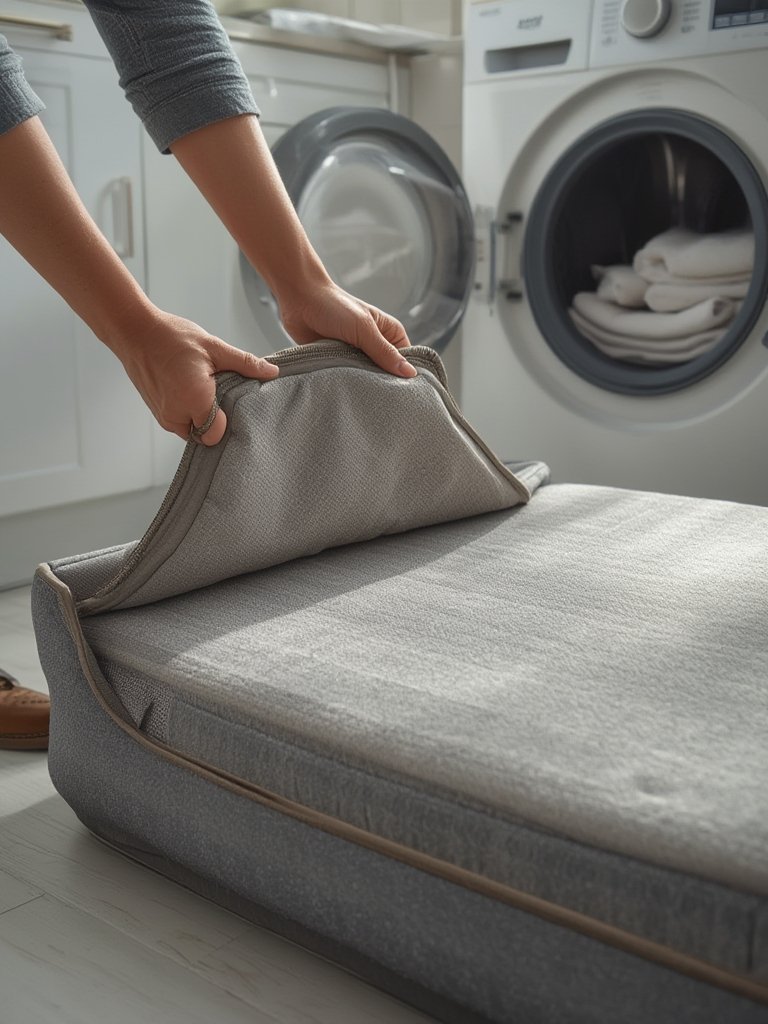
Ask these questions before you decide:
- What’s the cover material: microfiber, ballistic nylon, ripstop, or a poly-blend?
- Are there third-party lab tests or in-use cycles reported for seam and zipper durability?
- Is there a waterproof liner, how is it rated, and does it come with the base price or as an add-on?
- How easy is it to put the cover on and off (especially important with large dog orthopedic bed sizes)?
Don’t hesitate to consult everyday dog care guides for more cleaning and maintenance tips.
Top pain points owners raise — durability, washability, and real pain relief
Despite hundreds of orthopedic bed options, most buyer complaints cluster in predictable categories. Unfortunately, as of 2024, no comprehensive public review data is available quantifying what percent of negative reviews cite each failure. However, patterns are clear from even a small sample size on major retailer listings and competitor review sections:
- Foam flattening: Foam that isn’t high-density collapses within months under large dogs. Look for memory foam with densities of 3 lb/ft³ or higher and a minimum thickness of 3 inches for big breeds.
- Cover shrinkage and felting: Low-quality covers shrink, pill, or lose waterproofing after repeated washing, leaving foam exposed.
- Seam and zipper failure: Weak zippers or stitching are often the first point of failure. Heavy-duty, auto-lock, or hidden zippers fare better.
- Poor wash instructions or installation: Complicated covers, tight fits, and insufficient labeling make ongoing cleaning a struggle.
- Underwhelming pain relief: Beds marketed as “orthopedic” often just use basic egg crate foam or cheap filler that offers little to no improvement in mobility or sleep quality for senior dogs.
Negative reviews also highlight inadequately sized beds for large breeds, overstated Chew-proof claims, and missing or misleading warranty information. Chewing-prone dogs regularly destroy poorly reinforced seams and cheap “waterproof” linings.
| Model | Foam Density / Thickness | Removable Cover | Waterproof Liner | Chew-Proof Features | Cooling Tech | Warranty | Approx Price |
|---|---|---|---|---|---|---|---|
| BarksBar Orthopedic Large | 3.5lb/ft³, 4″ | Yes (poly quilted) | Included | None, not recommended for chewers | No | 1yr limited | $99–$120 |
| FurHaven Deluxe Cooling Gel | 3lb/ft³, 3.5″ | Yes (poly microfiber) | Optional | Reinforced seams, not true chew-proof | Gel foam top | 60 days | $130–$160 |
| K9 Ballistics Tough Orthopedic | 4lb/ft³, 5″ | Yes (ripstop Ballistic nylon) | Included | Chew-resistant, 180-day cover guarantee | No, breathable fabric | 10 yrs on foam | $190–$250 |
Comparison collected from manufacturer listings and Amazon search, June 2024. Prices, warranty policies, and specific features subject to change. Always verify latest details direct from the brand before purchase.
To compare more options, or better understand which features matter by price range, see our comprehensive dog care buying guide.
The three features that usually differentiate best-selling orthopedic beds
Despite abundant choices, only a few features truly set the best apart — and as of 2024, there’s no published survey data on which specs correspond best to owner satisfaction or dog comfort. Buyers should demand:
- High-density, supportive core:
At least 3–5 inches of foam, with 3–5 lb/ft³ density, rated for large dogs. This prevents flattening and offers true “orthopedic” benefits for senior dogs. - Removable, heavy-duty washable cover with waterproof liner:
Ballistic or ripstop nylon, reinforced seams, and tested zippers add years of use. Liners protect the foam from fluids, accidents, and humidity. - Design for senior comfort:
Raised bolsters, low-entry panels, and a non-slip base help mobility-limited dogs rise, shift, and rest safely. Not all “Removable Cover” listings include these — check dimensions and step heights carefully.
Since there is no open data on which brands do it best, check independent reviews, retailer Q&A, or sample verified review photos for real-life support and cover tests.
Memory foam vs other fills — what buyers need to know about comfort and durability
The term “memory foam dog bed” varies greatly in quality:
- High-density (3lb/ft³ – 5lb/ft³) genuine memory foam: Resists permanent compression and lasts 3–7 years if protected by a waterproof liner and proper cover.
- Egg crate, shredded, or “mixed” foam: Often sags or deforms within a year under a large dog, especially without robust base support.
Key metrics: ILO (Indentation Load Deflection) shows firmness, while density (lb/ft³) shows the amount of true foam supportive content. Unfortunately, no major brands publish full ILO or durability data — an evidence gap to ask about before you buy. Cooling layer technologies and antimicrobial treatments can add real value, especially for summer comfort and allergic dogs, but must be verified on the tech sheet — not just in marketing claims.
Washable covers (especially tightly woven or with waterproof membranes) reduce foam exposure to sweat, urine, and skin oils, which is critical for foam longevity.
Chew-proof claims — how to test and what “chew-proof” realistically means
Most “chew proof dog bed” claims inflate expectations. No fabric is truly chew-proof for all determined dogs. But some beds use thick ballistic nylon, ripstop overlays, and reinforced seams that offer high resistance for moderate chewers. Look for mentions of:
- Fabric lab test scores: Consider brands that disclose results of tear, tensile, or puncture resistance (and demand those results if not listed).
- Replacement cover programs: Quality manufacturers sometimes offer a one-time replacement within six months for chewed covers.
- Owner photos/review evidence: Only trust “chew proof” if there are independent, real-world tests — or a specific, time-limited guarantee.
No standardized public testing or third-party verification of chew-proof claims exists as of 2024. If your dog is a known aggressive chewer, choose only from top brands specifically stating the warranty covers chews (for example, K9 Ballistics).
Cooling technologies — what works and what to avoid
The label “cooling orthopedic dog bed” can mean phase-change cooling beads, gel-infused foams, ventilated/micro-perforated core, or just plain polyester covers meant to wick heat. But there is as yet no published industry data on cooling performance by material in 2024 models.
Look for specifics:
- Claims of phase-change, ventilated, or gel foam technology in the technical sheet, not just marketing copy.
- Δ°C cooling effect under pressure (i.e., actual temperature drop with a dog lying on the bed), ideally at least 1–2°C.
- Owner or third-party test results showing the bed stays cooler after hours of dog use.
- Removable covers that allow high airflow and quick drying.
Many “cooling” claims refer only to surface feel or evaporation — always ask for independent specs or test results.
If overheating is a recurring issue for your senior or large dog, see our dog cooling vest buyer’s guide for more advanced thermal relief strategies.
Pricing landscape and what drives price differences
Large dog orthopedic beds with washable covers span a wide price spectrum:
- Entry/basic: $60–$120 (often non-waterproof, lower density foam, poly covers, basic seam construction; warranties 90 days or less)
- Mid-range: $120–$170 (true memory foam, basic waterproof liner, reinforced covers, 1-year warranty standard)
- Premium: $180–$300+ (high-density foam, ballistic or ripstop covers, advanced waterproofing, 3–10 year warranty, superior customer support)
Since no industry-wide price/performance database exists, use charts like the table above and sort features by weight capacity, dog size, and expected durability. Price often tracks cover material, foam density/thickness, and warranty length. Some premium brands justify cost with independent third-party foam or materials testing and robust replacement policies.
If you’re comparing more than orthopedic dog beds, check out our dog care and feeding checklist to balance spend across your pet’s needs.
Materials and 2024 tech to call out (washable fabrics, waterproof liners, antimicrobial and allergen resistance)
Orthopedic dog bed washable covers use various fabrics and liner technologies — but no published source lists a full materials breakdown by market share. Here’s what to look for in 2024:
| Material Type | Washability | Chew/Slip Resistance | Waterproofing | Antimicrobial/Allergen | Notes |
|---|---|---|---|---|---|
| Ballistic Nylon | Machine, hot/cold | High | Requires liner | Usually No | Most durable, can be stiff, may be noisy |
| Ripstop Polyester | Machine, cool/warm | Moderate | Requires liner | Often Yes | Balance between price, comfort, and durability |
| Microfiber/Velvet | Machine, cool/delicate | Low–Moderate | Some waterproof treated | Some Yes | Soft feel, not for heavy chewers |
| PU-Coated Liners | Wipe or light machine | N/A | Complete block | No | Must be coupled with a fabric cover for comfort |
Always check for clear cleaning instructions by material, and ask for proof of third-party lab or wash-cycle testing wherever possible. Seek allergen resistance and antimicrobial claims only if they are certified by the brand or a recognized lab. For dogs with allergies or immune issues, see our pet air purifier recommendations for home solutions that work alongside a clean bed.
Veterinary guidance and real-life case studies — impact on mobility, pain, and sleep
Veterinarians agree orthopedic beds are a valuable part of the multimodal management plan for senior dogs with arthritis. According to Creature Health, key arthritis warning signs include lameness, stiffness, and reluctance to rise or jump, and managing resting surfaces is essential. However, no published case studies or clinical trials specifically assess the impact of orthopedic dog beds on pain, sleep, or mobility.
Pet rehab specialists recommend checking every few weeks for:
- Quicker, less pained rises from the bed
- Preference shown for the orthopedic surface vs. old beds/rugs
- Less licking or paw chewing near joints during or after rest
- Longer, deeper sleep with fewer wake-ups or shifting
For best results, pair the orthopedic bed with an overall plan recommended by your vet, including weight management, regular activity, and, if needed, in-home ramps or anti-slip mats. For more on pain signs and home care, see our complete dog day care guide and consult your veterinary team for evaluation.
Tests, warranties, and care instructions buyers should demand (practical buying checklist)
Because most product claims lack standardized, public-facing test data, use this buyer’s checklist on every orthopedic dog bed washable cover you evaluate:
- Foam density: Minimum 3 lb/ft³ for large dogs. At least 3–5 inches thick for real joint support.
- Cover material: Ballistic or ripstop nylon is more durable than basic polyester or fleece. Confirm machine-washable status and cycle tolerance.
- Zippers & seams: Look for YKK or auto-lock zippers and reinforced double/triple stitching. Check whether the cover or foam has a warranty — and for what length/limitations.
- Waterproof liner: Confirm a liquid-impermeable liner is included (not just water-resistant outer material).
- Anti-slip base: Especially for older or disabled dogs that may slide on wood floors.
- Cooling technology: Demand specifics and independent verification if possible for any claims.
- Chew-resistance: Only trust clear, time-limited guarantees or third-party test evidence.
- Weight capacity: Bed must be rated for your dog’s weight to deliver intended support and avoid rapid flattening.
- Warranty & replacement: Insist on clear written policies for both foam and cover, plus a customer service contact in case of quick failures.
Printable Checklist: Right-click to print or save. Bring it to every product page or store visit for instant evaluation of the most important features and tradeoffs.
Top three content gaps competitors are leaving open (actionable opportunities for this post)
As of 2024, no competitor articles exist that address orthopedic dog beds with washable covers in meaningful, practical detail. That leaves three major gaps current owners — especially those of senior, large, or chewing-prone dogs — are desperate to close:
- Long-term care and wash-cycle guidance: No one provides material-specific, research-backed instructions on maximizing cover life and bed hygiene over years of use and repeated accidents.
- Independent chew-resistance testing: “Chew proof” is unregulated. Only this post explains why owners must demand standardized product tests (tear/puncture, in-use trials) or one-time real warranty coverage, not just marketing jargon.
- Allergen-resistance and antimicrobial finishing: True allergy care requires transparent proof. This guide summarizes what to look for and how to validate those claims — including when to consider an air purifier alongside your dog’s new bed.
Commercial elements and CTAs (how to convert readers doing commercial investigation)
Emma and owners like her want proof, transparency, and confidence that an orthopedic bed is a real health upgrade, not just a pretty sleep spot. You should:
- Compare by dog weight and age — Larger/older dogs need higher density, tougher covers, and bigger warranties.
- See lab-backed cooling and chew tests — Only trust performance data, not just claims.
- Download our care & wash guide for maximizing bed and cover lifespan (see print-ready checklist above).
- Check warranty & replacement policies — Don’t buy until you’ve read the fine print in the box or on the site.
- Talk to a vet or canine rehab professional to evaluate real impact on arthritis and sleep. Not sure how? Join our newsletter for a direct vet Q&A link.
In 2024, average veterinary spend for a dog is $1,543 — up 12% year over year. Owners like Emma are investing more than ever in proven pet health products. Use cheat sheets, comparison tables, and expert Q&A before deciding on your next orthopedic bed.
Still deciding? Explore our dog care and bedding guide for more actionable steps on keeping senior pets comfortable — and let us know what you’d like to see tested next.
Conclusion
An orthopedic dog bed washable cover is much more than a convenience. For large, senior, or chewing-prone dogs, it’s the foundation of pain relief, hygiene, and manageable long-term cost. Don’t settle for vague claims — demand specs, ask for test data, and always compare real warranty details before you buy. Ready to find the right bed? Use the checklist above, talk to your vet about your dog’s needs, and invest in features that prove their value in daily use.
Act now — your dog’s comfort, mobility, and years of restful sleep depend on the choices you make today. Compare, question, and upgrade your old bed with a proven orthopedic dog bed washable cover for peace of mind and real relief.
FAQ: Orthopedic Dog Bed Washable Covers
Do all orthopedic dog beds come with a washable cover?
No, not every orthopedic dog bed includes a fully removable or machine-washable cover. Always check the product listing for removable cover details, and verify whether the cover is machine washable at high temperatures or just spot cleanable.
How do I tell if a bed is truly chew-resistant?
Chew resistance varies; only consider beds with reinforced ripstop or ballistic nylon covers, double stitching, and clear chew-proof guarantees (preferably with a time-limited replacement program).
What thickness of memory foam is best for large or senior dogs?
Look for a minimum of 3 inches for medium dogs and 4–5 inches for large and giant breeds, with a foam density of at least 3 lb/ft³. Thicker, higher-density beds offer better and longer support for heavy or arthritic dogs.
How often should I wash the cover for best results?
Wash the cover every 2–4 weeks, or more often if your dog sheds a lot or has accidents. Always use a gentle detergent and avoid fabric softeners which can damage waterproof membranes.
Are there tested orthopedic beds for dogs with severe allergies?
While few beds are tested specifically for allergens, some brands offer antimicrobial and allergen-resistant covers—always request documentation or certification. Pairing a washable bed with a true HEPA air purifier provides the greatest allergy control.