

For busy dog owners, a dog paw cleaner cup can dramatically cut down post-walk cleanup time and save your floors from mud. But how effective are they—and what should you really look for to avoid messes and wasted money? If you’re after a portable, proven way to keep your dog’s paws (and your home) clean, read on for an evidence-aware, no-nonsense guide. We’ll cover what works, what doesn’t, and how to choose the right model for your needs, with links to credible research and actionable tips.
Key Takeaways
- Dog paw cleaner cups save time and reduce household mess after walks—especially for urban owners and city dogs.
- Consider cup size, material (silicone vs plastic), and ease of maintenance; anti-splash locks and ergonomic models are a must for speed.
- No direct studies prove they outperform wipes or towels, so use small home tests to check real results on your dog.
- Why a dog paw cleaner cup can save you time after walks
- Who should buy a portable dog paw cleaner (and who shouldn’t)
- What to look for in a dog paw cleaner cup — features that matter
- Materials comparison: silicone vs plastic — pros, cons, and durability
- How effective are paw cleaner cups vs. wipes/towels/baths?
- Typical complaints and how to avoid them
- Price expectations and how to choose by budget
- Recent tech & design advancements (last 2 years)
- Maintenance, cleaning, and hygiene best practices
- Top three user questions competitors often miss
- Quick buyer’s checklist
- Short FAQ
Why a dog paw cleaner cup can save you time after walks
Dog paw cleaner cups are engineered for fast, convenient dog paw cleaning after walks. Their main advantage is speed—simply add water, insert your dog’s paw, twist, and dry in seconds. Unlike towels that move dirt around or full baths that take forever, these cups pull mud and debris away from the paw pads, helping reduce dirt tracked into your entryway. Designed to be portable, they’re ideal for post-walk use, especially in urban apartments where every minute and clean surface counts.
Recent industry tracking reports explosive growth for these tools, valued at $320 million in 2024 and expected to double by 2033 (MarketIntelo). This surge is fueled by rising pet ownership and a broad hygiene focus, especially among city dwellers.
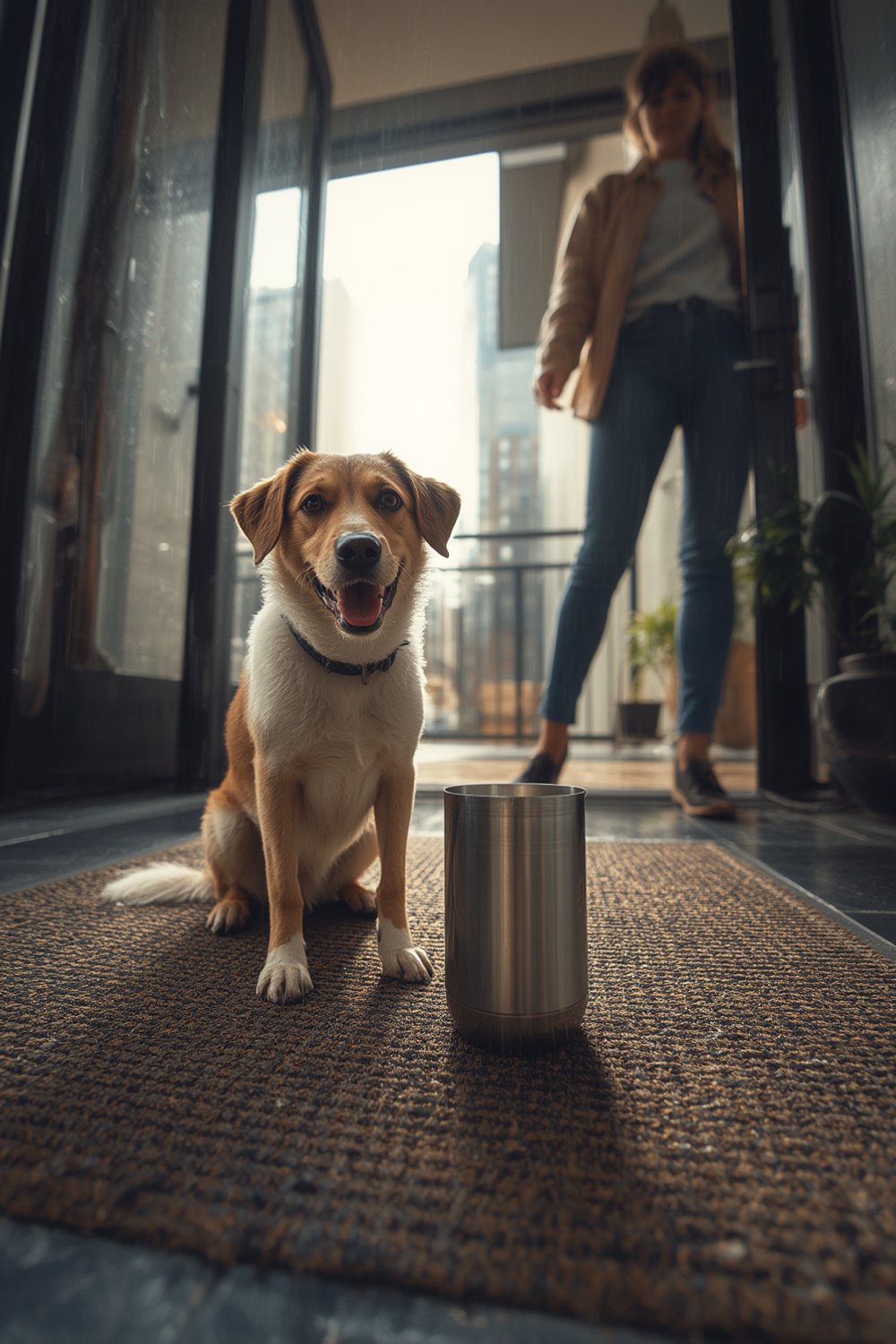
In summary: Use a cup for rapid, basic paw clean-up after most outdoor walks, but stick with a full bath for severe mud, mats, or when deeper cleaning is needed.
Who should buy a portable dog paw cleaner (and who shouldn’t)
A portable dog paw cleaner is best for:
- Busy urban owners who walk dogs on sidewalks, parks, or muddy routes daily.
- Owners of small to medium breeds—cups are most effective on paws that fit snugly but easily into the device.
- Dogs with average fur and no chronic paw conditions.
Less ideal for:
- Very large breeds (giant paws may not fit many standard cups).
- Dogs with long, heavily matted fur—these may trap debris, needing more than a rinse.
- Pets with open sores or medical issues—consult your vet before use.
North America alone holds 38% of the global paw washer market, so city dog owners are leading adopters. If you match that profile, a cup can truly streamline your routine.
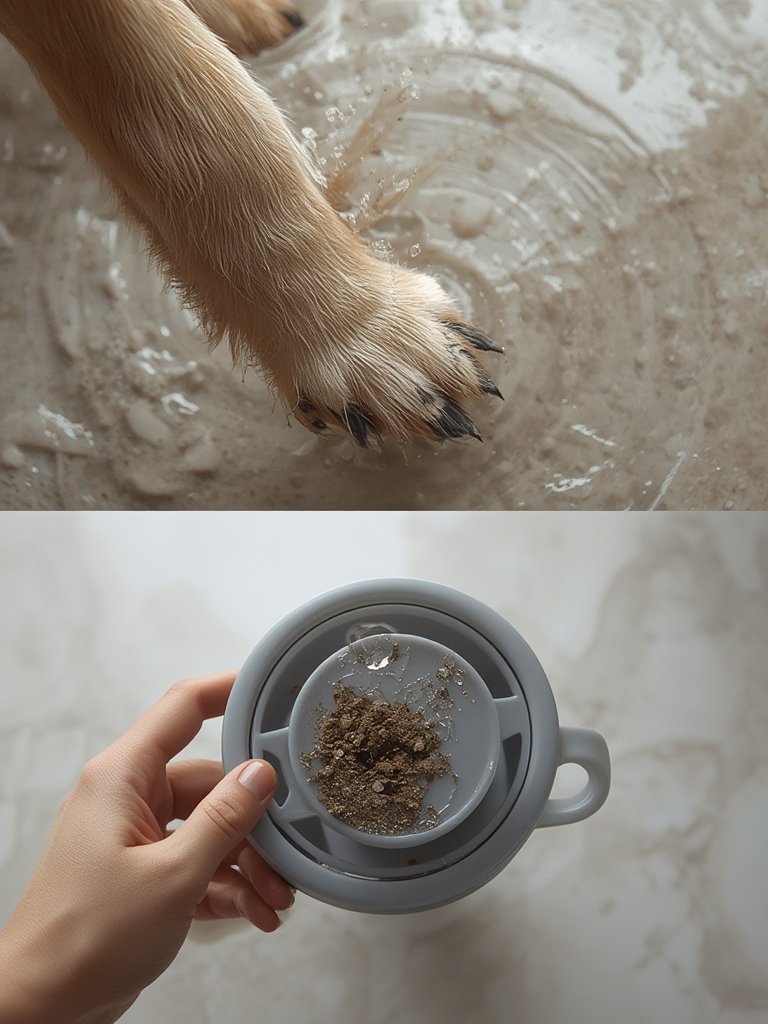
What to look for in a dog paw cleaner cup — features that matter
Choosing the right cup means less mess, faster cleaning, and more convenience. Build your shortlist with these critical features:
- Paw Opening & Size: Measure your dog’s paw width and ensure the opening will fit—snug, but not tight. Medium-capacity models fit most small and medium breeds and accounted for 47% of 2024 unit sales.
- Material: Choose between silicone (softer, grippier) or plastic (lighter, cheaper)—see below for the full comparison.
- Anti-Splash Design: Look for lids and tight seals to prevent mess during use.
- Brush/Insert Quality: Removable, ergonomic inserts make cleaning easier and adapt to different paw shapes.
- Cleaning Method: Most cups are manual, but battery-powered (automatic) options are emerging if you need a hands-free solution.
- Ease of Cleaning: Removable inserts, smooth surfaces, and dishwasher-safe parts cut down maintenance time.
- Portability: Compact, lightweight designs suit commuters or those with limited storage.
Recent product innovations highlight ergonomic handles, modular inserts, and models that balance easy cleaning with speed. Prioritize real user convenience over clever marketing extras.
For broader dog care planning in city life, check out our dog daycare guide.
Materials comparison: silicone vs plastic — pros, cons, and durability
| Feature | Silicone Paw Cleaner | Plastic Paw Cleaner |
|---|---|---|
| Grip & Gentleness | Softer, flexible; gentler on paws, better for sensitive skin | Rigid; can be harsher, especially on long walks |
| Cleaning Power | Brushes reach deep but can trap some dirt or odor | Smoother, easier rinse, but may not scrub as well |
| Durability | Holds up, but may degrade or trap odors if not cleaned/dried well | Generally more durable, but prone to scratches or cracking |
| Cost & Segments | Usually mid-range to premium (materials/pricing segmented) | More budget options available, but quality varies widely |
According to market research, “no average price range” is available, but material tends to dictate whether a model is positioned as budget, mid-range, or premium.
For a deeper dive into cleaning and materials for pet gear, explore our automatic litter box guide.
How effective are paw cleaner cups vs. wipes/towels/baths?
Manufacturers claim cleaner cups remove mud faster and more thoroughly than towels or wipes, with less mess. Unfortunately, no robust studies directly compare cups to basic towel, wipe, or bath methods (see research report). So, effectiveness will vary depending on dog, dirt type, and technique.
Here’s a practical one-minute home test:
- Clean one paw with the cup, one with a towel, one with a wipe, and one with nothing—then compare paws and surface cleanliness after a short indoor walk.
- Watch for skin irritation after repeated use, especially with silicone inserts.
Choose your approach based on what works for your dog—not just marketing claims.
Typical complaints and how to avoid them
Despite the popularity, users can encounter real issues with muddy paw cleaner devices. Here are the biggest pain points—and proven ways to avoid them:
- Incomplete Cleaning: Cup too small, insert too short, or water not changed between paws. Solution: Measure your dog’s paw; use clean water for each paw in heavy mud.
- Splash or Mess: Poor seal or aggressive twisting causes leaks. Solution: Buy models with anti-splash locks and operate gently.
- Hard to Clean Device: Non-removable inserts or awkward seams trap hair and dirt. Solution: Only buy fully disassemblable models—check product images closely before purchase.
- Poor Seal/Durability: Cheap models crack or leak. Solution: Check runtime reviews for repeated durability or sealing issues.
- Wrong Size: Too large: water escapes. Too small: dog resists use. Always measure paw width (include the fur!) before buying.
Market research shows buyers crave user-friendly, portable solutions that “minimize maintenance,” suggesting these pain areas are top priorities for ongoing design improvements (MarketIntelo).
For more ways to reduce hassle after walks, see our dog cooling vest guide for outdoor solutions.
Price expectations and how to choose by budget
2024 reports offer no average price ranges or direct brand-to-brand cost comparisons across materials, but the market splits into budget, mid-range, and premium tiers (CognitiveMarketResearch):
- Budget: Basic plastic cup, fixed insert; good for rare use or very small dogs, but often skips splash protection and comfort.
- Mid-Range: Most popular; usually silicone-brush, improved lids, removable inserts, and better ergonomics.
- Premium: Modular design, multiple sizes, splash-proof sealing, ergonomic grip, and sometimes powered cleaning (battery/electric).
Decision-making tip: If you use a cup after every walk and want fast, low-mess cleanup, mid-range or premium (with modular insert and anti-splash lid) is usually worth it. Consider a powered model only if you regularly clean multiple dogs or need extra cleaning help.
Recent tech & design advancements (last 2 years)
The newest dog paw washer models showcase features tailored for fast, flexible, and hygienic use:
- Ergonomic handles and grip-friendly shapes for speed and comfort.
- Smart Features: Some advanced models now include water-fill indicators, counting cycles, or even automatic water ejection (rare in 2024, but on the rise).
- Modular and Adjustable Inserts: Adapt brushes and openings for small or large paws within the same device, ideal for multi-dog families.
- Type Options: Manual twist, automatic, battery-powered, or even electric models are all available, so you can pick based on your cleaning style.
Choose the newest designs if you value fast transitions or deal with multiple dogs—modern options cut down hassle and increase willingness to use after every walk.
If you’re interested in advanced cleaning tech for other pets, explore our cat water fountain guide.
Maintenance, cleaning, and hygiene best practices
Keeping your portable dog paw cleaner in top shape is simple, but skipping steps breeds odor (especially with silicone brushes):
- After each use, disassemble the cup and rinse all parts under hot water.
- Allow everything to air dry—don’t close it up wet, or you risk mold and smell.
- Sanitize with a pet-safe cleaner or vinegar weekly, especially if you walk in high-mud or dog-park areas.
- Replace silicone inserts every 3-6 months or if heavily stained.
- Store dry in a well-ventilated area or travel pouch if you carry it on the go.
Data shows households drive 68% of market revenue and prefer medium-size models (47% share), meaning most buyers expect hassle-free regular maintenance (MarketIntelo).
Check out tips for other reusable pet gear in our guide to low-tracking tofu cat litter.
Top three user questions competitors often miss
- Does a paw cleaning cup really beat towels/wipes in time and cleanliness?
In typical use, cups can clean muddy paws in under a minute per paw—wipes and towels may take the same amount of time but leave more residue behind. But exact results vary. Try cleaning one paw with each method after the same walk and compare floor dirt after 10 indoor steps. - How do I properly size a cleaner cup for my dog’s paw width and hair?
Measure the widest part of your dog’s paw, including fur, and compare it to the listed opening size. For dogs with heavy mats or fluffy paws, pick an adjustable or modular insert model—static brushes can snag or miss deeper gunk. - What’s the trick to long-term hygiene with reusable silicone brushes?
Always dry inserts fully between uses, disinfect regularly, and replace at first sign of odor or slime buildup. Avoid storing in sealed plastic while wet.
No other guides directly address all three, but innovation is moving toward even more adjustable, ergonomic solutions (see research report).
Quick buyer’s checklist
- For the commuter with a small dog: Pick a compact, silicone-brush cup with a secure lid; look for leak-proof designs.
- Family with multiple dogs (varied sizes): Go modular—get a mid-size rechargeable or battery-powered model with adjustable inserts.
- Frequent hikers or muddy parks: Choose a robust, anti-splash premium model with extra inserts for quick replacement on the trail.
- Home-only users (one or two medium dogs): A mid-range, manual cleaner with ergonomic grip and dishwasher-safe parts usually strikes the best balance.
Remember: 47% of sales are medium-capacity and 68% are for household use (MarketIntelo), so medium models will suit most typical urban dog owners best.
Short FAQ
Will a portable dog paw cleaner cup fit my dog?
Measure your dog’s front paw at its widest point, including fur, and compare with the model specs. Medium cups fit most small/medium breeds; large breeds need an XL model.
Can it really stop muddy paw prints in my home?
Yes, if used properly and paws fit the device. Wipe dry after cleaning for best results. Results vary by how muddy and hairy your dog’s paws are.
How do I clean a muddy paw cleaner after use?
Rinse all parts, dry fully, and disinfect weekly. Replace silicone inserts as needed to prevent odor or mold.
Is a silicone or plastic paw cleaner better?
Both work: silicone is gentler and better for sensitive paws; plastic is lighter and cheaper, but can be less durable or comfortable.
Is it worth buying vs using wipes?
For regular muddy walks, yes—a cup saves time, uses less waste, and is more thorough. Try both at home to see which works best for your dog’s paws and lifestyle.
Conclusion
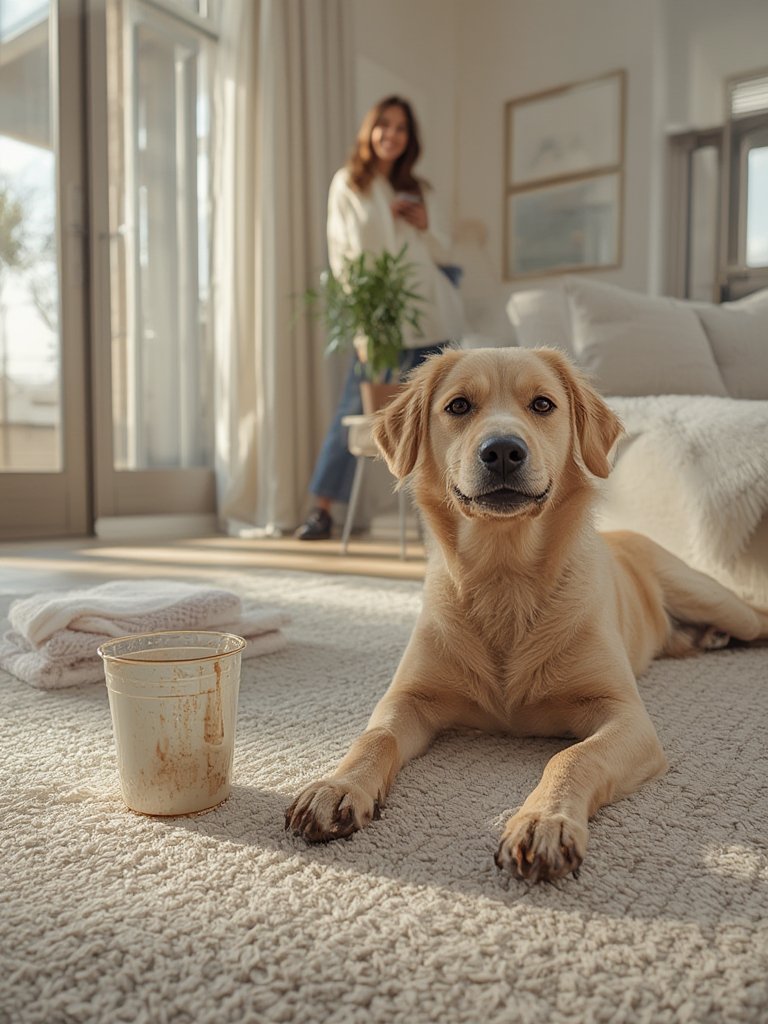
If you’re a busy city dog owner, a dog paw cleaner cup offers a real chance to keep walks stress-free and your home much cleaner. These cups are simple to use, portable, and—when you buy the right one—can cut your post-walk cleanup routine in half. Measure carefully, focus on materials and design, and don’t forget to maintain it for long-term value. Take action, run your own quick comparison test, and enjoy cleaner paws and a cleaner home starting this week!
For more practical urban pet gear guides, explore our in-depth resources on odor-free litter boxes and training alternatives.