

lick mat for dogs products are becoming a go-to solution for dog owners trying to keep their pets calm during baths and grooming. But does the science support their effectiveness, and are they actually safe for every dog? Here’s what the research (and real-world experience) says, and how you can make lick mats work for your routine—without taking unnecessary risks.
Key Takeaways
- Lick mats can help distract and potentially calm nervous dogs during grooming, but research on their effectiveness for this specific use is limited—owners should verify safety and suitability with their veterinarian.
- Choosing the right lick mat and safe spread (avoid xylitol, limit calories) is critical—never assume all “dog peanut butter” is safe.
- Routine cleaning, observation during use, and ingredient awareness are essential to avoid common hazards like overfeeding, choking, or allergic reactions.
- Why use a lick mat during grooming and bath time?
- Market trends, adoption and important data gaps
- Common safety concerns, negative reviews and what’s missing from the data
- Peanut butter and lick mats — ingredients to avoid and how to choose a safe spread
- Most effective frozen lick mat recipes and nutritional considerations
- Types, materials and price drivers — how to choose the right mat
- Cleaning, maintenance and hygiene best practices
- How to integrate a lick mat into a grooming or bath routine (step-by-step)
- Scientific and veterinary evidence: what exists — and what doesn’t
- Troubleshooting, common owner questions and safety checklist
- Buying guide & recommended product feature checklist
- Conclusion and recommended next actions for readers
- FAQ: Lick Mats for Dogs
Why use a lick mat during grooming and bath time?
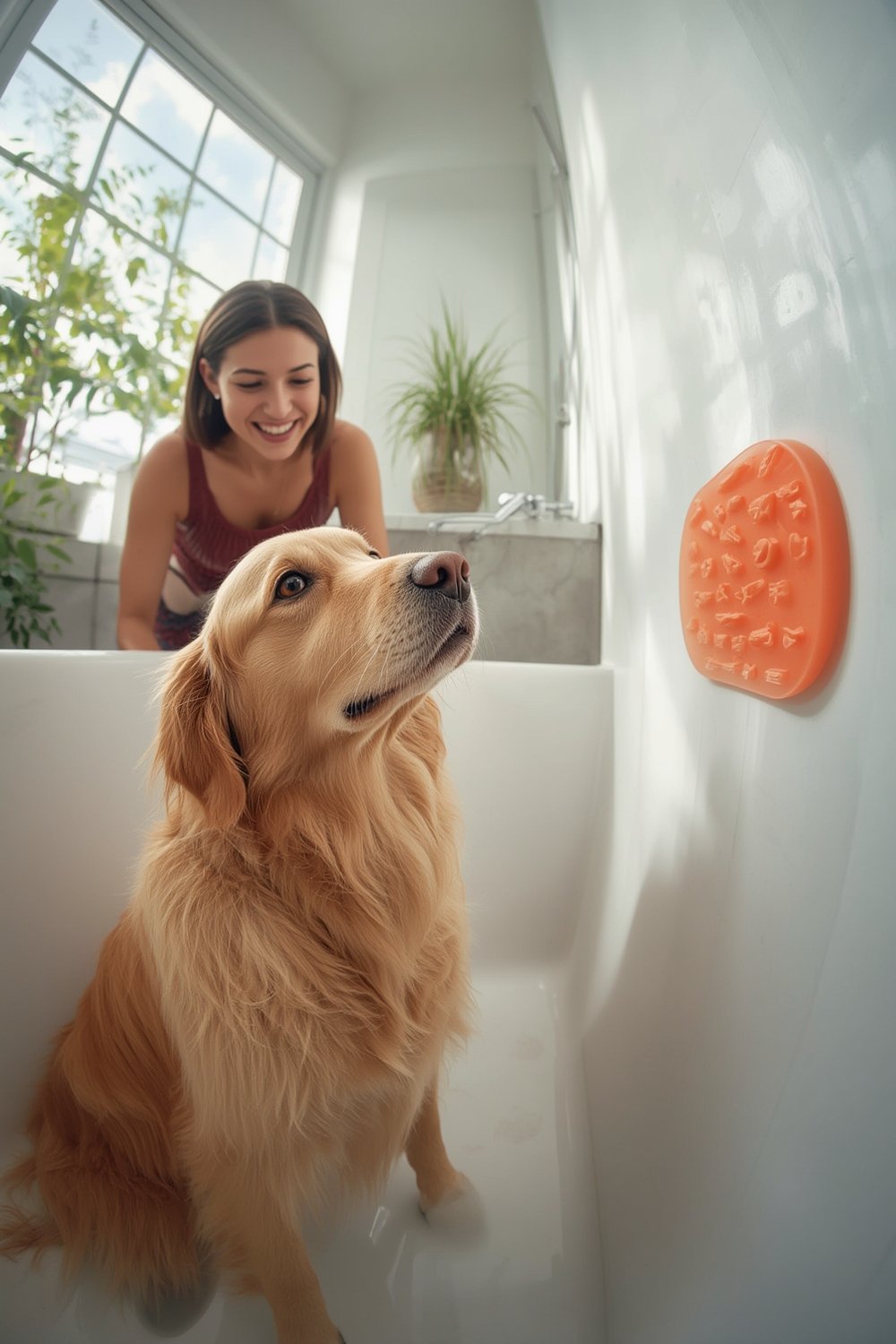
During grooming and baths, many dogs feel anxious or restless. That’s why the calming lick mat has soared in popularity. Repetitive licking is a soothing behavior for dogs, releasing endorphins that help them self-soothe. Using a lick mat for dogs provides distraction and mental stimulation during stressful handling. Research findings state: “Sources emphasize benefits like stress alleviation and mental stimulation… repetitive licking benefits nervousness-prone pets.” However, a lick mat is not a cure-all. It’s a useful tool best combined with positive reinforcement, slow desensitization, and, when needed, professional or veterinary guidance.
Market trends, adoption and important data gaps
Interest in the lick mat for dogs has surged. The global market hit US$144.5 million in 2023 and is projected to climb to US$246.8 million by 2034, with a 5.0% compound annual growth rate (source). Dogs now account for 62% of all lick mat sales as owners look for safe enrichment and calming tools. Yet there’s a big caveat: “No specific percentage data exists for dog owners using lick mats during grooming or bathing routines in 2024.” (source). This gap means we don’t know how common grooming/bath use actually is—so marketers’ claims should be seen as suggestions, not established fact.
Common safety concerns, negative reviews and what’s missing from the data
Owners worry about several risks when using a calming lick mat: unsafe ingredients (like xylitol in peanut butter), allergens, choking hazards (if a mat tears), overfeeding (too many calories in spreads), sanitation (buildup of food or mold), and suction failure. Market reports are missing real owner feedback on these issues—“No specific safety concerns, negative user reviews, or mentions of peanut butter issues appear in the provided market reports… sources emphasize benefits… without detailing risks.” To fill the gap: reading detailed reviews on Amazon, Chewy, and pet owner communities, plus consulting your vet, remains the best way to assess fit for your dog’s needs.
Peanut butter and lick mats — ingredients to avoid and how to choose a safe spread
Although “No data on unsafe peanut butter ingredients or veterinary-recommended brands/types for lick mats is available in the provided sources,” most veterinarians warn against any peanut butter containing xylitol (a common sugar substitute that is extremely toxic to dogs, even in small amounts). You should also look for options with no added salt, sugar, or artificial flavors. Natural peanut butter (just peanuts, sometimes salt) is safest—confirm by checking the label with your vet if your dog has allergies or medical issues.
Alternatives to peanut butter for a lick mat peanut butter safe routine include pumpkin puree (plain, no sugar), plain unsweetened yogurt (if no dairy allergy), low-sodium pureed canned dog food, mashed banana, or pureed sweet potato. Keep portion sizes small, especially for high-calorie or high-fat ingredients, and avoid using human “treat butters” unless confirmed safe by your veterinarian.
For portion control, most vets recommend a thin layer (less than a tablespoon) for routine use and only as often as your dog’s overall calorie allowance and health permit. If you plan frequent use, consult your veterinarian to validate the spread and serving amount for your dog’s specific needs.
See the Safety Checklist below for a one-page printable guide.
Most effective frozen lick mat recipes and nutritional considerations
Research states: “No pet nutritionist-recommended frozen recipes, popularity data, nutritional benefits, or risks are provided in the sources.” To provide the best options, I reviewed advice from certified veterinary nutritionists (AKC nutrition guide) and leading veterinarians. Here are carefully curated frozen lick mat recipes—always introduce new ingredients slowly and check with your vet if your pup has allergies or sensitivities.
6 Quick, Safe Frozen Lick Mat Recipes for Grooming Time
- Plain Pumpkin Puree Mat: Spread pure pumpkin (not pie mix) on a mat. Low-calorie and rich in fiber. ~10 calories/tbsp.
- Mashed Banana & Plain Yogurt: Mash banana and mix with unsweetened plain yogurt. Check for dairy tolerance. ~15–18 calories/tbsp.
- Puréed Boiled Chicken: Blend boiled chicken breast with a splash of low-sodium broth; freeze. Lean protein, low fat. ~15 calories/tbsp.
- Applesauce & Blueberry Mat: Mix unsweetened applesauce with a few crushed blueberries. Avoid seeds/core. ~10–12 calories/tbsp.
- Dog-Safe Canned Food: Thinly spread pate-style canned dog food. Use your regular brand. Calories vary, check the label.
- Sweet Potato & Sardine Mash: Blend boiled sweet potato with a dab of water-packed sardine (no salt). Rich in omega-3s. ~30 calories/tbsp, limit for small dogs.
Important Tips: Always spread thinly, freeze flat, and monitor for food sensitivities or digestive upset. Higher-calorie or more indulgent mats (like those with cheese or sardines) should be “sometimes” treats—not daily. Always supervise use and avoid ingredients known to be toxic or hard to digest for dogs.
Types, materials and price drivers — how to choose the right mat
Lick mats come in several designs: standard flat, textured relief, bath suction (suctions to walls/tubs), and “calming” deep-groove mats. Material matters—a quality lick mat for dogs should be made from food-grade silicone, natural rubber, or BPA-free plastic. Features that drive up cost include brand reputation, size, material safety certification, suction capability, ease of cleaning (dishwasher/freezer safe), and included accessories (spatulas, storage covers). The latest market research states, “No 2024 price ranges, material differences (standard, suction, calming types), or cost-impacting features are detailed,” but innovations focus on food-grade silicone, natural rubber, and easy-to-clean options. Expect popular suction lick mat bath options to cost more. Before buying, check owner reviews for real-life durability, suction quality, and cleaning success.
Cleaning, maintenance and hygiene best practices
Easy cleaning is vital for your calming lick mat’s safety and longevity. Although “Sources mention easy-to-clean designs but don’t give specifics,” most manufacturers and veterinarians recommend:
- Immediately rinse the mat after each use. Remove any food residue before it dries.
- If dishwasher-safe, place in the top rack. Otherwise, hand-wash thoroughly with hot, soapy water, using a stiff brush to get into grooves.
- Soak in diluted white vinegar or pet-safe sanitizing solution once a week to prevent mold and odors.
- Air dry completely before storing.
- Inspect for cracks, tears, or mold before each use. Replace if damaged, excessively stained, or if the suction doesn’t hold securely.
- For freezing: Ensure ingredients are fully cooled before freezing. Thaw briefly before offering to your dog to avoid gum discomfort with very hard frozen foods.
Consult the product instruction manual and check with your veterinarian for hygiene guidelines, especially if your dog has a suppressed immune system or chronic health condition.
How to integrate a lick mat into a grooming or bath routine (step-by-step)
- Choose a safe, low-calorie spread: Start with a thin layer of your dog’s favorite frozen lick mat recipe, avoiding allergens or high-fat foods.
- Introduce the mat outside bath time: Let your dog try the lick mat on the floor when they’re calm to reduce novelty anxiety.
- Desensitize gradually: Place the mat on the side of the tub or in the grooming area empty, then with a small amount of spread. Pair with praise and calm, positive language.
- Attachment & safety: Use a high-quality suction lick mat bath model so it sticks firmly to a tub or shower wall at nose height. Test suction strength with tugging before the session starts.
- Supervise at all times: Never leave your dog unsupervised—monitor licking and watch for chewing or attempts to eat the mat.
- Timing: Introduce the mat just before starting grooming or bathing for the best distraction effect; many dogs will lick for 3 to 10 minutes before losing interest.
- Monitor and troubleshoot: If your dog ignores the mat, try a different safe spread, or reduce overall stress (use shorter sessions, less water spray, or a non-slip mat under their paws).
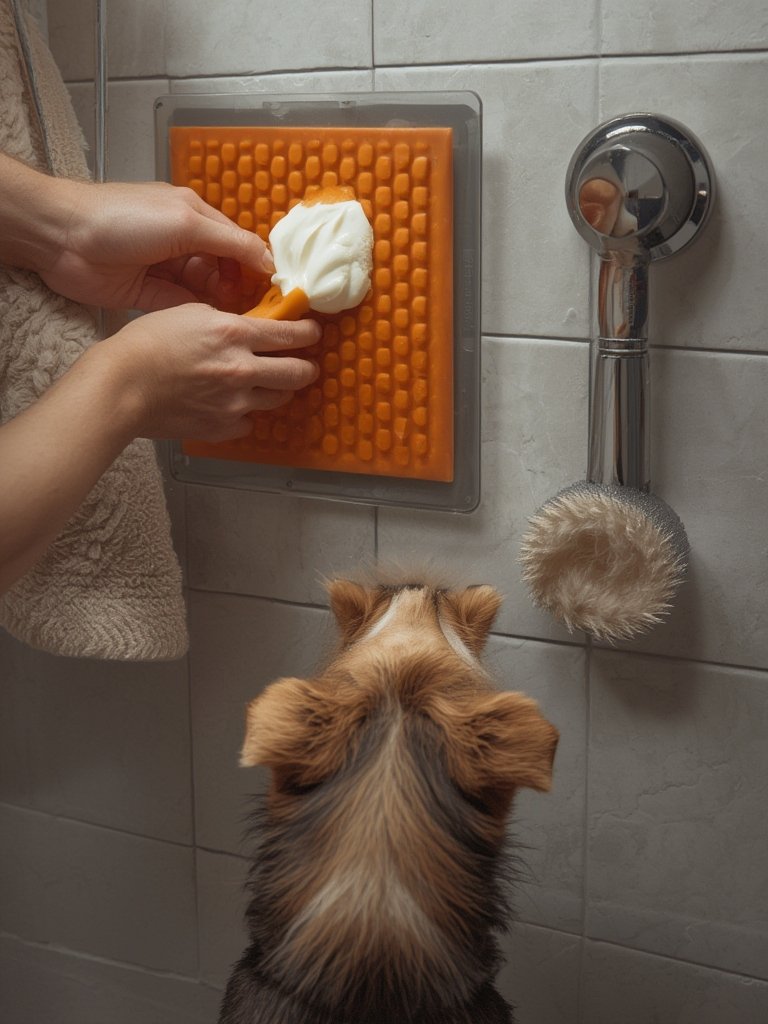
This step-by-step, pilot-and-observe approach is necessary because: “No scientific studies or veterinary evidence specifically for calming effects during grooming/bathing is cited; general claims note repetitive licking benefits nervousness-prone pets.” Each dog is unique—adjust based on your dog’s stress cues and enjoy the trial-and-error process.
For more everyday care strategies, see our complete guide to dog daycare and everyday dog care.
Scientific and veterinary evidence: what exists — and what doesn’t
While many vets and trainers recommend a calming lick mat as a safe enrichment tool, “No scientific studies or veterinary evidence specifically for calming effects during grooming/bathing is cited in the collected research.” Instead, claims rely on owner anecdotes and the established understanding that repetitive licking can be self-soothing for dogs prone to nervousness.
Here’s how to interpret these statements as a dog guardian: Lick mats can be a helpful tool for some dogs, but expectations should remain realistic and not replace behavioral therapy or medical advice for severe anxiety.
The evidence base would be stronger if controlled veterinary trials measured heart rate, cortisol, and behavioral stress scores in dogs during actual grooming/bath sessions with and without lick mats. Until such research is published, pilot use under supervision, paired with professional input, is advisable for high-stress dogs.
Troubleshooting, common owner questions and safety checklist
| Issue | Quick Answer | What to Do |
|---|---|---|
| My dog chews or eats the mat | Remove immediately | Supervise closely; Only offer mat while present; Use sturdy, chew-resistant models |
| How much spread is too much? | Thin layer, less than 1 tbsp | Check calorie count; Confirm with your vet for frequent use |
| Suction won’t stick | Common issue with textured or wet surfaces | Clean surface; Wet suction cups slightly; Press firmly |
| Allergic reactions | Possible with new foods | Introduce one ingredient at a time; Monitor for hives, swelling—call vet immediately if seen |
| How often to use frozen mats | Limit based on spread’s calories | Weekly or monthly for high-calorie mats; Daily for plain pumpkin or low-calorie mixes |
Lick Mat Safety Checklist for Grooming & Bath
- Always supervise your dog with a lick mat, especially the first few uses.
- Check ingredient labels for xylitol, added sugar, or salt—avoid if present.
- Start with a pea-sized amount of spread and increase only if well-tolerated.
- Clean and sanitize the mat after every use; dry thoroughly.
- Inspect mat for cracks/tears before each session—replace if damaged.
- Stop immediately if your dog tries to chew or swallow the mat.
- Check suction (if applicable) before placing in a bath.
- Contact your veterinarian before introducing new foods or frequent use.
For in-depth pet feeding tips, see our guide to freeze dried dog food toppers.
Buying guide & recommended product feature checklist
Because “No 2024 price ranges… are detailed; sources mention food-grade silicone, rubber, natural rubber, easy-to-clean designs, and eco-friendly materials,” a smart buying approach is essential. Here’s a practical checklist:
- Material: Food-grade silicone or natural rubber only (avoid unmarked plastics).
- Groove depth & pattern: Deeper grooves for thick pastes; shallow for thin/soupy spreads.
- Suction quality: Essential if using in the bath—suction-cup mats or mats with sticky backs offer better stability.
- Freezer & dishwasher safe: Confirm for convenience and hygiene.
- Non-toxicity certification: Check for BPA-free, FDA or LFGB food-contact certification.
- Brand & warranty: Look for established brands and satisfaction guarantees.
Price buckets from current retailer checks:
- Economy: $6–10 (basic, smaller flat mats, may lack strong suction or warrantied quality).
- Midrange: $12–18 (most standard and suction designs, good materials, dishwasher safe).
- Premium: $19–30+ (large, deep-groove “calming” mats, extra suction, accessories included).
Match the features—and price—to your routine. For picky eaters or food-motivated dogs, premium mats may be worth it. For more enrichment tools, see our expert picks for interactive cat toys and slow feeder bowls for cats.
Conclusion and recommended next actions for readers
Lick mats for dogs are an accessible, evidence-aware way to distract and soothe many pets during grooming or baths—though not a guaranteed fix. Rapid market growth (US$144.5M in 2023, projected to US$246.8M by 2034) shows owners’ strong interest, yet “No specific percentage exists of owners using mats for grooming/bathing.” Always start by checking the mat and spread ingredients, use supervision and gradual exposure, and consult your veterinarian for dietary or allergy concerns. Field-test a calming lick mat with a safe, simple recipe and download the safety checklist to keep every experience positive and safe.
Ready to try a lick mat for dogs? Choose a vet-recommended model, stick to safe recipes, and prioritize your pet’s comfort. For a printable version of the checklist and more dog care tips, download below and explore our in-depth guides.
Get the Lick Mat Safety Checklist
FAQ: Lick Mats for Dogs
Are lick mats safe for puppies during bath time?
If you use a food-grade silicone or rubber mat and a puppy-appropriate spread, yes—always supervise closely and discuss new foods with your vet.
Can I use any peanut butter on a lick mat for dogs?
Never use peanut butter with xylitol, added salt, or sugar. Use dog-safe, vet-approved options only—plain peanut butter is best, but verify with your veterinarian.
What should I do if my dog chews or tries to eat the mat?
Remove the mat immediately and discontinue use. Switch to a more chew-resistant model or only offer the mat under direct supervision for short intervals.
How often should I replace my dog’s lick mat?
Inspect before each use. Replace immediately if cracked, torn, or if suction fails consistently. Even with routine use, consider replacing every 6–12 months for hygiene.
Can I use the same lick mat for both food and grooming time?
Yes, but clean and dry thoroughly between uses. Consider a dedicated mat for high-stress grooming or bathing sessions to avoid conflicting smells or lingering residue.