

GPS dog collar without subscription is a smart solution if you want reliable location tracking for your pet, minus the headache of recurring monthly fees. Whether you’re a hunter venturing off-grid or an urban pet owner tired of unpredictable costs, the right no-subscription GPS dog collar can offer you peace of mind. But picking the best model means knowing how each tracker works, what to expect—especially in the real world—and where hidden costs or limitations might lurk.
Key Takeaways
- No-subscription GPS dog collars use different tech: some work everywhere (satellite/handheld) while others (like AirTag) require dense phone coverage.
- Bigger, more rugged collars like Garmin excel for hunting and rural use, while small, lightweight trackers like PitPat or AirTag suit city and small dogs.
- Watch for discontinued apps or hardware—support and warranty are crucial for long-term value in “no-sub” GPS collars.
- Quick verdict: Best no-subscription GPS dog collars by use case
- How “no-subscription” GPS trackers work (tech explained)
- Top-rated models (deep specs and price comparison)
- Real-world performance: hunting and backcountry (no-sub vs subscription)
- Accuracy, range, and reliability — common user pain points
- Battery life & charging — realistic expectations and which units last longest
- Fit, weight, and safety for small dogs (what really works)
- Apple Find My (AirTag) — limitations and when it’s appropriate
- Durability, support, and long-term risks (discontinued apps & lifespan)
- Buying checklist — 10 questions to answer before you buy
- Three important user questions competitors miss (content gap opportunities)
- What vets and industry reviewers recommend (safety & effectiveness summary)
- FAQ & quick recommendations
Quick verdict: Best no-subscription GPS dog collars by use case
Choosing a GPS dog collar without subscription depends heavily on your use case and budget. Here is an at-a-glance winner’s list to shortcut research:
- Best for hunting/backcountry: Garmin Alpha 200i/TT15 (4.6/5, $700+). High-end, satellite/handheld direct link for off-grid—ideal for serious hunters, reliable in zero-bar areas (Source: Treeline Review).
- Best for hiking/remote value: Aorkuler Dog GPS Tracker 2 (4.4/5, $249.99). Direct handheld link, works without any cell.
- Best for small dogs/urban: PitPat GPS (4.3/5, $215.99). Only 30g, attaches to any existing collar, light enough for tiny breeds, battery lasts up to three weeks.
- Best ultra-budget/urban: Apple AirTag ($29, 365-day user-replaceable battery). Tiny and cheap, but only reliable in dense phone areas.
How “no-subscription” GPS trackers work (tech explained)
Not all gps pet tracker no monthly fee products are built the same. They fall into three main categories, each with its own strengths:
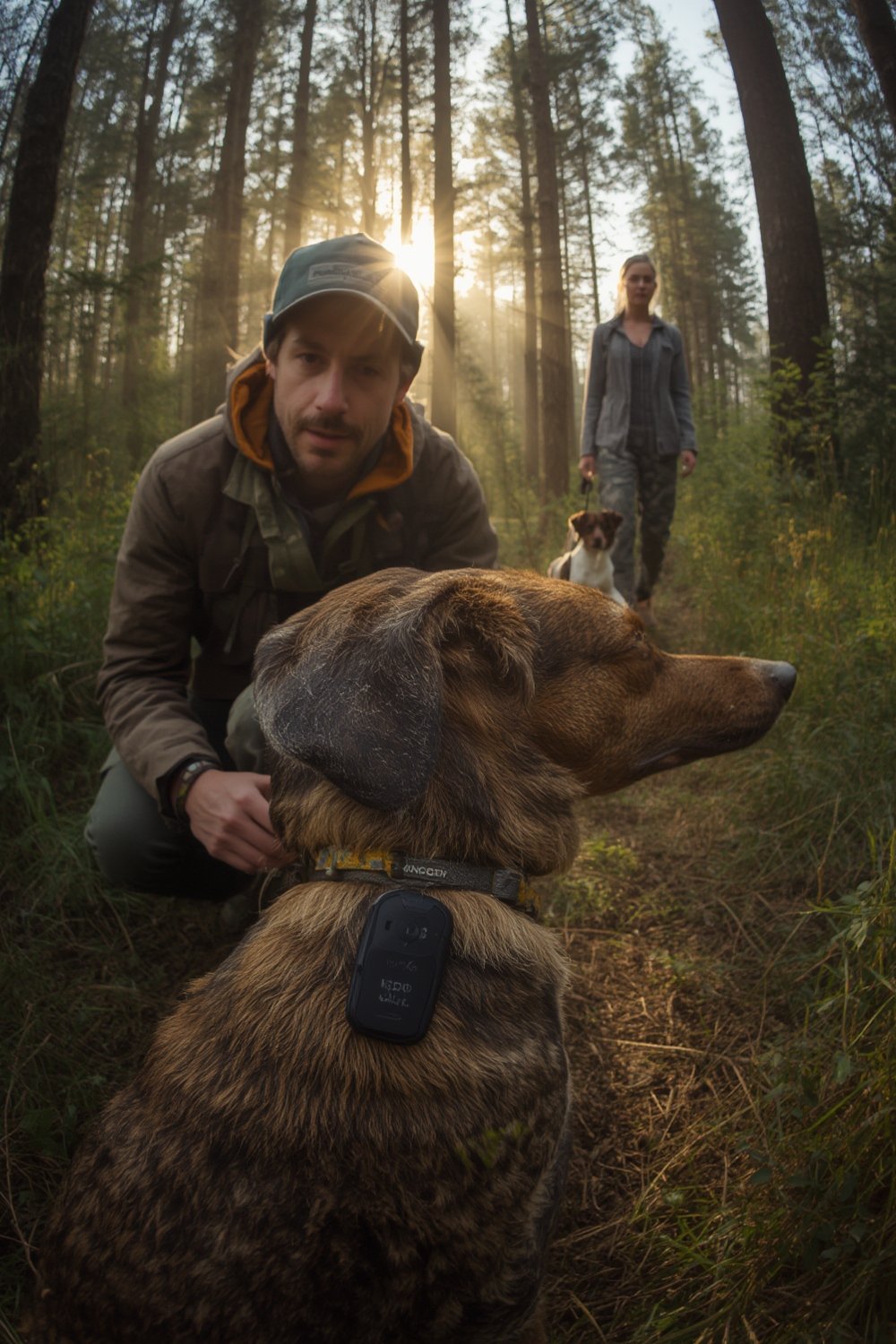
- Satellite/handheld direct link: Systems like Garmin Alpha and Aorkuler connect to handheld receivers using radio frequency or satellite, not depending on cell coverage. Best for hunters, hikers, and remote properties.
- Standalone GPS with onboard logging: These store the dog’s location data for later sync, but provide little real-time value if the dog leaves your line of sight. Not common, fading in 2024.
- Bluetooth crowd-sourced (Apple Find My): Devices like Apple AirTag rely on nearby iPhones or other Apple devices to relay their location. Fantastic battery life and size, but hopeless off-grid.
For example, Aorkuler and Garmin work in “zero-bar areas,” making them preferred for the backcountry. Apple AirTag excels in city parks or neighborhoods crowded with iPhones, but has poor range in rural or open country. (Treeline Review)
Top-rated models (deep specs and price comparison)
Here’s a side-by-side view of standout choices for a GPS dog collar without subscription—including specs, weight, pricing, and ideal use case:
| Model | Rating | Price | Battery Life | Weight | Waterproof | Best For |
|---|---|---|---|---|---|---|
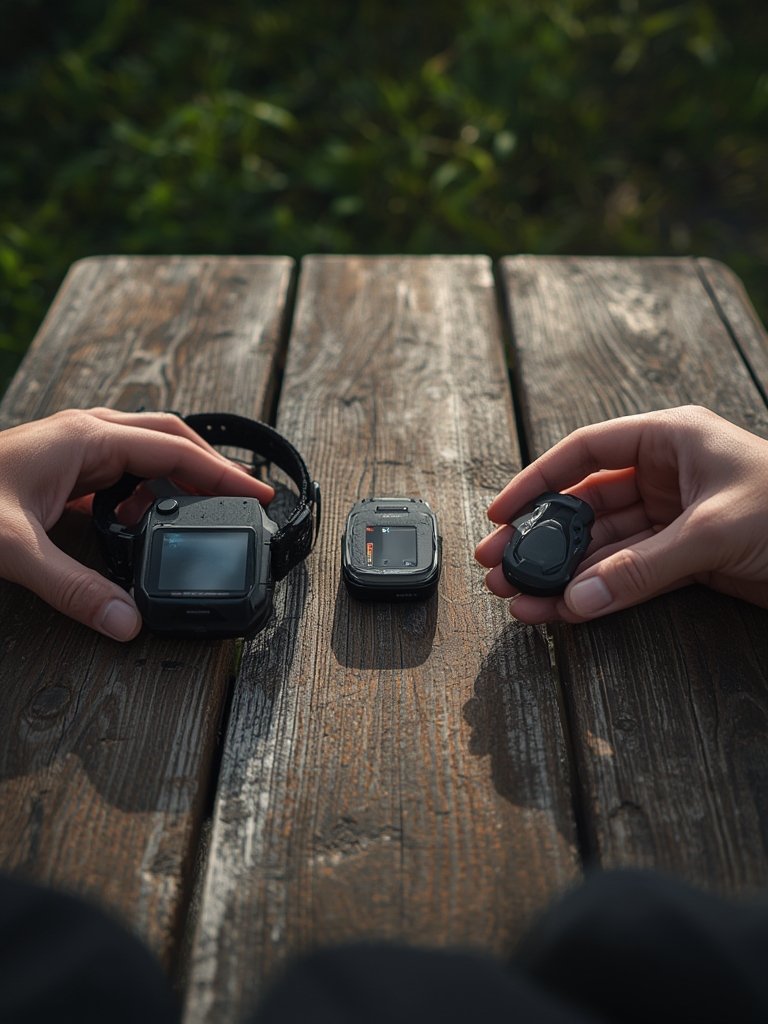
| Aorkuler Dog GPS 2 | 4.4/5 | $249.99 | Not listed | Not listed | Yes | Hiking, adventure, big yards |
| PitPat GPS | 4.3/5 | $215.99 | 2–3 weeks | 30g | Yes | Urban, small/busy dogs |
| Garmin Alpha 200i/TT15 | 4.6/5 | $700+ | Not listed | “Chunky” (>8oz) |
IPX7/1ATM | Serious outdoor/hunting |
| Garmin Alpha T 20 | N/A | $300+ | 2.8 days | 8.4oz | 1 ATM | Rural, off-grid |
| Apple AirTag | N/A | $29 | 365 days | 0.4oz | Splash-resistant | Budget/urban |
Sources: Aorkuler research | Treeline Review | Smart Bark
Real-world performance: hunting and backcountry (no-sub vs subscription)
If you want a dog tracker for hunting or true off-grid reliability, choose carefully. No-subscription collars like the Garmin Alpha 200i/TT15 series or Aorkuler Dog GPS Tracker 2 outperform cell-connected, subscription trackers in “zero-bar” areas. They work directly through satellite/handheld radio. Subscription models (like Whistle, Halo, Fi) struggle or stop updating entirely off-grid.
In recent field tests, the Garmin Alpha T 20 and Alpha 200i/TT15 consistently delivered accurate tracking even in remote woods or hills, while subscription cell models lost coverage and stopped reporting location. (Treeline Review)
Accuracy, range, and reliability — common user pain points
Even the best GPS dog collar without subscription isn’t perfect. Users report several recurring issues:
- Bluetooth-only trackers (AirTag): Have near useless range in rural/outdoor settings. No phone network = no updates. Useful for finding a dog lost in dense suburbia or a backyard, but not in fields or woods.
- Discontinued products/apps: PetFon, once a top contender, lost all value as its app support vanished. No app = no tracking. (Aorkuler research)
- Device bulk for small breeds: Garmin Alpha collars are “chunky” and overwhelming for dogs under 30lbs.
- Feature gaps for budget units: Some models like PitPat lack key functions—no geofencing or trip logs/location history.
Rural property owners and hunters consistently highlight these as “deal-breakers” if not checked before buying. For incident proofing, review actual user feedback and warranty details before purchase.
Battery life & charging — realistic expectations and which units last longest
Battery life varies dramatically based on the category:
- Bluetooth crowd-sourced: Apple AirTag lasts about 365 days with a CR2032 coin cell—replace, not recharge.
- No-sub GPS (PitPat GPS): Up to 2–3 weeks per charge (small, urban priority).
- Satellite/handheld (Garmin T20): About 2.8 days. Shorter, but intended for hunting stints or major outdoor use.
Fit, weight, and safety for small dogs (what really works)
Lightweight is everything for toy and small breeds. Garmin Alpha collars, at over 8oz, are too bulky for most dogs under 30lbs. PitPat GPS (30g) is clearly positioned for small or very active urban pups. Apple AirTag, at 0.4oz, sits nearly invisible on a collar—just ensure you get a dog-safe, robust tag holder.
Standard advice: If your dog is smaller than a loaf of bread, avoid traditional “hunting” GPS collars. Attachments that fit existing collars are safer and more comfortable for little necks.
Looking for more gear designed for your breed? See our guide on cooling vests for dogs.
Apple Find My (AirTag) — limitations and when it’s appropriate
The apple find my dog collar setup is a great cheap “just in case” for urban pet owners. But know its limits:
- Best for: Dogs that never roam out of city neighborhoods or dense suburbs—needs lots of nearby iPhones to report position.
- Not good for: Hiking, field, hunting, rural use, or any water-heavy environments (splash-resistant is not waterproof).
- Pro tip: Always pair an AirTag with a breakaway collar and consider a backup like PitPat for longer hikes or travel.
No monthly fee and year-long battery are great, but don’t rely on it for “real” off-leash or off-grid adventures.
Durability, support, and long-term risks (discontinued apps & lifespan)
No subscription means you own the hardware—but you still depend on device makers to keep apps and servers running. PetFon infamously scored 3.3/5, then left buyers stranded as soon as support stopped and the app was removed. Source.
Always check: Warranty terms, replacement availability, and history of product support. Top brands like Garmin have multi-year support records; newcomers are riskier.
For more on caring for your dog day-to-day, check our dog daycare guide.
Buying checklist — 10 questions to answer before you buy
Before you pick your next GPS dog collar without subscription, run through this clog-free list:
- Will you need tracking in zero cell areas (satellite/handheld), or is Bluetooth range enough?
- How much does your dog weigh? PitPat = 30g, fits almost any dog; Garmin = chunky, recommended for medium-large breeds.
- Do you prefer a battery you can swap (AirTag) or will weekly recharging (PitPat, Garmin) frustrate you?
- Is it actually waterproof or just water resistant?
- Is geofencing/location history essential for you, or just “nice to have”?
- Will you need a separate handset (Garmin, Aorkuler) or just your phone?
- Are collar accessories included, or will they add extra costs?
- What is the published warranty/return policy?
- Is the manufacturer likely to discontinue support/app (like PetFon)?
- Does the tracker fit your intended use—urban, hunting, hiking, or yard safety?
For even more pet care checklists and buying tips, visit our automatic litter box checklist or beginner reptile guide.
Three important user questions competitors miss (content gap opportunities)
- 1. Head-to-head rural accuracy: Virtually no sites compare performance of no-sub vs subscription collars in real, out-of-coverage tests. If this matters to you, look for owner field reports rather than just product specs.
- 2. Long-term durability and total cost: There’s rarely clarity on how long a unit will really last after year one, or what a replacement battery/collar actually costs. Seek out multi-year owner reviews and warranty experiences.
- 3. Breed fit/real-world water safety for small dogs: Fewer brands publish waterproof/IP ratings for tiny collars, or specify breeds and sizes they’ve actually tested.
If you want to dig deeper or run your own comparison, visit the Research Report on GPS Dog Collars Without Subscription Fees.
What vets and industry reviewers recommend (safety & effectiveness summary)
Vets don’t publish brand-level endorsements for GPS collars, but top reviewers agree on a few key points:
- Fit and weight matter most for small breeds. PitPat is safe and light (30g), AirTag is light but offers less resilience.
- Satellite/handheld units are robust for hunting but should not be forced on tiny dogs.
- Beware of unsupported, budget brands—discontinued apps render collars useless, as seen with PetFon.
For dog wellness basics and emergencies, reference our complete guide to dog care.

FAQ & quick recommendations
Is Apple AirTag a good GPS dog collar without subscription for hunting or rural use?
No. AirTag is not a true GPS device. It works via Bluetooth and the Apple Find My network—a great urban lost-and-found tag, but its range and accuracy fail in rural areas without dense iPhone presence.
Which no-subscription GPS dog collar lasts longest between charges?
Apple AirTag offers the longest stated battery (365 days, CR2032 coin cell), while PitPat provides 2–3 weeks per charge. Satellite/handheld units (like Garmin T20) offer multi-day life, but require more frequent charging between trips.
What happens if a manufacturer discontinues its GPS dog tracker app?
The tracker becomes essentially useless. Always check product age/support, and favor companies with proven support records. PetFon’s sudden discontinuation left many buyers stranded. Buy only from brands that actively update and support their apps.
Which GPS dog collar without subscription is best for small breeds?
PitPat (30g) is the safest and lightest reliable GPS tracker. Apple AirTag is even lighter, but lacks tracking depth and real outdoor reliability compared to dedicated units.
Are waterproof ratings important for GPS dog trackers?
Yes, especially for outdoor or active dogs. Check for clear ratings (IPX7/1ATM for Garmin) rather than vague “splash-resistance” (AirTag). Wet conditions quickly reveal durability gaps.