

Cat anxiety calming diffuser products are fast becoming a go-to option for cat parents who want to ease stress and tension at home—especially in multi-cat households. But do they really work? Here’s what the latest science and real-world results actually show, and how to use them wisely to help your cats (without wasting money or time).
Key Takeaways
- Modern pheromone diffusers can moderately reduce cat anxiety and tension, but not every cat responds—and results are rarely dramatic.
- Choosing the right format (diffuser, spray, collar, or gel) and monitoring behavior changes is crucial for success, especially in multi-cat homes.
- Real benefits depend on pairing diffusers with environment or behavior tweaks, realistic expectations, and a well-designed home trial.
- What Cat Anxiety Calming Diffusers Actually Do
- How to Use Cat Anxiety Calming Diffusers Effectively
- Real-World Pitfalls, Side Effects, and Evidence-Based Product Comparisons
- Conclusion and CTA
- FAQ
What Cat Anxiety Calming Diffusers Actually Do
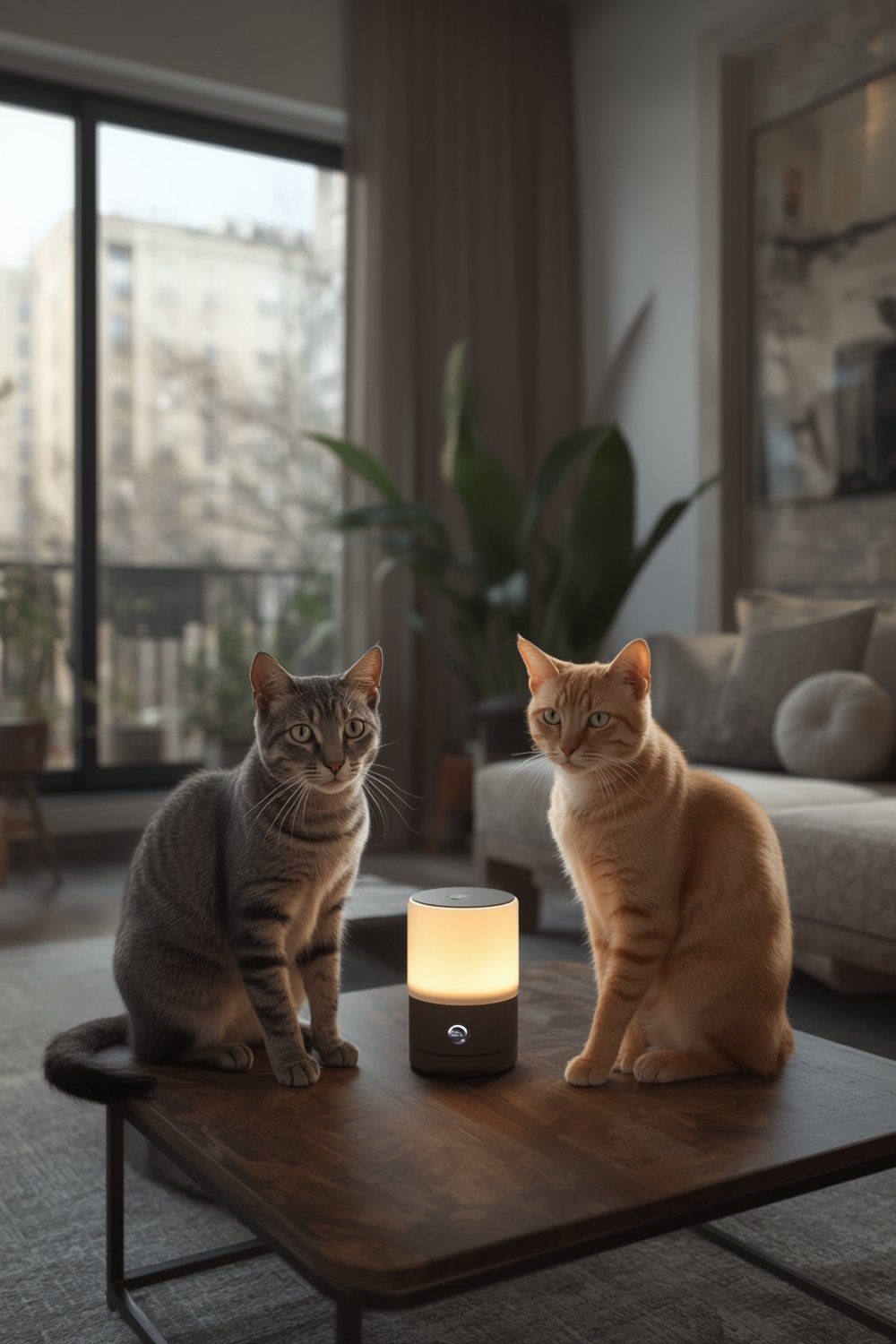
Cat anxiety calming diffusers, plugs, gels, and sprays contain synthetic pheromones that mimic the signals cats use naturally to mark safe territory. When released in your home, these pheromones can help reduce stress-related behaviors—such as hiding, spraying, and inter-cat aggression—by sending “safe” chemical cues in the air.
According to recent peer-reviewed studies (Gel vs. powered diffuser RCT, 2024; Optimum collar RCT, 2024), most high-quality products use analogues of the F3 facial pheromone complex (“friendly” signals cats rub on their world). Both electric and gel-based diffusers achieved significant, though moderate, improvements in common anxiety symptoms by day 60—and some cats improved within two weeks.
That said, not every cat responds, and effects are heavily dependent on the environment, specific stressors, and correct product matching. Placebo and “time” effects also play a big role, meaning improvement seen may sometimes happen even without the calmer.
How to Use Cat Anxiety Calming Diffusers Effectively
For best results, don’t just plug and pray. Here’s an actionable plan, from picking a product to tracking your progress:
- Choose the right format for your household and stress problem:
- Plug-in or gel diffusers: Best for ongoing anxiety, multi-cat tension, or territorial spraying. Go for a Zenifel Gel (e.g., Zenifel) if you want fewer refills and lower monthly cost, or electric for widest availability.
- Sprays: Ideal for targeted, short-term stress (vet visits, carriers, travel, or territorial scuffles).
- Collars: Provide continuous, personal calming but are less popular for indoor-only cats unless they won’t tolerate a plug-in or gel.
- Install correctly: For plug-ins, pick an open area away from litter boxes, food, or windows. One diffuser typically covers 50-70 m²—add more for larger homes or multiple floors. Gels can be placed on shelves or counters.
- Be patient and consistent: Keep the device running 24/7 for at least 4-8 weeks. In trials, the earliest behavioral improvement often shows at day 15, but you need 60 days for a fair assessment (source).
- Monitor changes: Use a simple checklist to track hiding, aggression, marking, and anxiety symptoms weekly. (You can reference up to 25 common behaviors used in clinical studies.)
- Combine with environment changes: Diffusers often work best alongside basic behavioral enrichment and management:
- Provide multiple litter boxes, scratchers, vertical spaces, and escape routes. See the best interactive cat toys guide for indoor enrichment.
- Clean “marked” areas with enzyme cleaners before starting the diffuser for maximum effect.
- After 60 days, assess: If key behaviors have not improved, try a different format, switch brands, or escalate to your vet or a certified cat behaviorist. Persistent spraying, aggression, or distress can have medical roots—see the cat urgent care guide for red flags.
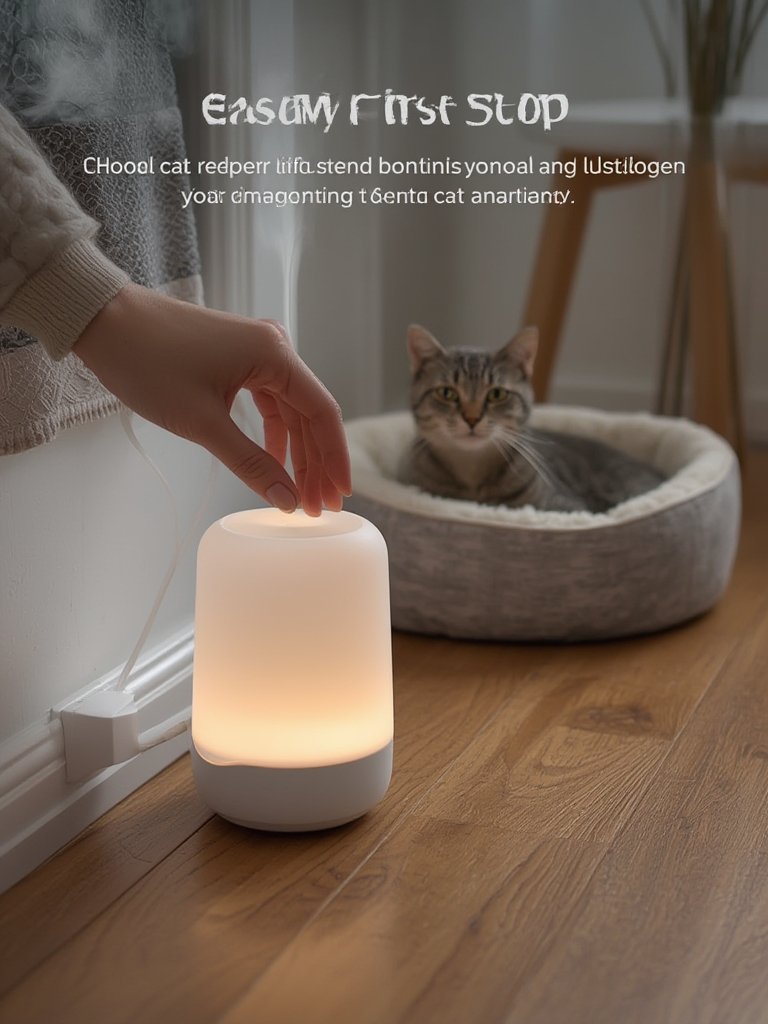
Budget tip: Many gel alternatives last twice as long per refill and are 10-30% cheaper per month than premium electric refills. Compare options in our focused product table below before you buy.
Real-World Pitfalls, Side Effects, and Evidence-Based Product Comparisons
Despite the hope around cat anxiety calming diffusers, real-world results are mixed. Here’s what the research and reviewers say you must watch out for:
- No effect for many cats: Up to half of all owners report little to no improvement. This isn’t poor product quality—rather, some cats are non-responders and stress behavior sometimes declines with time alone (Feliway review).
- Cost and refill frustration: Premium brands like Feliway demand higher prices, and monthly refills add up. Cheaper gel alternatives cut costs by lasting up to 60 days per insert.
- Device and logistics problems: Users frequently report plug-ins feeling hot, running out early, or malfunctioning, while gels may be less obtrusive but require placing out of reach.
- Side effects and adverse reactions: These are rare, but collars sometimes cause minor skin irritation or hair thinning at the contact point, with events reported in 7–8% while wearing a collar—about the same as with plain control collars (RCT data).
- Unrealistic expectations: Diffusers help most when paired with changes to your home setup—not as stand-alone fixes. If you ignore environmental triggers, results may be poor.
- Product format confusion: Sprays are for acute events; diffusers are for chronic, environmental tension; collars are better for hard-to-help individual cats or for those who can’t access a plugged-in area.
See a concrete comparison table below for current (2024) product specs and what to expect per month:
| Product | Main Active Ingredient | Format | Duration per Unit | Average Monthly Cost | Owner-Reported Effect |
|---|---|---|---|---|---|
| Feliway Classic | F3 facial pheromone analogue | Powered diffuser | ~30 days/refill | High | Majority see moderate improvement; not universal |
| Feliway Optimum | F3 blends (“Optimum” complex) | Powered diffuser/collar | ~30 days/refill (collar 30 days) | Highest | Twice the response rate of placebo (per RCT) |
| Zenifel Gel (Virbac) | F3 facial pheromone | Gel | 60 days/unit | Low–Moderate | Same efficacy as electric, lower cost/refill |
| Comfort Zone or generics | F3 analogue | Powered diffuser | ~30 days/refill | Moderate | Similar to Feliway in meta-analyses |
Looking for odor control or other environmental fixes? Try pairing your diffuser with a self-cleaning litter box or low-dust cat litter—these address some root stressors that diffusers alone can’t change.
Conclusion and CTA
To recap: evidence shows most major cat anxiety calming diffuser brands lead to moderate improvements in stress and problem behaviors, especially when matched to the right format and combined with home tweaks. They aren’t miracle fixes, and real-world results vary. Invest wisely: run a real home trial, review your cat’s progress at 30 to 60 days, and don’t hesitate to try alternatives or consult a vet if needed.
Ready to start a home trial and track changes the right way? Compare leading options in our in-depth product table above, and get more actionable tips in our interactive cat toy guide or cat health care guide. Better results start when you combine technology, environment, and honest monitoring.
FAQ
How long should I give a cat anxiety calming diffuser to work?
Most studies and real-world trials recommend a minimum of 4-8 weeks of continuous use. Some cats show improvement by day 15, but it may take two months to see the full effect. Monitor weekly using a behavior checklist.
Are diffusers better than sprays or collars for multi-cat homes?
For chronic stress and inter-cat tension, diffusers work best for general, ambient calming across a room or apartment. Sprays are ideal for short-term, targeted use. Collars help only if individual cats need constant coverage. For most multi-cat households, a combination (diffuser + spray) works best.
Are there any side effects or safety concerns with pheromone diffusers?
Serious adverse reactions are very rare. Occasional mild irritation may occur with collars (about 7–8%). A minority of cats may ignore, avoid, or initially react to the scent, but most products are well tolerated. Monitor closely when first used.
What can I do if the diffuser doesn’t work?
If there’s no improvement after a full 60-day trial, first check diffuser placement and refill status. Consider switching to another format or brand (gel, spray, or collar). Always combine with home tweaks (extra litter boxes, more play, vertical space). Persistent stress or soiling? Consult your vet to rule out medical issues. Check out our cat care guide for more troubleshooting tips.
Are gel pheromone diffusers as effective as electric diffusers?
Recent studies show long-acting gel diffusers (like Zenifel) are equally effective as powered electric versions over 60 days—often at lower cost and with less refill hassle. Main differences are in device placement and flexibility.