

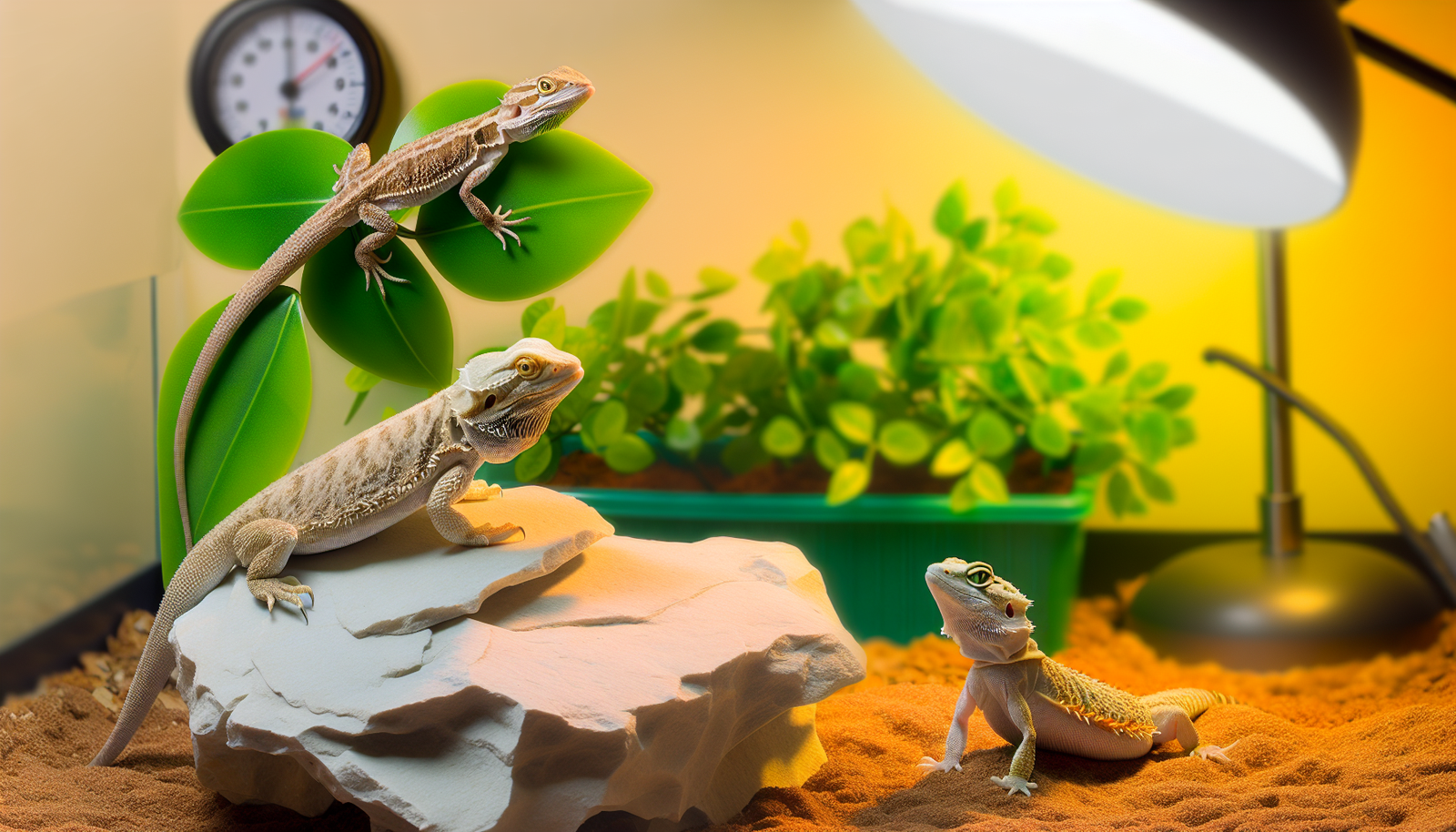
Choosing a first reptile means balancing time, space and budget. This article compares bearded dragons and crested geckos side by side, explaining daily care, enclosure needs, diet, handling and costs. By the end you will understand which species better matches your lifestyle and how to set up a safe, healthy habitat for a happy beginner pet.
How to judge ease of care for a pet reptile
Time and daily routines
For any beginner reptile keeper, understanding the daily and weekly commitment is essential. “Ease of care” includes the average number of minutes needed per day for feeding and spot cleaning, and additional time for weekly deep cleaning, preparing food, and monitoring environment settings. Reptiles that require only a few simple daily tasks, like basic feeding or water changes (around 5–10 minutes/day), are often easier for beginners than those with complex feeding or cleaning requirements. Weekly routines—like full substrate changes or disinfecting enclosure décor—can also be time-consuming, so reptiles with minimal mess and low-maintenance housing are preferable.
Equipment complexity
How involved is the initial setup? A beginner-friendly reptile needs a straightforward enclosure, with minimal special equipment. Core hardware may include a tank or terrarium, heat source, thermometer, lighting (UVB or not depending on species), humidity monitoring, and substrate. Some reptiles, such as those requiring both UVB and adjustable heat gradients, plus regular misting or fogging, involve complex setups. Others thrive with simple setups needing only room-temperature enclosures and basic hides. The more automatic and hands-off the system (like thermostats or self-regulating humidity), the simpler it is for a beginner.
Space and enclosure size
Ease of care also relates to available space. Some reptiles do well in small tanks (<60 x 45 cm or <24 x 18 inches), while others require larger or taller enclosures to thrive. Arboreal (tree-dwelling) species may need vertical space, while terrestrial need floor space. Meeting the minimum recommended enclosure size is crucial for stress reduction and healthy activity, so compact species are often lighter commitments.
Diet complexity
A reptile that accepts safe, commercial powdered diets or pre-prepared foods is easier for most beginners than one needing live insects, rodents, or frequent variety. Simple diets reduce the need for shopping, food prep, and managing live feeders, as well as decreasing food costs and mess.
Health risk and vet access
Beginner reptiles should be resilient to common husbandry mistakes, not prone to costly health problems, and not require highly specialized veterinary care. Some species are susceptible to diseases (like metabolic bone disease or respiratory infections) if their complex needs aren’t met, potentially leading to frequent or expensive vet visits with limited local specialist availability.
Temperament and handling
Easy reptiles are docile, tolerant of regular handling, and show low stress or aggression toward people, especially children. Skittish, defensive or fragile species are more challenging for beginners or families.
Checklist for later comparison:
- How much daily/weekly time does care require?
- Is the equipment setup simple or complex?
- How much enclosure space is needed?
- Is the diet simple or varied; live or prepared foods?
- Are they hardy or prone to health issues? Is vet care accessible?
- Is the temperament docile and handling easy?
Bearded dragon care essentials
Species overview
Bearded dragons (Pogona vitticeps) are known for their gentle temperament and ease of handling, making them one of the most popular pet reptiles for beginners and families. Adult beardies typically reach 45–60 cm (18–24 inches) in length and have an average lifespan of 8–12 years when properly cared for. Their tolerant, interactive nature supports frequent handling and observation.
Enclosure requirements
- Minimum enclosure (juvenile): 75x30x30 cm (30x12x12 inches)
- Minimum enclosure (adult): 120x60x60 cm (4x2x2 feet); bigger is better for enrichment
- Substrate (safe): tile, reptile carpet, paper towels (for young dragons), or washed play sand (for adults, spot cleaned regularly)
- Substrate (unsafe): calcium sand, walnut shells, wood chips, or any loose substrate for juveniles (risk of impaction)
- Furnishings: provide at least one elevated basking branch or rock, 1–2 secure hides, and objects for climbing/enrichment
Temperature and lighting
- Daytime basking spot: 38–42°C (100–108°F)
- Cool side: 24–29°C (75–85°F)
- Nighttime: 18–24°C (65–75°F)
- UVB: linear 10–12% UVB tube bulb (T5 HO preferred) spanning at least 2/3 of tank, 30–38 cm (12–15″) from basking zone, replaced every 6–12 months
- Photoperiod: 12–14 hours daylight per day, lights off at night
Diet and supplementation
- Juveniles: 70% insects (crickets, dubia roaches, BSFL), 30% greens/veg
- Adults: 30% insects, 70% greens/veg (collard greens, dandelion, squash, bell pepper); avoid spinach, iceberg lettuce, avocado
- Gut-load insects 24h before feeding; dust with plain calcium (no D3) 5x/week, calcium with D3 2x/week, multivitamin 1x/week
Handling and socialization
- Begin by gently hand-feeding and letting the dragon acclimate to your scent
- Start with short (5–10 min) handling sessions, increasing frequency and duration as confidence builds; aim for 3–5x per week
- Always support body; supervise children; avoid squeezing or sudden movements
Common health issues and prevention
- Metabolic Bone Disease: prevent with proper UVB, calcium/D3, varied diet; signs include trembling, bent limbs (see vet promptly)
- Impaction: avoid loose or unsafe substrates, don’t offer large prey
- Respiratory infections: maintain correct temps/humidity, watch for wheezing, mucus; see vet if suspected
- Parasites: routine fecal checks, cleanliness
Maintenance schedule
- Daily: remove uneaten food, spot clean waste, check temps/humidity, provide fresh water
- Weekly: sanitize food/water bowls, deep clean sections of enclosure
- Monthly: full substrate change, disinfect entire enclosure and décor, check UVB bulb age
Estimated costs
- Setup: $300–$600 USD (enclosure, lighting, heating, furnishings drive price)
- Ongoing monthly: $40–$80 (live insects, greens, supplements, substrate replacement, electricity)
Crested gecko care essentials
Species overview:
Crested geckos are gentle, primarily nocturnal lizards originating from New Caledonia. They reach a manageable adult size of about 20 cm (8 inches), including tail, and usually live 15–20 years when cared for properly. Their calm, tolerant temperament makes them suitable for beginners and families seeking a low-stress reptile companion.
Enclosure requirements:
Crested geckos are arboreal, so enclosure height matters more than width. The minimum recommended size for one adult is 45 x 45 x 60 cm (18 x 18 x 24 inches). Glass terrariums with front-open doors and ventilation strips are ideal. Use safe, moisture-retentive substrates like coconut fiber, organic topsoil, or paper towels for ease of cleaning. Add plenty of vertical climbing branches, sturdy live or artificial plants, and hides at multiple heights to allow exercise and security.
Temperature and humidity:
Crested geckos thrive at moderate temperatures: aim for 22–26°C (72–78°F) by day and 18–22°C (65–72°F) at night. Avoid heat sources above 28°C (82°F) as crested geckos overheat easily. Maintain relative humidity between 50–70%, with daily spraying to simulate dew—mist heavily in the evening, lightly in the morning. Occasional spikes to 80% are okay but ensure the enclosure dries out between mistings to prevent mold and respiratory issues. Good airflow is essential; never seal the top completely.
Lighting and UVB:
Unlike some diurnal reptiles, crested geckos do not require strong UVB lighting. A regular day/night light cycle is sufficient. Optional use of a low-output UVB strip (<5%) can support optimum calcium metabolism; if used, mount overhead with fixtures shielded to avoid direct basking and prevent photophobia.
Diet and supplementation:
Feed commercial powdered crested gecko diet mixed with water (to a ketchup-like consistency) 3–4 times weekly. Place food in shallow dishes elevated in the enclosure. Offer live insects like crickets or dubia roaches once per week, dusted with pure calcium powder. Never rely only on insects. Watch for signs of nutritional imbalance (weak grip, curled limbs). Replace uneaten food daily for hygiene.
Handling and behavior:
Introduce handling gradually—start with gentle, brief interactions, allowing your gecko to move freely from hand to hand. Avoid force or restraint. Most tolerate short handling sessions several times per week but may stress if overheld. Crested geckos may drop their tails (autotomy) if frightened—lost tails do not regenerate but cause no health problems; adapt enclosure furnishings to prevent falls.
Common health issues and prevention:
Shedding difficulties (“stuck shed”) often resolve with humidity tweaks. Use a moist hide or increase misting during shed cycles. Respiratory problems stem from poor ventilation or chronically high humidity; enhance airflow and reduce misting. Wild-caught or poorly sourced geckos risk parasite infestations—quarantine all new arrivals and consult a reptile veterinarian for diagnosis and treatment.
Maintenance schedule:
- Daily: Mist enclosure, replace food, spot-clean waste.
- Weekly: Deep clean water and food bowls, prune plants, check for mold.
- Monthly: Replace all substrate; sanitize enclosure furnishings.
Expect a setup cost of $150–$300 USD (or equivalent), ongoing monthly costs around $20–$35 USD, primarily for diet and substrate. Crested gecko care is less equipment-intensive and forgiving of minor lapses, making it one of the easiest reptiles for beginners according to the previously defined criteria.
Comparing ease of care and making the right choice
Side by side analysis
- Time commitment:
- Bearded dragon: Daily feeding (including live insects), more frequent spot cleaning, weekly fresh salads and ongoing equipment monitoring.
- Crested gecko: Mist enclosure daily, feed every 2–3 days, less handling/interaction required.
- Equipment complexity:
- Bearded dragon: Heat lamp (basking 38–42°C/100–107°F), dedicated UVB tubes, large enclosures, with extra thermometers.
- Crested gecko: Low heat needs, simple ambient temps, sometimes low-level UVB, emphasis on humidity and vertical space.
- Housing footprint:
- Bearded dragon: Large horizontal tank, minimum 120cm/4ft wide.
- Crested gecko: Compact vertical terrarium, 45x45x60 cm (18x18x24 in) sufficient for one adult.
- Diet complexity:
- Bearded dragon: Live feeder insects, varied salad preparation, calcium/vitamin supplements.
- Crested gecko: Powdered diets with occasional treats, low prep.
- Handling friendliness:
- Bearded dragon: Often affectionate and tolerant—ideal for hands-on care.
- Crested gecko: Tolerates gentle, infrequent handling; more likely to jump or drop tail if stressed.
- Veterinary considerations:
- Bearded dragon: Prone to impaction, metabolic bone disease if not closely managed; reptile vets may be needed.
- Crested gecko: Fewer common issues if humidity and diet are maintained; simpler supplementation.
Pros and cons
- Bearded Dragon Pros:
- Highly interactive and friendly, suitable for handling.
- Daytime activity fits most schedules.
- Visually engaging and expressive.
- Bearded Dragon Cons:
- Larger space, higher equipment investment.
- More complex diets; insect care required.
- Heat/UVB needs critical and costly.
- Crested Gecko Pros:
- Space-saving setups, less demanding equipment.
- Less frequent feeding/cleaning; simple diet.
- Lower risk of serious health issues with basics covered.
- Crested Gecko Cons:
- Less tolerant of frequent handling.
- Nocturnal—less interactive at typical household hours.
- Humidity must be closely monitored.
Cost comparison
- Bearded dragon: Setup $300–$600; monthly $40–$60 (food, power, bulbs).
- Crested gecko: Setup $150–$350; monthly $10–$25.
- Long-term, crested geckos are usually cheaper due to simpler diet, smaller enclosures and lower energy use.
Who each species is best for
- The busy professional in a small space: Crested gecko—minimal noise, small footprint, less daily work.
- Family with kids seeking interaction: Bearded dragon—robust, good for supervised handling.
- Apartment owners: Any, but crested geckos are quieter and take less space.
- Hobbyist wanting hands-on experience: Bearded dragon—suits those wanting a pet they can regularly handle.
Decision checklist
- How much space can you dedicate long-term?
- Do you want daytime interaction or a pet that’s fine unseen?
- Are you able to source and handle live feeder insects?
- Is humidity maintenance or daily misting a dealbreaker?
- What is your realistic monthly pet budget?
For beginners struggling to decide: Prioritize your lifestyle fit over appearance. If you value minimal work and a compact habitat, crested gecko is easiest. For daily interaction and hands-on care, choose a bearded dragon. Match your expectations to your daily routine for success.
Setup checklist maintenance and troubleshooting
Pre-purchase checklist
- Bearded Dragon:
- Enclosure (40–75 gallon glass tank, front-opening preferred)
- Full-spectrum UVB fluorescent bulb (10–12%, T5 HO fixture; brand ex: Arcadia ProT5)
- Heat lamp (basking spot, ceramic sockets, dimmer recommended)
- Digital thermometer and separate temp gun
- Humidity gauge
- Tile, paper towels, or solid substrate (avoid loose sand for juveniles)
- Hides, climbing branches, basking rocks/platforms
- Shallow water dish, food dishes
- Calcium powder/D3 supplement, multivitamin
- Live feeder insects, leafy greens, veggie prep tools
- First aid: Reptile-safe antiseptic (Betadine), electrolyte solution
- Crested Gecko:
- Vertical glass terrarium (minimum 18x18x24”, Exo Terra or Zoo Med)
- Low-wattage LED or fluorescent lighting (no strong UVB unless advised)
- Heat mat or ceramic heater if room drops below 68°F; thermostat
- Digital thermometer/hygrometer combo
- Organic topsoil or paper towel substrate
- Multiple hides, cork bark, artificial/vines for climbing
- Misting bottle or automatic mister
- Insect feeding ledge, shallow water dish
- Commercial gecko diet (Repashy, Pangea), live small insects
- First aid: Styptic powder, diluted chlorhexidine
Setup timeline
- Set up and decorate enclosure 3–7 days before arriving animal
- Run heating and lighting for 24–72 hours, confirming stable temperatures/humidity
- Stock first meals and clean all dishes/toys
- Bring reptile home; avoid handling for 3–7 days, monitor for stress
- Check temperatures/humidity morning and night during acclimation week
Daily, weekly, and monthly routines
- Bearded Dragon:
- Daily: Feed (greens AM, insects PM), fresh water, spot clean waste
- Weekly: Deep clean water/food bowls, rotate decor, weigh pet
- Monthly: Full enclosure clean, substrate change, check for loose bulbs
- Replace UVB bulb every 6–12 months (per brand)
- Crested Gecko:
- Daily: Mist enclosure, feed commercial diet, spot clean droppings
- Weekly: Offer insects, wash feeding ledges, examine gecko (tail, toes)
- Monthly: Replace substrate, deep clean glass/decor
- Replace bulbs as needed
Common problems and troubleshooting
- Refusal to eat: Verify correct temps/humidity, offer preferred foods, reduce handling
- Shedding issues (especially crested geckos): Mist more, add humidity/hides
- Loose/abnormal stools: Check diet and clean substrate, monitor hydration
- Lethargy: Check temps, UVB function; persistent lethargy is a red-flag
- Respiratory signs (bubbles, wheezing): Immediate vet visit recommended
- Red flags: Swollen limbs, sunken eyes, severe wounds, sudden drastic weight loss—all need vet care
Record keeping and long term care
- Use a care log: Record sheds, weight, feeding, major cleanings, health notes
- Checkups: Annual vet visits and fecal parasite tests recommended for both species
- Track equipment replacements, especially bulbs and supplements
Responsible reptile keeping means staying curious and prepared for new challenges. Keeping consistent records, following checklists, and seeking expert resources will set you and your pet up for success. Next, deep dive into reputable care guides, join species-specific online forums, and locate an experienced reptile vet before issues arise.
Conclusions
Both bearded dragons and crested geckos make excellent beginner reptiles but in different ways. Bearded dragons are interactive and forgiving if proper UVB, heat and diet are provided, while crested geckos require less heating but more humidity control and rely on prepared diets. Choose based on your space, schedule and willingness to manage species-specific needs, then follow a clear setup and maintenance plan.